
The US military downed four Iranian drones above the Strait of Hormuz while simultaneously destroying radar installations at Qeshm and Goruk. The Iranians retaliated by attacking bases in the Gulf while also targeting four oil tankers. Air defenses were triggered in Kuwait. Bahrainian sirens rang out. And, three months into the conflict, any possibility for a ceasefire agreement appears distant.
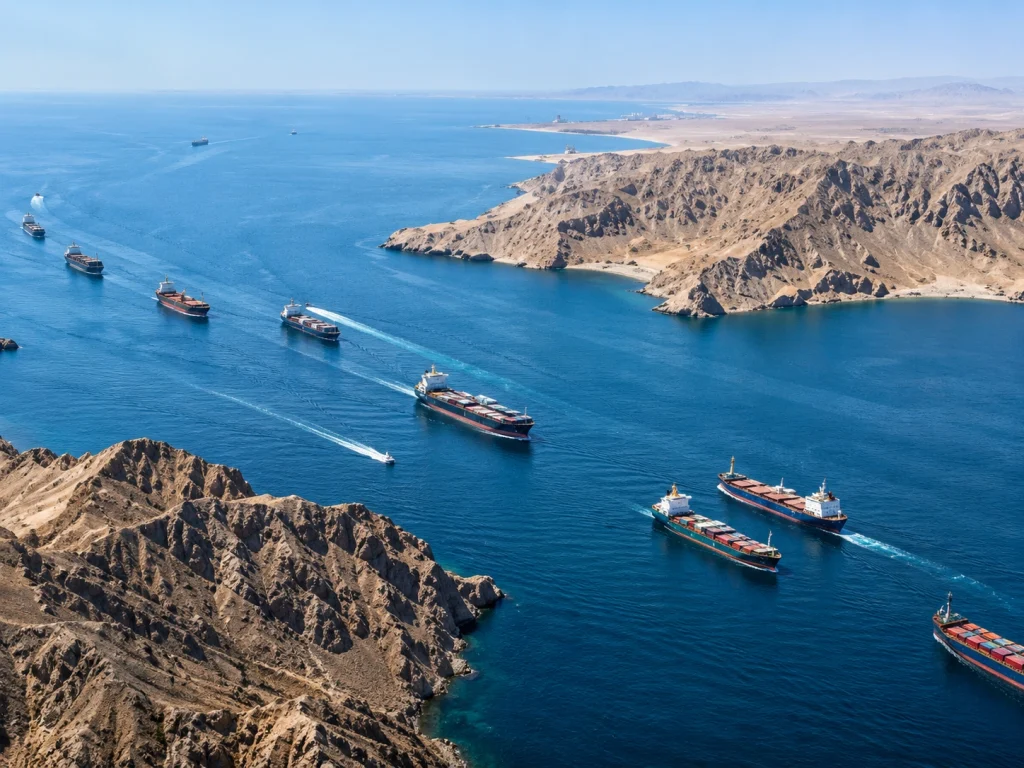
DUBAI/WASHINGTON: US forces struck Iranian coastal radar sites on Saturday after intercepting four Iranian drones moving toward American shipping vessels near the Strait of Hormuz the latest exchange in a war now entering its third month with no resolution in sight despite ongoing negotiations between Washington and Tehran. US Central Command confirmed strikes against Iranian surveillance installations at Goruk and Qeshm Island, both positioned directly on the strait. Iran responded by firing on four tankers attempting to cross without Iranian authorisation and launching missiles at US military bases across the Gulf region. The Strait of Hormuz escalation now places one of the world’s most critical oil corridors at the centre of a conflict that neither side has yet found the terms to end.
Trump faces mounting domestic political pressure over rising fuel prices a direct consequence of the Strait of Hormuz escalation that his war with Iran triggered by choking one of the world’s most critical oil routes. He has stated publicly that he wants to end the conflict, even as his own assessment reveals that Iran retains approximately 21 to 22 percent of its original missile and drone capacity enough to sustain the fight considerably longer.
The Hormuz Blockade – How the Rest of the World Pays for It
The conflict between the US and Iran around the Strait of Hormuz is not simply a military one, but now an economic one as well. Iran has been blocking the passage since three months ago, blocking the route by which roughly one-fifth of the world’s oil would normally transit. The blockade has caused oil prices to soar and disrupted the logistics for many other items beyond just crude oil. The UN’s World Food Programme has reported today that increased transportation costs will push millions of people into starvation.
For each vessel that Iran prevents from entering the strait, global transport costs increase more. For each cargo ship diverted through Africa, weeks of shipping time are added. Global costs of the blocked Strait of Hormuz affect Pakistan as a country that depends on oil imports from Gulf countries.
Trump on NBC Meet the Press
“They have some missiles, they have some drones. I would say percentage wise, maybe 21%-22% of their missiles. It’s a lot of missiles, but it’s not what it was when we first attacked.” Trump added that Iran’s pride and strength explain why its leaders have not yet moved toward a deal despite the military pressure: “Because they are strong. They’re proud. There are things they never thought they’d be doing that they’re going to have to do.”
The Day’s Fighting Front by Front
- Strait of Hormuz drone intercept
US forces shot down four Iranian drones the military assessed were targeting regional maritime traffic near the Strait of Hormuz. The intercept triggered the subsequent US strike decision.
- Goruk and Qeshm Island US strikes
CENTCOM struck Iranian surveillance and radar sites at Goruk and Qeshm Island — both positioned directly on the Strait of Hormuz — degrading Iran’s ability to monitor and interdict shipping through the corridor.
- Kuwait missile intercepts and air defences
Kuwaiti air defences activated to intercept missile and drone attacks of undisclosed origin. State media confirmed the interceptions. Iran claimed responsibility for ballistic missile strikes on US bases in Kuwait — the US military said six missiles were intercepted and a seventh failed to reach its target.
- Bahrain sirens, shelter orders
Sirens sounded across Bahrain and residents received orders to seek shelter. Iran claimed it struck US bases in Bahrain with ballistic missiles. CENTCOM said all attacks were intercepted or failed.
- Strait of Hormuz tanker strikes
Iran’s IRGC fired on four tankers attempting to cross the strait without Iranian permission — the most direct attack yet on commercial shipping in the waterway that carries a fifth of global oil supply.
- Lebanon Hezbollah attacks continue
Hezbollah carried out two attacks on Israeli troops in south Lebanon, including near Beaufort Castle. Israeli airstrikes hit towns across southern Lebanon in response. Hezbollah leader Naim Qassem rejected a US-brokered ceasefire that excluded an Israeli withdrawal and had not included Hezbollah in negotiations.
Lebanon: The United Front That Complicates Everything
The Iran government has set it such that the ceasefire between Hezbollah and Israel, especially the Hezbollah and Israel ceasefire, in which Israel withdraws from South Lebanon, must first occur for there to be peace talks between America and Iran.
With regards to the Lebanon front, however, it offers Iran a diplomatic tool that it can use without having to launch a missile. So long as the issues between Hezbollah and Israel remain unsolved in a manner acceptable to Tehran, then Iran will be able to maintain its leverage and make its point clear that it has not received the whole package yet.
ALSO READ: US Strikes Iranian Military Sites on Qeshm Island
Where It Stands Now
Three months after the start of the US-Israel war on Iran, initiated on February 28, the war has become a predictable cycle of back-and-forth military operations and inconclusive talks. Neither of the two sides have accomplished their declared goals – Iran has been unable to force America out of the Gulf region, while the US has failed to damage enough of Iranian military power for Iran to give up. Both sides still have enough strength to inflict serious pain to one another; more importantly, they are yet to get to a situation where further military operations cost them more than concessions in order to reach an agreement.