


Karachi: The global airline industry cut its 2026 profit forecast nearly in half on Sunday, as the Iran war drives jet fuel costs to record highs, grounds aircraft across one of the world’s busiest air corridors, and forces carriers everywhere including Pakistan International Airlines to absorb losses no hedge book can fully cover.
The International Air Transport Association now puts combined industry net profit at $23 billion for 2026, a sharp retreat from its earlier projection of $41 billion and down from $45 billion the sector earned in 2025.
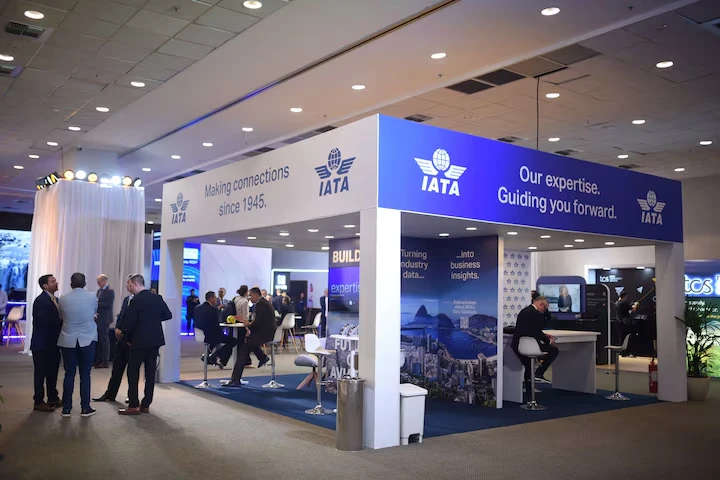
Speaking at IATA’s annual general meeting in Rio de Janeiro, Director General Willie Walsh identified a two-front assault on airline economics. “One is the significant increase in jet fuel prices, which has gone way higher than I think anybody would have expected, and then the disruption to the airlines in the Gulf region, so that combination has led us to reduce the forecast,” Walsh told Reuters.
The fallout hit West Asia hardest. The region was previously the most profitable for air travel, but carriers including Emirates and Qatar Airways slashed operations after weeks of airspace closures following the conflict’s outbreak in late February.
Also Read: Govt Crushes Aviation Sector with Massive Rs53/Litre Jet Fuel Bombshell
Iran War Sends Jet Fuel Prices Soaring
The numbers tell the full story of the damage. The total cost of fuel incurred by the industry in 2026 may increase to an estimated value of $350 billion as opposed to $252 billion this year because it represents close to one-third of total costs. The earnings per passenger for airlines will be close to $4.50, almost half of their earnings this year.
Pakistan Aviation Sector Feels the Impact
Pakistan‘s aviation sector sits squarely in the crossfire. The cost of jet fuel had risen by 136% since the start of the war on February 28, from about Rs212 to Rs500 per liter. The PIA has reduced services to Beijing, Kuala Lumpur, and other Gulf cities, discontinued all passenger discounts, and stated that losses will increase at existing jet fuel prices.
Walsh did not backtrack from his expectations of airline consolidation. He said weaker carriers face bankruptcy or forced mergers as fuel costs grind through their margins. Spirit Airlines, the American low-cost carrier, shut down last month the first airline to collapse directly because of the Iran war.
Instead of absorbing losses, airlines are withdrawing capacity, and the logic directly impacts ticket pricing. The airlines have locked in around one-third of the anticipated fuel needs for 2026 while simultaneously hiking up ticket prices in an effort to preserve margin room amid further capacity withdrawal. Walsh was blunt about where fares go from here: “In an environment where demand remains pretty robust, but capacity comes down, that will likely lead to a situation where fares will remain elevated.”
Before the conflict, jet fuel traded between $85 and $90 a barrel. It subsequently shot up to between $150 and $200, forcing carriers from Qantas to Air New Zealand to announce surcharges and suspend financial guidance.
One counterweight exists. Passengers will continue to increase by 2.4 percent to 5.1 billion passengers while the industry’s load factor, which measures how much the aircraft is loaded, will reach 84 percent. Airlines’ profits are estimated to increase by 9.4 percent to $1.16 trillion thanks to fare increases and ancillary revenues, which include extra money from better seats and onboard amenities. But no matter what happens to airline profits, an additional cost of $98 billion will come with increased fuel prices.
Delivery delays at Boeing and Airbus have further intensified the crisis, forcing airlines to keep older, less fuel-efficient aircraft in service for longer periods. According to Walsh, airlines are retaining old aircraft that consume more fuel compared to newer aircraft.
Middle East carriers face the steepest reckoning, with Walsh warning the region’s airlines will likely post losses for the year. Most other regions stay profitable, though at materially lower margins than IATA projected just months ago.
For Pakistani travellers, the outlook is higher fares, fewer seats and a flag carrier still navigating one of the most difficult operating environments in its history.