



The world’s commodity and stock trading centers are now witnessing a period of unprecedented volatility after a massive military exchange between Iran and Israel. This escalation in the ongoing conflict has virtually dashed any hopes of attaining a sustainable ceasefire, leading to panic on account of the long-term shutdown of the vital Straits of Hormuz waterway. With rising concerns over oil supplies, global crude prices are now soaring towards several months high levels, coupled with a coordinated selling spree causing a worldwide stock market collapse.
The energy commodity market in the world has seen an increase of more than 4% for the Brent crude futures to be trading at $97.15 per barrel. On its part, U.S. West Texas Intermediate is rising fast and has closed around $94.61 per barrel. Energy prices will definitely face another bout of stress if any further damage is done to the region’s infrastructures.
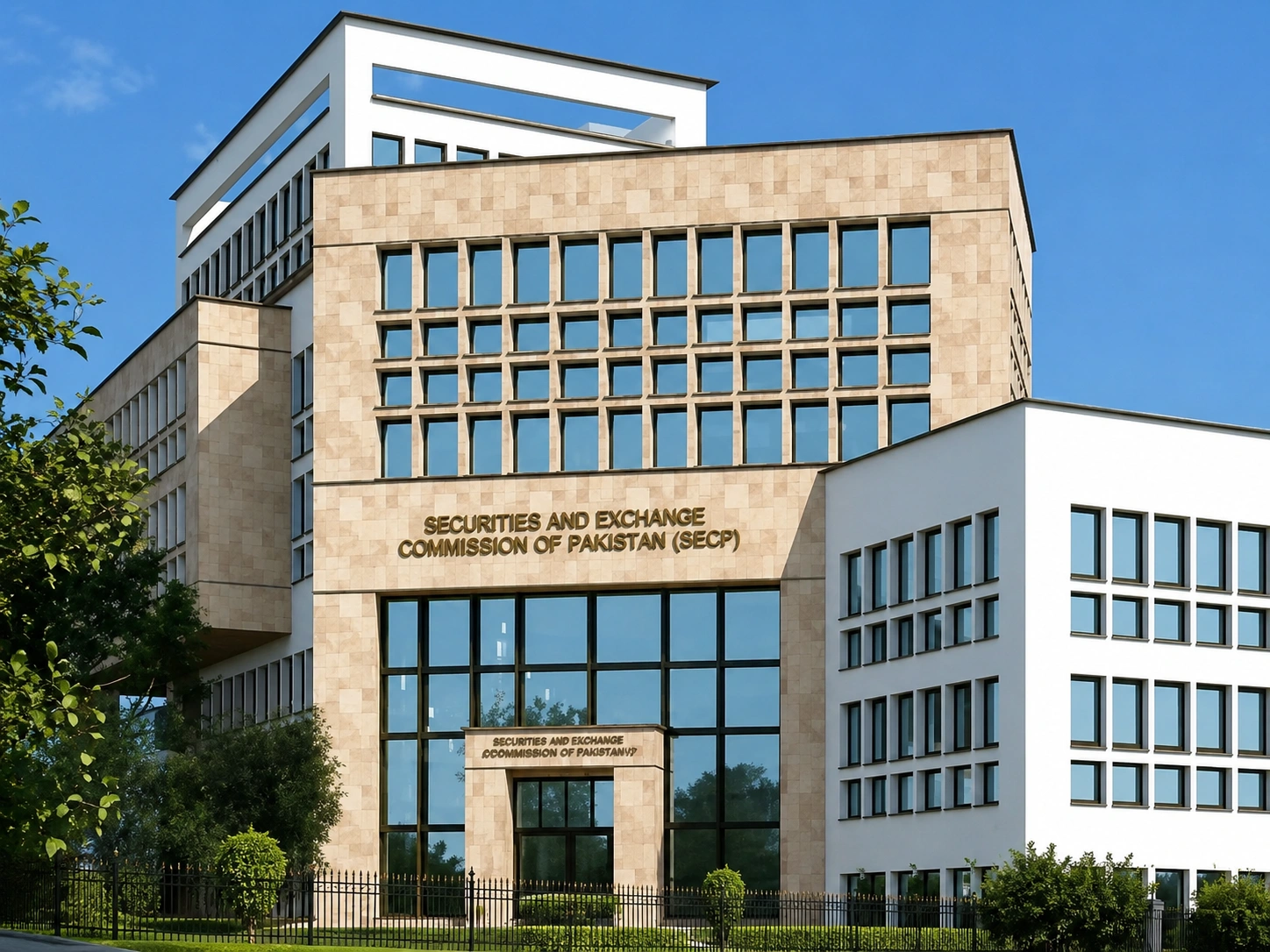
Stock Exchange of Pakistan Faces Consequences of KSE-100 Falling Below 1,480 Points
The panic-selling soon spilled over into South Asian capital networks, causing serious Global stock markets crash. In the course of active trading, the Pakistan Stock Exchange (PSX) saw a lot of selling, and consequently, the KSE-100 Index fell by 1,480 points to hit 168,998 points.
ALSO READ: Oil Prices Surge $4 as Trump Rejects Iran Deal, Strait of Hormuz Crisis Pushes Crude Toward $106
The local asset managers have been actively reducing the stock market holdings of corporates as a way of safeguarding their capital from the coming hike in the national bill for imports. This is because the country imports much of its energy requirements, and the high prices of oil will negate the gains made in tackling domestic inflation.
Pan-Asian Equity Markets See Global stock markets crash with Trading Suspensions
It was no less severe in some of Asia’s most important industrial economies, where technology and manufacturing stocks took the worst battering.
- South Korea: The KOSPI in South Korea plunged over 8% as giants such as Samsung took tumbles exceeding 10%, resulting in an automatic 20-minute trading suspension.
- Japan: Japan’s Nikkei 225 index sank over 3%, amid concerns over higher energy inputs hurting auto and electronics manufacturers dependent on exports.
- China & India: Defensive investors pushed the Hong Kong stock market to a 1.2% loss in Hang Seng index, with a similar trend observed in Bombay and Shanghai financial markets.
Western Financial Centers Forced to Retreat in Face of Rising Inflation Pressures
Macroeconomic Update: The losses have spilled over into Europe and other western nations, with key indices such as the DAX, CAC 40, and FTSE 100 all starting the day far into negative territory.
The underlying cause of the world’s stock markets collapse is imminent structural inflation. An oil price boom makes matters worse for the western central banks. Labor figures exceeding expectations together with oil shocks have made it impossible for international bond markets to consider any interest rate cuts.
Since corporate interest rates are likely to continue higher for a much longer period of time, while shipping routes are effectively cut off, investors have been moving from risky tech stocks to more tangible assets. Since there is no credible process for de-escalating the conflict through diplomatic means, the global equity system remains highly susceptible to panic liquidation.