
Pakistan's $450bn Economy Is Failing Its Youth, Warns APTMA Chief
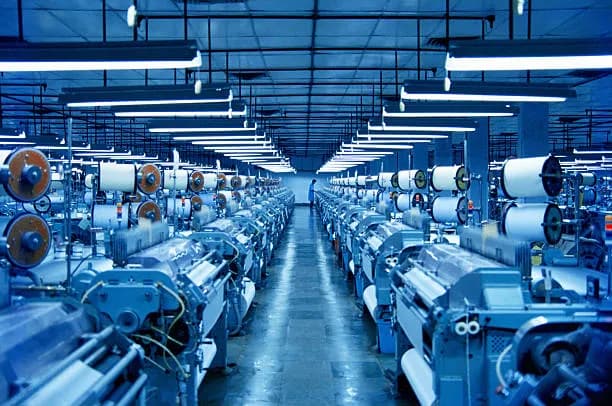
LAHORE: Asad Shafi opened his term as chairman of the All Pakistan Textile Mills Association with a bleak verdict on the national economy. Pakistan's GDP, he told the association's 67th annual general meeting, now stands at just $450 billion, while the country adds six to seven million newborns every year.
Exports remain stuck around $30 billion, he said. Farm and factory output has slumped. Stagnant exports, he argued, are forcing the younger generation out of the country.
Official figures complicate one part of that message and sharpen the rest. The National Accounts Committee valued the economy at $452.1 billion in FY26, up from $410.96 billion a year earlier, with provisional full-year growth of 3.7 percent. The headline size grew. The engine that earns dollars did not.
Pakistan Bureau of Statistics data shows total exports fell 5.93 percent to $30.14 billion in FY26, while imports jumped 8.14 percent to $69.76 billion. Textiles, the country's biggest foreign-exchange earner, managed growth of just 0.26 percent, ending the year at $17.93 billion.
Also Read: Pakistan’s Textile Exports Climb to $16.67 Billion Over 11 Months
Shafi blamed energy first. Pakistani mills pay more than 11 US cents per kilowatt-hour for electricity, he said, against roughly six cents in neighbouring countries. Falling cotton output has compounded the damage and left Pakistan trailing its rivals on global competitiveness.
Patron-in-Chief Dr Gohar Ejaz, whose group has now swept APTMA's central and zonal elections for a 17th straight year, went further. He said the government approved a regionally competitive energy tariff for export sectors after sustained lobbying by his group. It then withdrew the tariff abruptly, and exports took the hit.
Ejaz said the textile industry employs about 10 million people and earns more than 60 percent of Pakistan's export revenue. PBS numbers put the FY26 share closer to 59.5 percent. He claimed mills could add more than $10 billion in exports within a year if the government fixed the business environment. He also announced a new initiative for value-added exports.
Outgoing chairman Kamran Arshad took aim at the tax system. Taxation, he said, must reward investment and exports instead of penalising and humiliating exporters. Businesses need stability and predictability before they commit to long-term investment, he argued. He added that the government must shield the domestic value chain from dumped imports that now badly injure local mills.
S.M. Tanveer, Patron-in-Chief of the United Business Group, called the state a 60 percent partner in business profits and said it should act like one by facilitating trade and industry. He also credited APTMA with helping control pest attacks on the cotton crop.
Senior Vice Chairman Naveed Ahmed spoke, along with Vice Chairmen Khawaja Muhammad Anees and Ahmad Shafi, North Zone Chairman Muhammad Siddique Bhatti and South Zone Chairman Faizan Irfan. They stressed the need to push textile exports to $50 billion. They urged members to diversify into value-added segments and create more jobs, especially for women.
The arithmetic is brutal. Reaching $50 billion would require textile exports to rise by roughly 179 percent from FY26 levels. The first month of FY27 offered a sliver of hope, as textile exports rose 8.07 percent year-on-year to $1.814 billion in July, according to PBS.
Whether that momentum survives 11-cent power is now Shafi's problem to solve.




Leave a Reply
Your email address will not be published. Required fields are marked *