
PIA Clears Tough IATA Safety Audit, Secures Global Credentials Until 2028
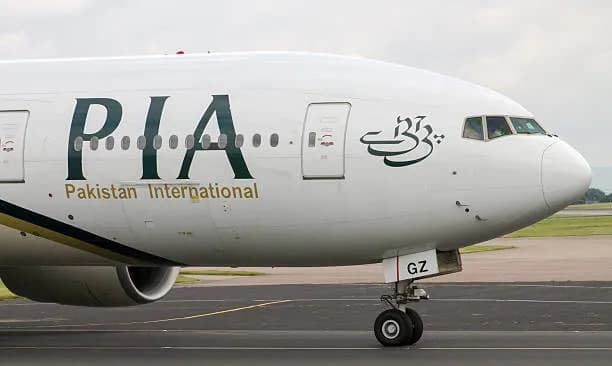
KARACHI: Pakistan International Airlines just cleared one of the toughest checkpoints in global aviation and bought itself two more years of international credibility in the process.
IATA has officially notified PIA management that the national carrier passed its latest Operational Safety Audit, known across the industry as IOSA. Sources confirm the airline's operational safety registration now runs through September 2028. Small line on paper. Bigger deal in practice this is an airline that spent years clawing back trust abroad, and one approval does not erase that fight on its own.
PIA IATA Safety Audit
IOSA does not hand out passes easily. IATA designed the audit as the industry's benchmark evaluation system, and every IATA member airline must stay registered under it to keep its membership intact. Assessors do not glance at a checklist and move on. They dig into flight operations. They pick apart ground handling procedures. They pull safety management systems apart piece by piece, checking each one against a standard regulators around the world already trust.
This year's audit ran under IATA's newer risk-based model, a shift away from the old one-size-fits-all checklist toward something sharper, tuned to each airline's actual risk profile. Auditors picked through PIA's flight routines line by line. They watched how ground crews handle aircraft between flights. They pressure-tested the airline's wider safety protocols before signing anything off. Clearing that tighter bar means more than clearing the older version ever did.
Also Read: PIA Passengers Can Travel to 21 European Destinations on One Ticket
Context makes this result land harder. PIA has spent years clawing back its international standing. A 2020 pilot licensing scandal triggered flight suspensions to Europe and the UK, and the airline spent the years after in global damage-control mode. Regaining IOSA registration back then was step one. Holding onto it now, under a stricter audit regime, signals something different: that the improvements PIA made were not a one-time fix dressed up for inspectors, but changes that stuck.
Why It Matters
Every airline flying international routes lives or dies by certificates like this one. Lose IOSA registration, and codeshare partners walk away, insurance premiums spike, and entire route networks come under threat. Keep it, and an airline keeps its seat at the table with the world's biggest carriers and alliances. PIA just kept its seat and bought itself breathing room to chase bigger goals, from fleet expansion to new international routes, without a safety cloud hanging over the negotiations.
Also Read: Global Airlines Slash 2026 Profit Forecast as Iran War Sends Fuel Costs Soaring
None of this happens without genuine work behind the scenes. IOSA auditors do not simply take an airline's word for it. They pull records, interview crews, inspect maintenance logs, and cross-check safety management systems against hundreds of individual standards before signing off on a registration. A carrier cannot talk its way through that process, it has to prove, operation by operation, that its safety culture holds up under pressure.
Timing matters here too. Pakistani aviation has spent years trying to shake off a reputation battered by scandal and scrutiny, and wins like this one chip away at that old narrative slowly, but they add up. This renewal will not erase the past by itself. It does give PIA something concrete to point to the next time a foreign regulator, an alliance partner, or a nervous passenger asks whether the flag carrier has actually earned its confidence back.
The certificate now runs until September 2028. What PIA does with that runway whether it uses the credibility to rebuild routes, attract partnerships, and shift the conversation away from old headlines will determine whether this audit becomes a turning point or just another renewal buried in an internal memo.
Leave a Reply
Your email address will not be published. Required fields are marked *