
Pakistanis Cut Wheat, Milk and Meat Consumption Amid Inflation Crisis
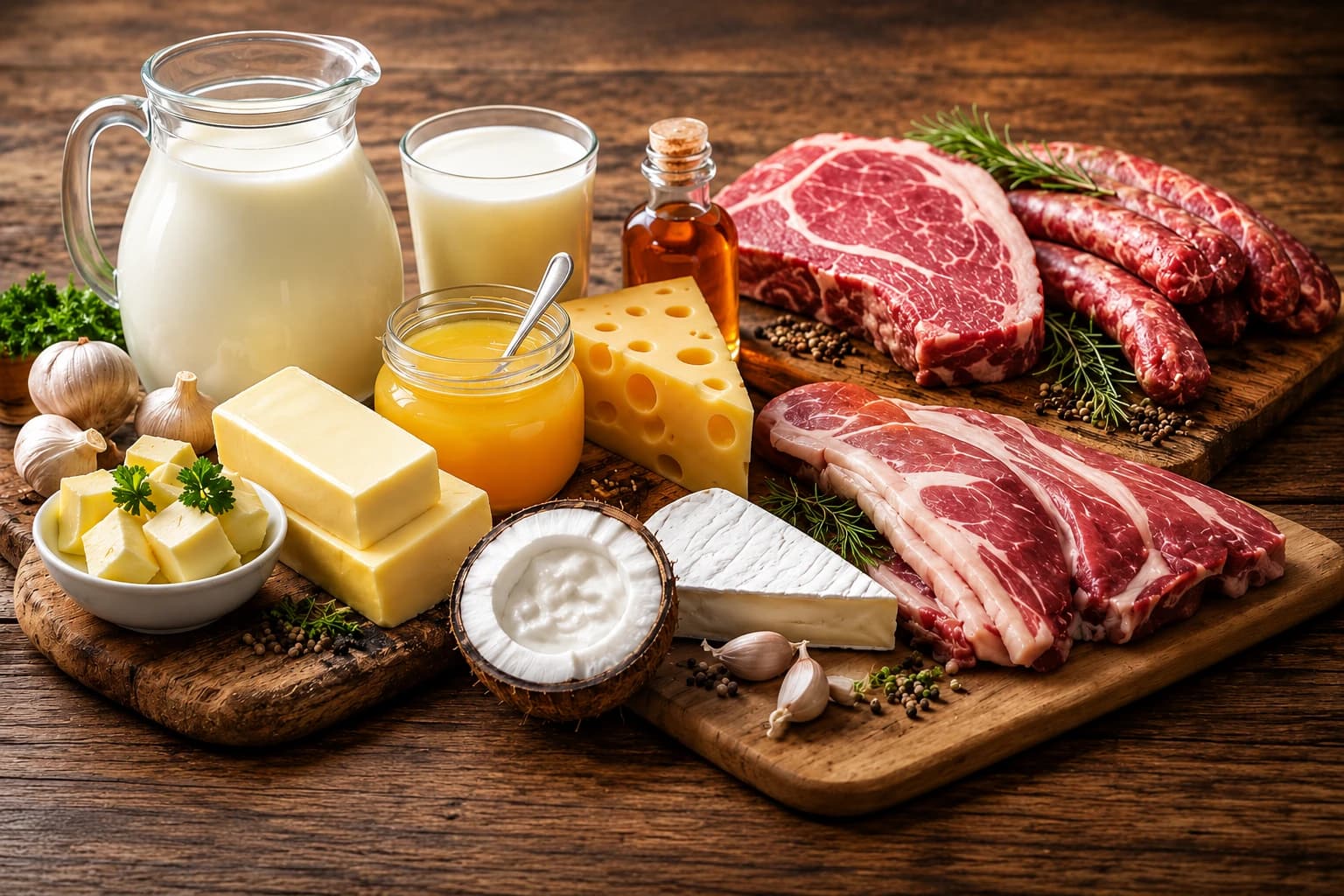
ISLAMABAD: Pakistanis are eating less of most staple foods than six years ago, with their consumption of wheat, rice, pulses, milk, and meat indicating greater pressures on families in the face of high inflation, according to Pakistan Economic Survey 2025-26.
The figures regarding the consumption of food items per month and per capita in the period between 2018-19 and 2024-25 highlight the grim situation where buying power is concerned. The consumption level of wheat and flour has dropped from 7.0 kg to 6.59 kg per head per month. Likewise, the consumption of rice has decreased from 1.06 kg to 0.86 kg per head per month.
Key Data: The Drop in Essential Food Consumption
The decline in animal protein intake was equally sharp. Fresh milk consumption slipped from 6.85 kg to 6.15 kg per person monthly, while combined meat consumption beef, mutton and chicken fell from 0.61 kg to 0.50 kg over the same period.
| Commodity | 2018-19 (kg) | 2024-25 (kg) |
| Wheat/Flour | 7.00 | 6.59 |
| Rice | 1.06 | 0.86 |
| Pulses | 0.35 | 0.26 |
| Fresh Milk | 6.85 | 6.15 |
| Meat (All types) | 0.61 | 0.50 |
The one category bucking the trend was vegetable ghee, where per capita consumption rose suggesting households are substituting cheaper cooking fats as costlier food items move out of reach. Pakistan's consumer price index averaged above 20 percent annually for much of the period covered by the survey, with food inflation at times running considerably higher. Real wages for daily-wage and informal-sector workers the majority of the labour force failed to keep pace, eroding the food purchasing capacity of millions of families.
Also Read: Govt Continues to Impose Heavy Taxes on Essential Food Items Ahead of Budget 2026-27
Economic Implications and Food Security
Nutritionists and food security analysts have long warned that sustained declines in protein consumption carry long-term consequences, particularly for children's development and workforce productivity. The survey data now provides quantitative confirmation of trends that had previously been documented only through household surveys and anecdotal reporting.
The Economic Survey stops short of projecting a recovery timeline, and with the government's fiscal consolidation programme keeping subsidies limited, food affordability is unlikely to improve materially in the near term.




Leave a Reply
Your email address will not be published. Required fields are marked *