
Govt Continues to Impose Heavy Taxes on Essential Food Items Ahead of Budget 2026-27
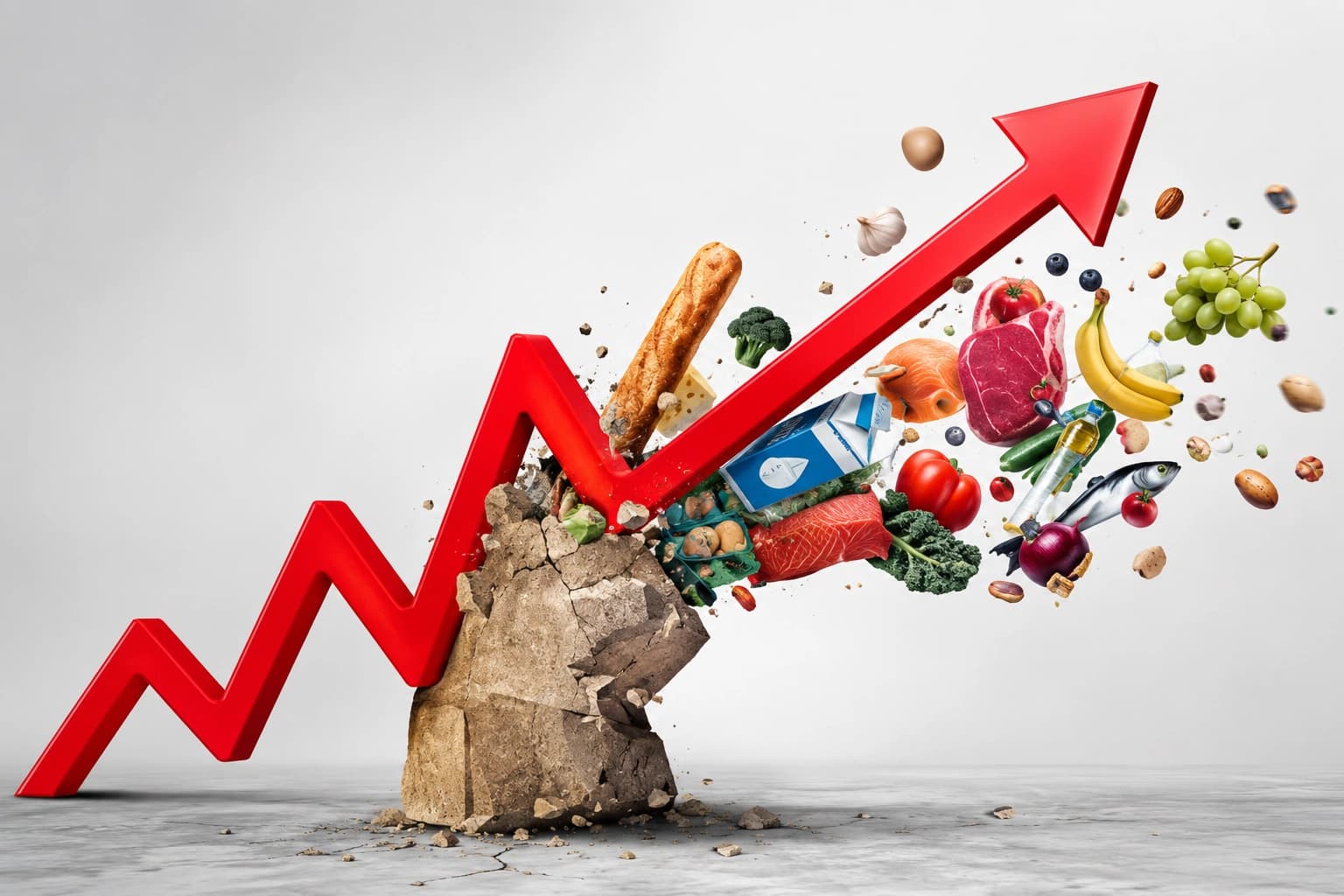
ISLAMABAD: Despite the financial hardship faced by many citizens because of increasing prices, the government of Pakistan is still levying substantial taxes and levies on essential food items such as potatoes, tomatoes, onions, and eggs, according to government sources.
The official documentation reveals that there is a custom duty of 20% and additional duty of 4% imposed on white crystalline sugar. In addition to this, an 18% sales tax is levied on vegetable ghee, cooking oil, tea, and sugar, which directly increases the cost of groceries for the common man.
Powdered milk, processed foods, electricity, and gas also bear the 18% sales tax rate. Even medicines — products many Pakistanis cannot live without — carry a 1% sales tax, raising questions about the government's commitment to protecting vulnerable citizens.
Pakistan Food Taxes Continue to Hit Consumers
Chicken carries a 20% customs duty along with a 4% additional customs duty. Eggs have to pay tariffs that range from 3% to 16%. Additionally, regulatory taxes must also be paid separately. The multiple taxation systems make eggs expensive for families who rely on eggs as their source of proteins.
Potatoes carry a regulatory duty of 20%, while tomatoes and onions carry 5% customs duty on top of that. Wheat carries a customs duty of 10%, while rice carries a similar customs duty. In addition, there is 5% customs duty on wheat flour.
Read More: Pakistan Food Exports Crash 32% to $4.19bn in Ten Months
The cooking oil sector carries one of the most layered tax structures. Raw soybean oil attracts Rs10,500 per metric ton in customs duty, plus a 2% additional customs duty. Vegetable oil faces Rs10,800 per metric ton in customs duty along with a 10% regulatory duty.
Budget 2026-27: Will there be any Relief?
Sources informed Focus Pakistan that, it remains uncertain whether the government intends to cut any of these taxes within the framework of the upcoming budget. The Finance Division will present the federal budget for the financial year 2026-27 on June 5.
Critics believe that imposition of taxes on basic necessities and utilities defies the policy objective of poverty reduction and inflation management of the government. Given the current situation in Pakistan where the inflation rate impacts lower-class families heavily, economists fear that imposing duties on these products would increase food insecurity in the country.
It has been demanded by consumer welfare bodies from the government that taxes on essential commodities of everyday use should be cut down drastically to ensure fair taxation as lower-income groups spend the most amount of their income on basic necessities of life.
As budget day approaches, Finance Minister Muhammad Aurangzeb and his economic team face mounting pressure to deliver meaningful relief for millions of Pakistanis struggling with rising food prices, utility bills, and inflation.


Leave a Reply
Your email address will not be published. Required fields are marked *