
Palm Oil Bill Hits $3.78 Billion As New Tax Threatens Rs15 Price Hike
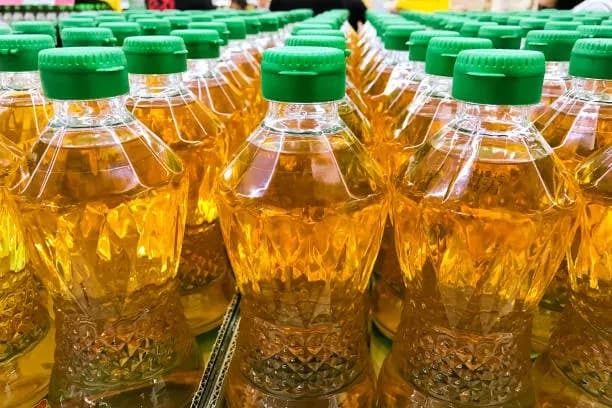
KARACHI: Pakistan imported 3.482 million tonnes of palm oil worth a record amount of $3.785 billion in FY26, with industry experts warning that a new tax system might cause an increase in the price of ghee and cooking oil by further Rs10-15 per kilogram.
Pakistan Palm Oil Imports
Data compiled by Pakistan Bureau of Statistics reveals that the imports of palm oil rose from 3.214 million tonnes worth $3.4 billion in FY25.. The average price per tonne rose too, from $1,056 to $1,078, adding cost pressure on top of the higher volumes.
Pakistan Vanaspati Manufacturers Association Chairman Sheikh Umer Rehan traces the surge to two forces working together: a growing population that simply eats more ghee and cooking oil, and shrinking yields from local oilseed crops like cottonseed that once supplemented imported palm oil. He points to the bigger number behind the trend edible oil consumption in Pakistan has climbed to 4.8 million tonnes, up from 4 million tonnes just five years ago.
Pakistan Still Lacks Edible Oil Policy
That growth has run entirely without a policy framework to guide it. Rehan adds that Pakistan lacks a special edible oil policy framework since its inception, resulting in an industry which currently imports almost $4 billion worth of one item every year without any strategy on the part of the government to cope with this matter.
Also Read: Pakistan Food Imports Surge to $7.09 Billion as Exports Fall 34%
This is already reflected in the form of high prices being charged by manufacturers. As per the Sensitive Price Index (SPI), a 5-liter container of cooking oil is now priced between Rs2,975-3,110, compared to last year when the same product was available at Rs2,800-3,000. The price of a 2.5 kg tin of ghee is Rs1,500-1,565 against Rs1,425-1,485. Every category has moved higher over twelve months, even before the tax change Rehan is warning about takes full effect.
That change centers on how the Federal Board of Revenue collects general sales tax from manufacturers. Rehan says the FBR now wants companies to pay GST calculated on retail price rather than the ex-mill price basis the industry used previously a shift that expands the Third Schedule's scope to bring ghee and cooking oil under a Maximum Retail Price mechanism. He argues this move increases the industry's tax burden substantially and adds that the FBR is creating complications for taxpayers instead of building the business-friendly environment officials frequently promise.
Rs15 Price Hike May Be Next
The mechanism took effect through the FY27 budget, and Rehan warns its full impact hasn't reached consumers yet. Once it does, he says, ghee and cooking oil prices could climb by another Rs10-15 per kilogram on top of what SPI data already shows. PVMA had pushed for tax relief for the edible oil and ghee sector before the budget passed, arguing that lower taxes would ease pressure on consumers already absorbing higher import costs.
The numbers leave Pakistan in an uncomfortable position: heavily dependent on imported palm oil to feed a growing population, paying more per tonne for that dependency each year, and now facing a domestic tax change that industry leaders say will push kitchen-table prices even higher all without the policy framework that might have prepared the country for any of it.





Leave a Reply
Your email address will not be published. Required fields are marked *