
Pakistan Pushes Automakers From Assembly to Exports
The Pakistan Auto Policy now taking shape will determine how quickly that ambition becomes reality, and how much pressure automakers face to export, localise and invest in engineering.
LAHORE: Pakistan wants a car part made in Lahore or Karachi to find buyers in Shanghai, Tokyo, Munich and Detroit. The vendors who would have to build it say they still haven't seen the rulebook.
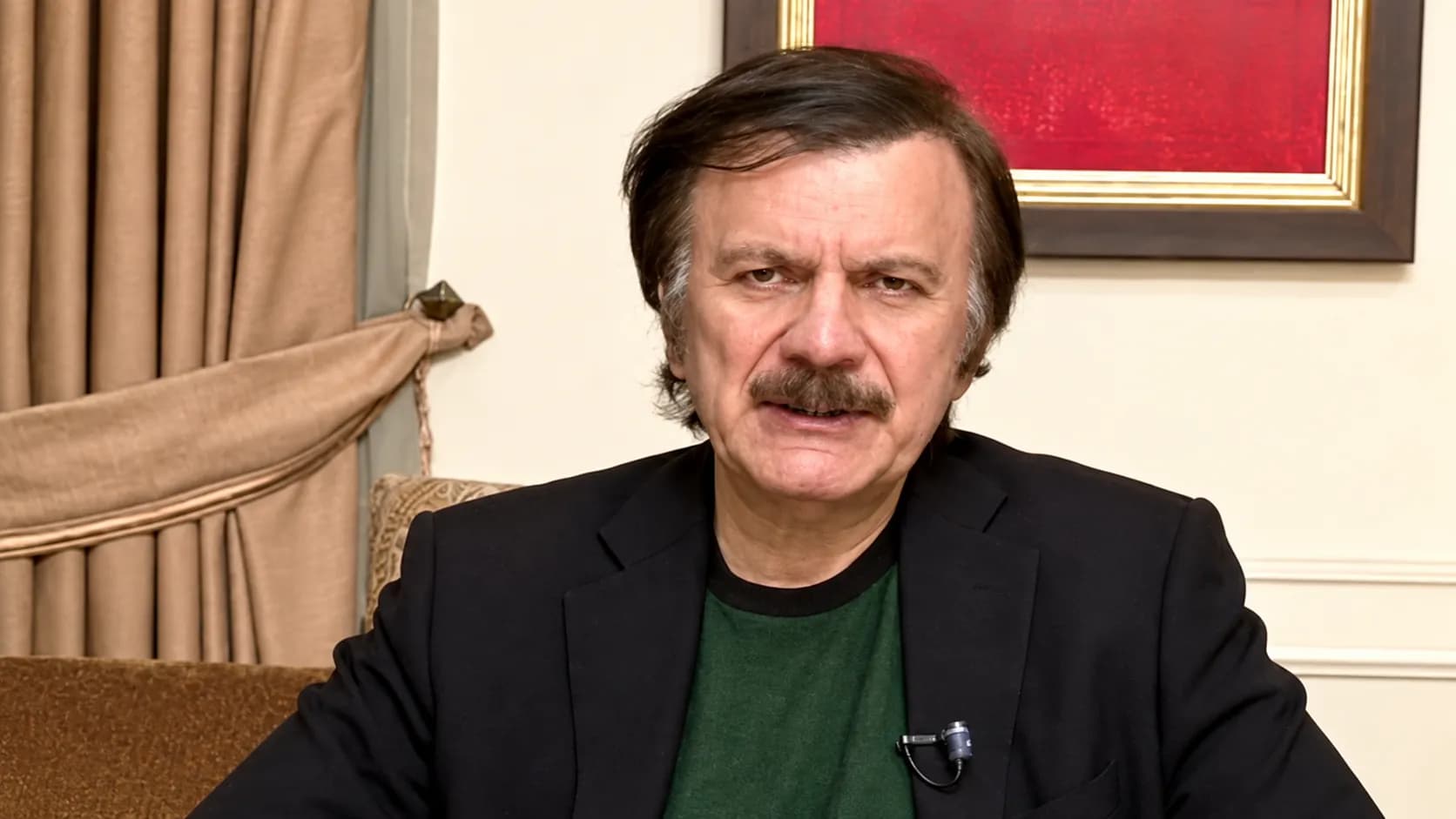
Haroon Akhtar Khan didn't soften the message. At a Changan vehicle launch in Lahore, the Prime Minister's Adviser on Industries and Production told the room that putting cars together can't stay the industry's ceiling.
Assembly, then manufacturing. After that, engineering. Innovation comes last. That is the ladder Khan set out, and he expects carmakers to start climbing.
Then came the line people will remember: "Pakistan has to move from consumer to producer, and from producer to global exporter."
The timing was awkward. That same week, the Pakistan Association of Automotive Parts & Accessories Manufacturers (PAAPAM) wrote to Prime Minister Shehbaz Sharif seeking an urgent meeting, The Express Tribune reported. Its fear is simple enough. If the government locks in the Auto and Auto Parts Manufacturing Policy 2026–31 without hearing the people who make the parts, factories, jobs and years of localisation work could take the hit. PAAPAM wants the reviewed draft in hand before Islamabad sends it to the International Monetary Fund and the federal cabinet.
The government's ambition and its own suppliers' fears now meet head-on.
Export targets with teeth
A committee chaired by Law Minister Azam Nazeer Tarar has spent weeks going through the draft clause by clause, and Khan sits at that table. A separate inter-ministerial panel under Power Minister Sardar Awais Ahmad Khan Leghari has proposed legally enforceable export targets for carmakers, penalties for those who miss them, and tariff cuts of up to 80%, according to local media reports of its recommendations.
Also Read: 31 Car Brands, Half-Empty Factories: Pakistan's Auto Boom Has a Buyer Problem
Reports differ on the exact export percentages under Pakistan's auto policy 2026-31. The IMF has sought more data on the draft, according to a report citing official sources.
Khan's Lahore remarks show where Islamabad wants the pressure to fall. Replacing an imported part with a local one no longer counts as a win. The government wants suppliers that earn dollars, not vendors whose order book ends at a Pakistani assembly plant.
That reverses decades of habit. Pakistani vendors grew up supplying local assembly lines behind high import duties. Khan isn't calling for tearing those walls down overnight. A young industry can lean on protection, he said, but only as a bridge to competing. Nobody should treat it as a permanent home. He tied the shift to tariff rationalisation and productivity, and to clearing out red tape.
The parts makers read the same reforms differently. They argue that proposed tariff changes, particularly for new energy vehicles, could make imported components cheaper than parts Pakistani factories already produce.
The EV trap
Electric vehicles raise the stakes further.
On EVs, Khan sounded wary. He doesn't want the move to electric to become one more import bill. He listed batteries, motors, chargers, power electronics, software and energy storage as areas where Pakistani firms need to build their own capability.
Do the arithmetic. Trade an imported petrol engine for an imported battery pack, and Pakistan sits exactly where it sat in the value chain. Only the invoice looks different.
Chinese money, Pakistani engineers
Chinese brands now crowd Pakistan's showrooms, and Khan has no quarrel with their money. He wants something attached to it, though. He named technology and engineering know-how, and he wants Pakistani engineers working inside these companies' programmes so the knowledge stays here.
So a ribbon-cutting for a new model won't buy much goodwill in Islamabad anymore.
A first shipment, a long road
Pakistan already has one small export test underway. In July, MG JW Automobile Pakistan signed a memorandum of understanding with Bangladesh's RANCON Group covering 100 locally assembled vehicles this year. Projected exports under the deal reach 5,800 units over four years.
Next to Khan's Detroit ambition, those numbers look modest. They still show that a car assembled in Pakistan can clear a foreign port.
Khan has said the auto sector contributes nearly 4% of GDP and employs millions. The industry's next chapter depends on a policy document still sitting in a committee room. It also depends on whether the government and its own parts makers can agree on what "competitive" actually means.
Leave a Reply
Your email address will not be published. Required fields are marked *