
Energy Minister Awais Leghari says deserving consumers under 200-unit threshold will keep receiving relief, but wealthy solar users gaming the system must stop.
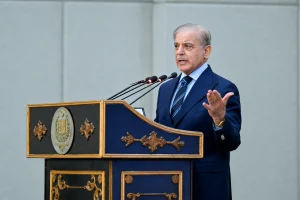
ISLAMABAD: Federal Minister for Energy Awais Leghari launched a campaign against the rising misuse of the electricity subsidy scheme in the country by unveiling a QR-code based verification method to help identify genuine consumers.
Addressing a media briefing, Leghari did not mince his words from the very beginning saying that there will be no rollback of subsidies on behalf of any consumer category.
“Reports suggesting we are ending subsidies are simply contrary to facts,” he said, addressing weeks of public anxiety that had been fuelled largely by social media speculation.
At the heart of the new policy sits a straightforward but significant change. Every electricity meter will link to a QR code. Consumers currently receiving subsidies must register their details through this system, and eligibility for continued relief will rest on the data that emerges from that process.
The Solar Loophole That Broke the System
he minister reserved his strongest criticism for wealthy consumers who installed large solar systems and reduced their grid electricity consumption below 200 units to qualify for subsidies intended for low-income households
“Such people are now putting a strain on consumers paying in full because they are not getting subsidies,” commented Leghari sharply.
These statistics demonstrate the extent to which the system has stretched. The number of subsidy beneficiaries has risen to 21.5 million, while the total subsidy bill has increased from Rs 199 billion to Rs 423 billion. Agriculture and domestic sectors alone now absorb Rs 527 billion in annual subsidies. The QR code system, the minister argued, will separate genuine need from deliberate gaming.
Read More: Govt Raises Solar Panel Customs Value by Up to 30%
Real Reductions, Real Numbers
The second argument advanced by Leghari was that no Pakistanis have benefited from any of the measures implemented by the government. From March 2024 to May 2026, electricity rates were reduced for all types of consumers. The rates for protected consumers were cut by 31 percent. For industries, the cut was 33 percent. Domestic prices saw a reduction of 16 percent, while agricultural tariffs dropped by 14 percent. The minimum reduction was seen in Azad Kashmir where prices fell by 45 percent.
The minister mentioned that the government was able to make these savings via several initiatives, namely through reforms in the power sector where they renegotiated IPPs, saving Rs 3,500 billion; minimized losses in distribution, making Rs 193 billion savings; and reduced circular debt by Rs 780 billion.
Solar Is Safe — Just Fairer
On net metering, Leghari was careful to draw a distinction that much of the public debate had blurred. The government reformed the billing methodology it did not kill net metering. Licensing requirements for solar installations of 25 kV or below no longer exist. NEPRA has approved easier procedures for small solar projects. And 90 percent of domestic solar users, the minister said, will feel no negative impact from the changes.
“We are not discouraging solar energy. We are making the system more transparent and fair for everyone,” he said.
Pakistan currently generates 36,000 megawatts from the national grid, while public investment in on-grid and off-grid solar has already touched 50,000 megawatts. The country’s renewable energy share stands at 57 percent ahead of India’s 48 percent and the government wants that figure to reach 90 percent by 2035.
A Direct Word on the Noise
Leghari closed with a pointed but measured rebuke of the political commentary that has surrounded energy policy in recent weeks. He maintained that the senior politicians and economists had been raising issues that would simply fall apart upon the test of facts.
He appreciated Defence Minister Khawaja Asif’s effort to hold himself accountable through his tweet about LESCO and emphasized that authorities swiftly acted against the concerned officials.
“I raise the issues of the people before everybody, and then I answer them,” he remarked, which was more like what a minister would have rather than any spin doctor.