
ISGS Takes Charge of Pakistan’s $6 Billion Refinery Overhaul as Capacity Questions Mount
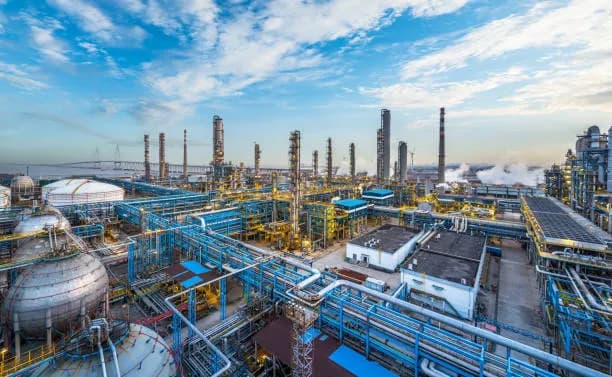
ISLAMABAD: Pakistan has handed Inter State Gas Systems a commanding role in its multibillion-dollar refinery modernisation programme, placing the state-owned gas infrastructure company at the centre of agreements, project monitoring and incentive payments. The decision gives ISGS control over a complex investment framework that could reshape the country’s ageing refining industry, but it also invites an uncomfortable question: does the company possess the expertise to manage it?
The Petroleum Division named ISGS as the implementation entity for the Pakistan Oil Refining Policy for Upgradation of Existing/Brownfield Refineries, 2023, through a letter dated August 24, 2026. The division took the decision after Petroleum Secretary Momin Agha chaired a meeting on August 17.
ISGS Refinery Upgrade Role Expands Dramatically
Under its new mandate, ISGS will execute upgrade agreements with refineries, establish and manage Refinery Upgrade Accounts, monitor construction and investment milestones, appoint technical consultants and auditors, and release incentive payments.
These responsibilities place ISGS at the financial and operational heart of the refinery upgrade programme. The company will not merely coordinate paperwork. It will oversee complex engineering projects, track compliance and administer money that refiners collect through the policy’s tariff-protection mechanism.
Also Read: Pakistan Approves 435-km White Oil Pipeline Linking Karachi to Peshawar
The policy permits refineries to sign agreements with an entity selected by the Petroleum Division. It also calls for a Project Management Unit staffed by technical and financial specialists. This unit should help ISGS evaluate project progress, verify expenditure and determine whether participating refineries qualify for incentives.
The change moves OGRA away from the programme’s contractual execution, although the regulator retains its statutory oversight responsibilities. Therefore, describing the decision as a complete replacement of OGRA would overstate the shift. The government has transferred key implementation functions, not abolished OGRA’s regulatory authority.
Billions at Stake in Pakistan Refinery Overhaul
Pakistan’s five existing refineries need deep-conversion technology to produce cleaner Euro-V fuels and reduce their heavy furnace-oil output. Industry estimates place the required investment at roughly $5 billion to $6 billion, with refiners expected to import much of the required machinery.
The financing structure allows refiners to accumulate tariff-based incentives in dedicated accounts, potentially covering part of their investment costs. That arrangement makes transparent account management and independent verification essential. Consumers effectively support part of the programme through fuel prices, which raises the stakes for oversight.
A Business Recorder analysis has questioned the programme’s economics, financing prospects and timing as global markets accelerate their shift toward electric transport. However, supporters view refinery upgrades as necessary for cleaner fuels, lower petroleum-product imports and greater energy security.
ISGS traditionally focuses on cross-border gas pipelines and related infrastructure, including projects such as the Iran-Pakistan and TAPI pipelines. Critics now question whether that background gives the company enough refinery-engineering, project-finance and incentive-administration expertise.
The government can answer those concerns only through action. ISGS must recruit credible specialists, publish clear monitoring standards, appoint independent auditors and disclose how it approves payments. Pakistan’s refinery overhaul cannot afford another bureaucratic handover that changes the institution but leaves delays, uncertainty and weak accountability untouched.


Leave a Reply
Your email address will not be published. Required fields are marked *