
Major HIV Outbreaks in Sindh Infect Hundreds of Children
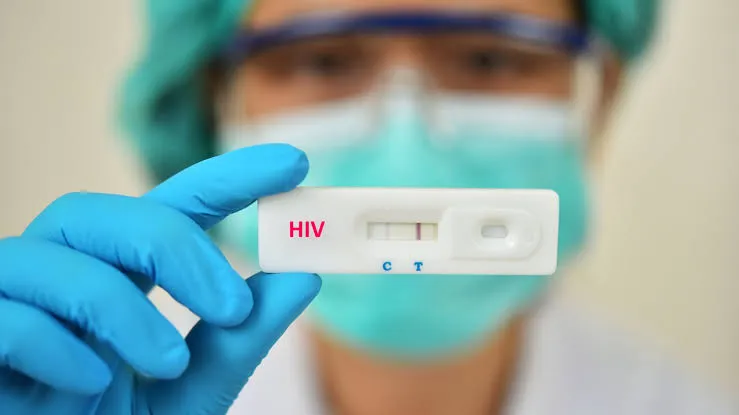
KARACHI: According to experts analyzing HIV outbreaks in Sindh, there are a number of things that fail every time, which include the use of improper medical practice and poor infection control, as well as reuse of needles, among others. It is noted that if reforms would have been put in place after each major catastrophe, then future outbreaks would have been largely prevented. This trend has shown that core problems in the health sector in Sindh are yet to be addressed.
HIV Outbreaks in Sindh (Last 10 Years)
There have been four major HIV outbreaks in Sindh during the last decade, but there is no comprehensive strategy in place that can help to combat these infections in the future. Experts opine that the repeated HIV outbreaks in Sindh reveal a tendency towards a temporary solution and not a permanent one.
Larkana: The first outbreak of HIV cases in Sindh was in 2016 when there were reports of a massive outbreak of HIV infections among patients who were on dialysis in Larkana. The situation put into question the Sindh Blood Transfusion Authority and all measures put in place to ensure that any contaminated blood and devices were not administered to the patients. Some blood banks were closed down at the time, but the changes that followed were not lasting.
Ratodero: In 2019, one of the most severe HIV epidemics occurred in the Sindh province where over a thousand people got infected, more than 80% of them being kids. According to international organizations like the WHO, this case is quite an extraordinary one not only by its scope but also by the age of the victims. The investigators have concluded that the main causes of such an epidemic lie in the unsafe use of injections and the reusing of syringes.
Khairpur: Not long ago, in May 2026, several children infected with HIV were admitted into the Gambat Institute of Medical Sciences in Khairpur, and yet again raised the alarm about the mode in which HIV infection is still being transmitted amongst children in Sindh. It made health officials concerned that the root cause of previous HIV infection outbreaks in Sindh was never sorted out.
Karachi: The fourth crisis strand arose in November 2025 when the first cases of HIV in children were identified at Kulsoom Bai Walika Hospital in Karachi. The authorities responsible for this incident admitted negligence and acted accordingly on those involved in this affair. Nevertheless, health officials have warned that this measure alone is not a long-term solution since systematic change is unavoidable for Pakistan to end its repeated crisis.
ALSO READ: 16 More Children Test HIV Positive at Karachi's Walika Hospital
In an effort to bring attention to the alarming rise in HIV infection rates in Pakistan, the Medical Microbiology and Infectious Diseases Society of Pakistan recently held a press conference in Karachi, where they released a comprehensive white paper on the issue. The document found that the total cases of HIV infection in Pakistan have increased four-point-three times since 2010, while the AIDS-related mortality rate has seen a similar increase. It was also pointed out that only 21 percent of HIV infected individuals are diagnosed in the country, and only 16 percent receive any treatment.


Leave a Reply
Your email address will not be published. Required fields are marked *