
Pakistan Builds Powerful Risk Shield to Unlock Billions in SME Export Potential
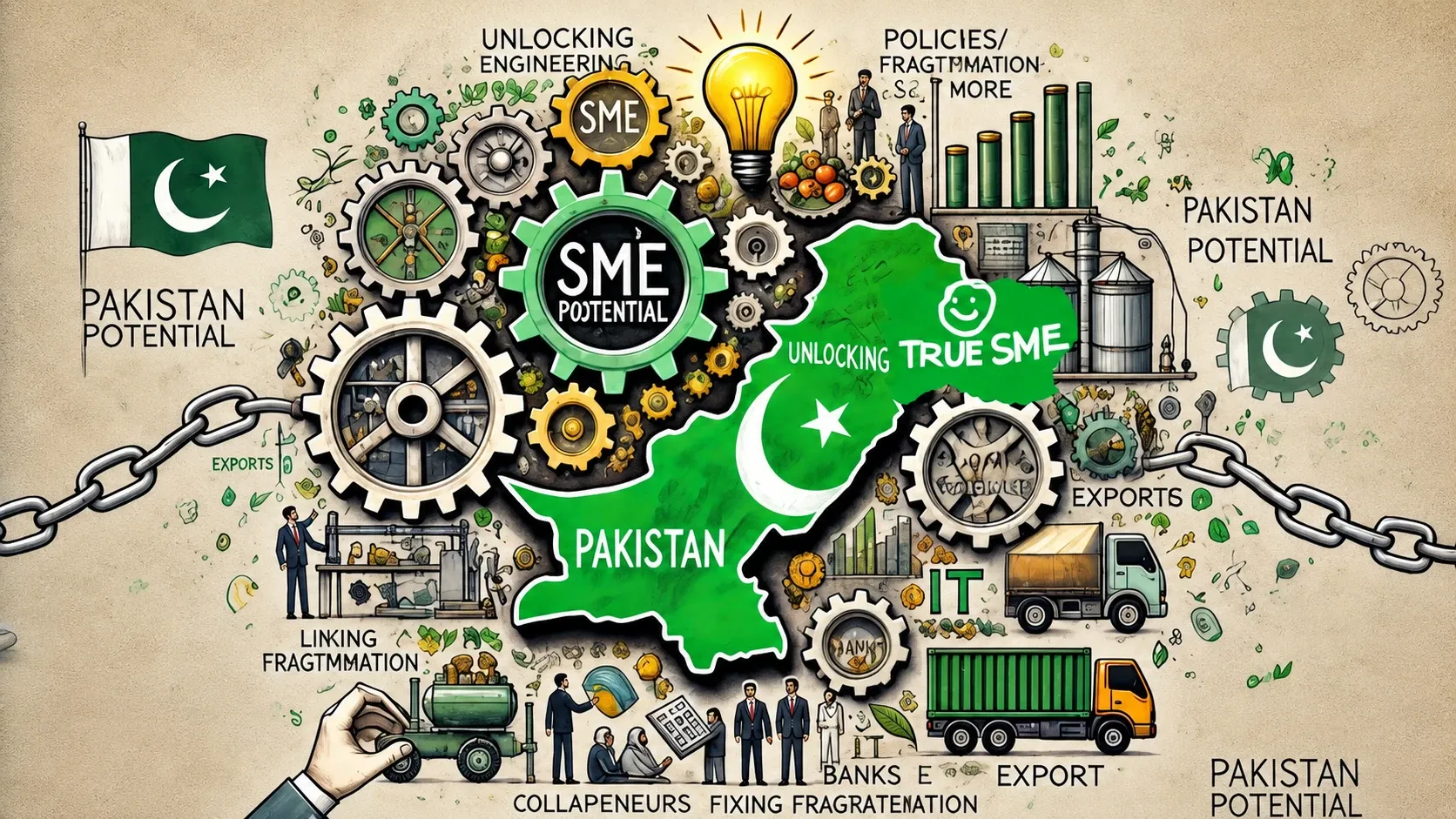
ISLAMABAD: Nearly 90 percent of Pakistan's businesses fall into the small and medium enterprise category. They employ close to 80 percent of the non-agricultural workforce. And yet getting a bank to finance an export order remains, for most of them, an uphill fight. Lenders see smaller firms as harder to assess, riskier to back
especially when a buyer sits in a country where politics can shift overnight. That gap has kept SME exports capped at an estimated 25 to 30 percent of Pakistan's total export earnings for years.
Pakistan SME Export Finance
Tuesday's agreement marked the government's latest attempt to close that financing gap. The Export Development Fund and the Export-Import Bank of Pakistan signed a Memorandum of Understanding built around a Joint Risk Pool, which will draw on Pak EXIM's Export and Trade Credit Insurance products to give SME exporters a financial cushion they've largely lacked until now.
Also Read: Croatia Opens New European Gateway for Pakistan Trade in Historic First Visit
Export credit insurance shifts much of the payment and political risk away from individual lenders by covering losses arising from buyer defaults or certain government actions. That reduces banks' exposure and makes them more willing to finance export orders. Without that kind of cover, banks must absorb the full loss if an overseas buyer fails to pay, which makes many SME export transactions commercially unattractive to underwrite in the first place.
The MoU doesn't stop at insurance. EDF and Pak EXIM also plan to explore co-funding arrangements for export deals, and they intend to develop credit guarantee mechanisms arrangements that promise a lender partial repayment if a borrower defaults. Both moves are meant to push commercial banks toward lending more freely to exporters they currently avoid. Green and sustainable export initiatives made the agenda too, tied to commitments Pakistan has already made on trade and climate policy.
Also Read: PIBTL Eyes Role as Pakistan's Minerals Export Gateway
Secretary Finance Imdad Ullah Bosal and Secretary Commerce Jawad Paul attended the signing ceremony. Dr Muhammad Saeed, Adviser to the Prime Minister and a member of the EDF Board, signed for EDF. Shahbaz H. Syed, President and Chief Executive Officer of Pak EXIM, signed for the bank. EDF Board members, senior government officials, trade body representatives and exporters filled out the rest of the room.
Both institutions said they remain committed to implementing the agreed initiatives through timely and practical measures, and expressed confidence that the partnership would strengthen the competitiveness of Pakistani exporters in international markets.
This is, in essence, what export credit agencies exist to do step in where commercial banks won't, especially for smaller players without the leverage to negotiate favorable terms on their own. The real test comes next: whether the Joint Risk Pool and the promised credit guarantees actually reach a textile exporter in Faisalabad or a tannery in Sialkot, or whether this becomes another agreement that reads well on paper and changes little on the ground.


Leave a Reply
Your email address will not be published. Required fields are marked *