
Pakistan Mobile Phone Imports Fall 3.56% as Local Assembly Grows
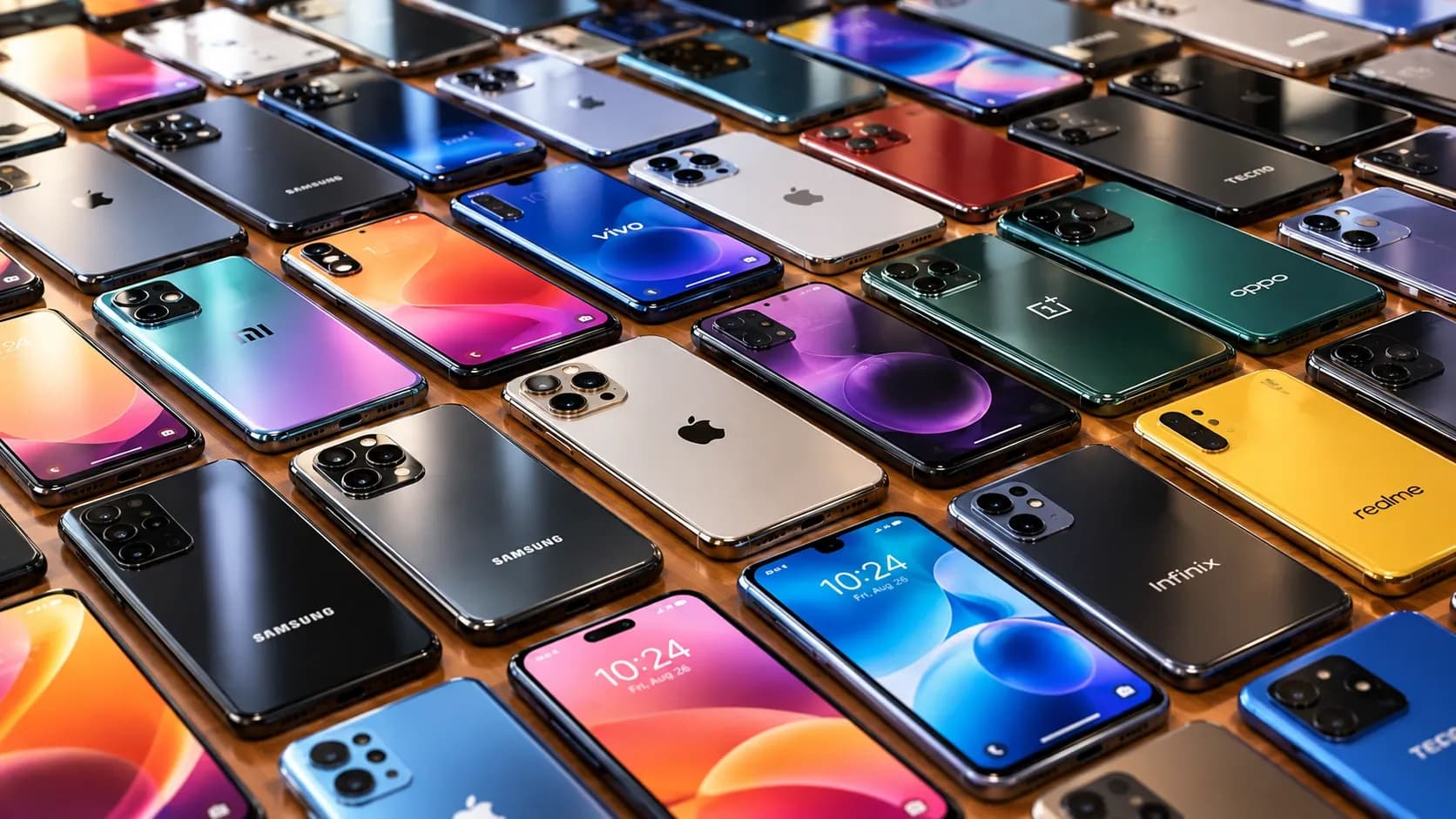
KARACHI: Pakistan spent less on imported mobile phones last month. Not a lot less $140.435 million against $145.612 million a year earlier but the number matters more for what's behind it than for the drop itself.
Pakistan Bureau of Statistics figures put the year-on-year decline at 3.56 percent for July 2026, the opening month of the new fiscal year. Compare it to June instead, and the slide looks even smaller: 0.77 percent, down from $141.522 million. Two ways of reading the same trend, both pointing the same direction.
Pakistan Mobile Phone Imports Decline
Here's where it gets interesting. This isn't really a story about Pakistanis buying fewer phones. It's a story about where those phones now come from.
Local assembly plants have been picking up the slack for months. The Economic Survey 2026 recorded 161.6 million handsets assembled domestically by March alone a scale that simply didn't exist a few years back, when nearly every phone sold in Pakistan arrived in a shipping container from somewhere else. Thirty-six companies now hold manufacturing authorisation inside the country, Samsung, Xiaomi, Oppo and Vivo among them. Industry data from the PTA put local production at 97 percent of national demand in July, up sharply from just 75 percent in May.
Also Read: Pakistan’s Mobile Phone Assembly Explodes 102% in July as Local Plants Capture 97% of Market
Government policy nudged things along too. A 20 percent cut in regulatory duty on imported phones kicked in from July 1, part of the Finance Bill 2026, and it was supposed to make premium handsets cheaper, Rs10,000 to Rs14,000 cheaper, by some estimates. Cheaper imports and falling import bills sound contradictory at first glance. They're not. Lower duty makes official, taxed imports more attractive relative to grey-market alternatives, even as overall import spending keeps trending down against a backdrop of stronger domestic supply.
There's a global squeeze working in the opposite direction, though. Memory chip prices have been climbing worldwide, and that's pushed up the cost of components going into every phone, imported or assembled locally. Some buyers at the lower end of the market have simply waited things out delaying an upgrade rather than paying more for it, or switching to a locally assembled option instead of an imported one.
Also Read: Pakistan Mobile Phone Production Hits 2 Million, Imports Lose More Ground
Put those threads together and July's number stops looking like weakness. It looks more like a market finding a new equilibrium: local factories doing more of the heavy lifting, official imports adjusting to a changed price and duty landscape, and consumers responding to both at once.
Phone Costs Face New Pressure
None of this means imports are disappearing. Pakistan still brings in a meaningful volume of handsets every month, particularly for devices nobody assembles domestically iPhones and Pixel phones chief among them, since neither Apple nor Google runs assembly lines inside the country. What's changed is the balance. A market that once depended almost entirely on imported stock now leans on local plants for the bulk of what Pakistanis actually buy.
The next few months should clarify whether July's dip holds as a trend or turns out to be a one-month blip. PBS releases fresh trade data monthly, and August's numbers will land within weeks.




Leave a Reply
Your email address will not be published. Required fields are marked *