
Pakistan Railways Hands 5 Passenger Trains to Private Sector in Rs10.75 Billion Deal
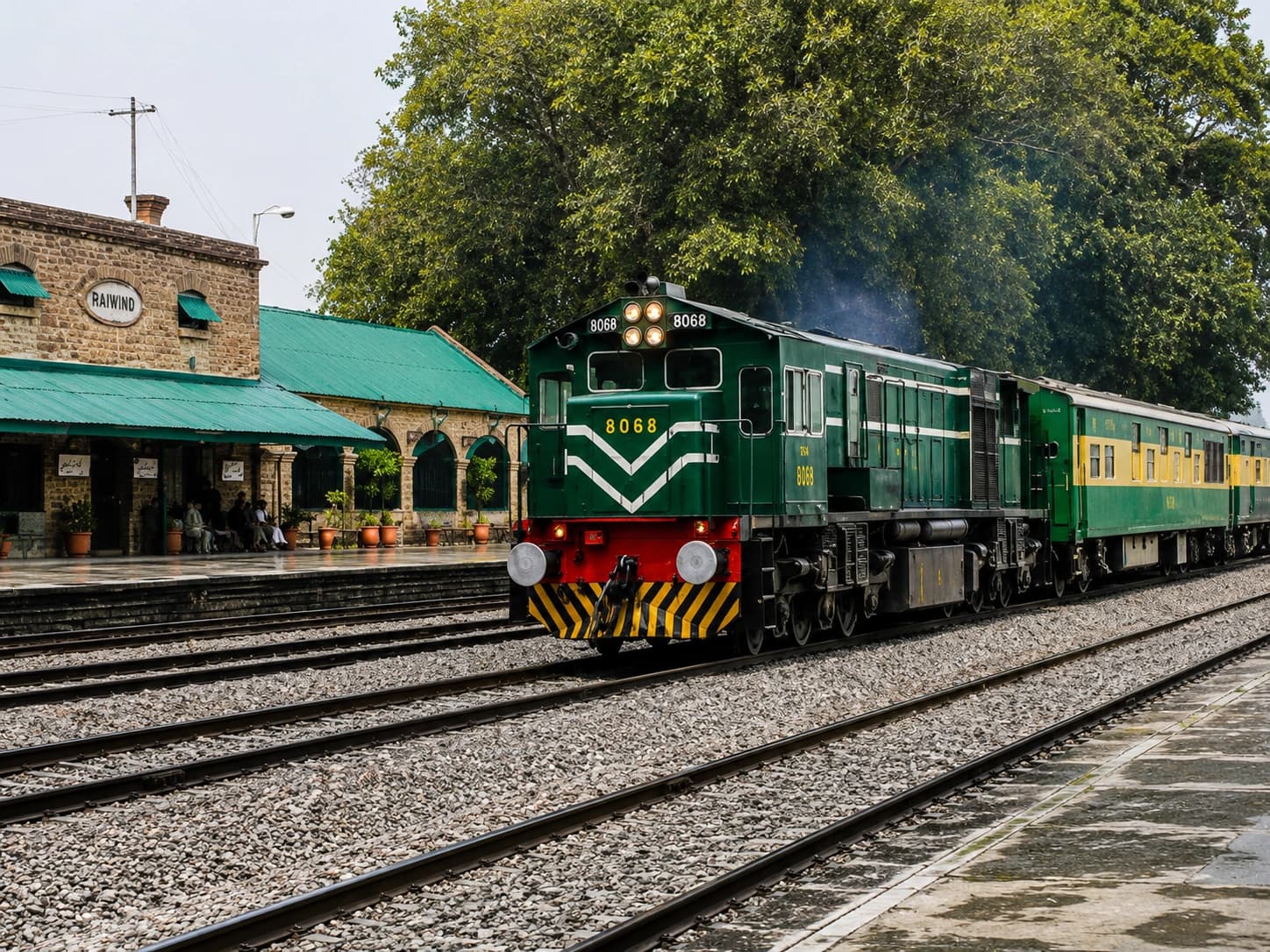
The Ministry of Railways has signed a major deal where five trains for passenger services will be handed over to the private sector through a PPP arrangement. The step is part of Pakistan Railways privatization which is currently underway.
These five particular corridors have been yielding Rs8 billion annually when managed by the state. With these new agreements with private business corporations, the total annual income would increase to Rs10.75 billion immediately, resulting in an additional Rs2.75 billion for Pakistan Railways.
Extending the Public-Private Partnership Matrix
Some of the long-haul train routes that have been assigned to private business entities include the Awam Express, the Karakoram Express, and the Millat Express. Additionally, other train routes managed by private firms include the Narowal Passenger Train and the Mianwali Express.
The plan is for the government to give out 15 passenger train operations this year to the private sector. The agency had actually already solicited expressions of interest from various private companies who were eligible for the bidding process.
Following competitive bids, the following are the 10 trains that are scheduled to take part in this procedure:
- Hazara Express & Karachi Express
- Fareed Express & Bahauddin Zakariya Express
- Ravi Express, Lasani Express & Thal Express
- Sukkur Express, Sialkot Express & Faiz Ahmed Faiz Passenger train
According to the ministry, the above-mentioned 15 outsourced trains are expected to earn Rs24.7 billion per year.
ALSO READ: Karachi Circular Railway Revival: Sindh and Centre Finally Seal the Deal After 30 Years
Revenue Generation from Station Properties and Expansion of Freight Services
The Pakistan Railway Department is making efforts towards commercialization of its extensive properties. The department rents out excellent space at important railway stations for use as dining cars, kitchen areas, parking lots, platform ticket booths, and corporate advertisements.
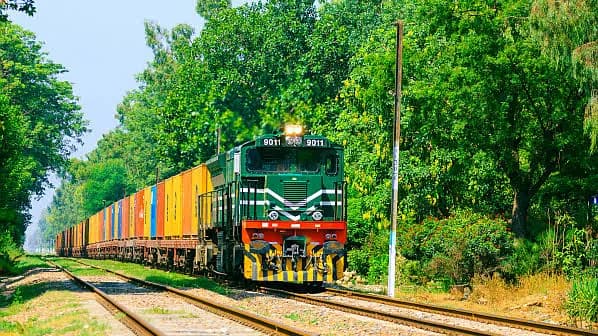
This administration is also aggressively scaling up its profitable freight business. Nine trains operate daily carrying about 22,000 tons of industrial goods, generating a daily revenue of Rs151 million on average.
The plan is to introduce dedicated freight operations for edible oil and automobiles by December 2026. This strategic move towards increasing cargo transportation is expected to enable Pakistan Railways to generate revenue worth Rs38 billion per year.
Rising Profit Margins and Ensuring Operational Profitability
Previous outsourcing efforts failed due to lack of interest in the market; however, the present administration has fostered a very lucrative atmosphere for corporate investors. In the past five years, the outsourcing of 41 luggage and brake vans increased profits from Rs1 billion to Rs6 billion.



Leave a Reply
Your email address will not be published. Required fields are marked *