
Pakistan Plans New Charges on Industrial Solar Users Under Proposed Tariff Reform
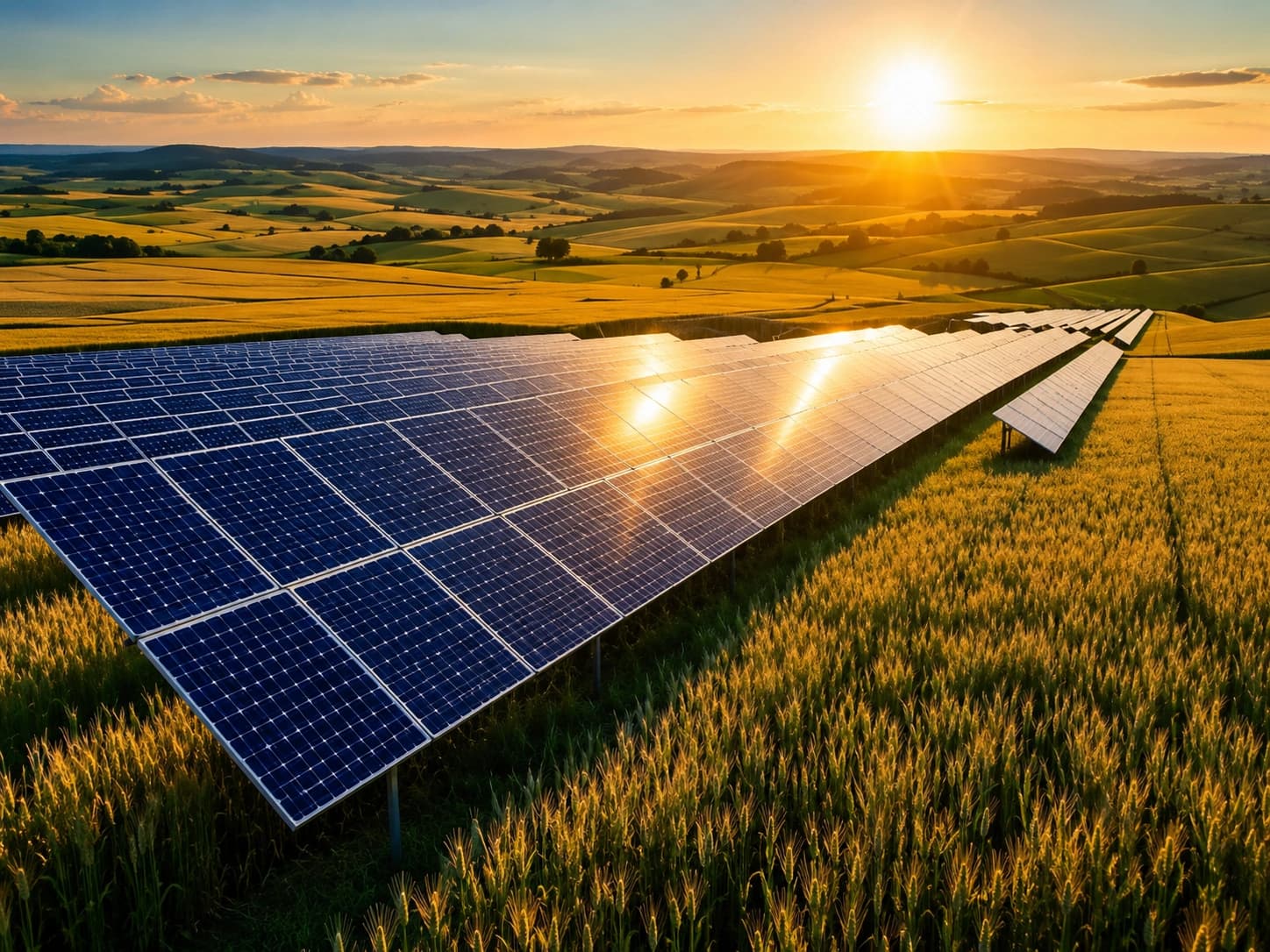
ISLAMABAD: The government showed the IMF a new industrial electricity tariff plan. It favors high grid usage and hits low users with hefty fixed fees. Those who switched to solar or captive power will suffer most. Implementation could start in about two months.
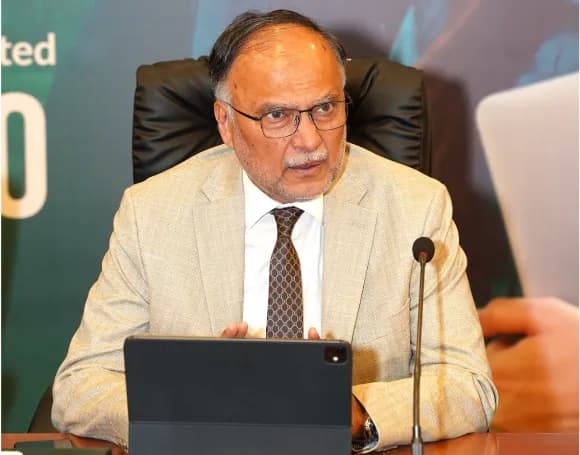
Pakistan's Power Division shared a new tariff framework with the International Monetary Fund, changing how industrial electricity consumption is priced. For 2026, the proposed rates for solar-shifting industries work like this: the more you use from the grid, the less you pay per unit. But if you use less, you still face higher fixed charges, no matter how little power that is. Recently, Power Minister Sardar Awais Laghari showed this plan to the IMF. Plus, a Power Division spokesman said they might implement it in about two months after getting the needed approvals.
How the Two-Part Tariff Actually Works
The two-part industrial tariff in Pakistan for 2026 mixes reward and punishment in one bill. It breaks electricity costs into a fixed charge and a variable charge. The fixed charge, which is already big, spikes for companies with high grid access but low usage. At the same time, the price per unit drops for those using more electricity.
This sets a tricky situation for businesses. If they rely on solar power or their own electricity generation, they still have to cover the pricey fixed charge for their grid connection. Now, this part of their cost got even higher.
So, while the per-unit rates went down, the increase in fixed charges effectively penalizes companies not tied tightly to grid dependency making alternative energy investments seem less worthwhile.
The grid defection crisis behind the numbers
The grid defection crisis behind the numbers reveals Pakistan's national grid facing a much worse situation than most people think. The power sector incurs huge fixed costs, paying power plants just for existing, not just for generating power. That's because Pakistan overprepared by building extra capacity that wasn't needed. Projections were way off, and economic growth plus people leaving the grid shrunk consumption. So spreading these costs gets harder every day.
The power minister laid out the structural issue clearly: fixed costs make up 75% of power generation expenses, while actual electricity use is only 25%. Industrial consumers pay the highest rates and essentially subsidize others. But when these big players leave the grid for solar or captive gas power, the fixed costs pile onto those who stay behind. As more industrial users go, the leftovers get slapped with bigger bills. This creates a loop where more and more exit, making the situation worse. To break this cycle, Pakistan created the two-part industrial tariff solar policy in 2026.
Optional for now mandatory later
The Power Division spokesman said Pakistan's two-part industrial tariff is optional, not mandatory, right now. During this phase, industries that boost their grid usage by more than 50% of their sanctioned load can get access to lower per-unit costs. This could make Pakistani industrial electricity compete internationally at six to seven US cents per kilowatt-hour. The plan would help continuous-process industries and energy-intensive sectors the most since they need steady and large amounts of power for their operations.
The spokesman admitted the policy could impact future investments in captives and solar too. If daytime grid costs reach the levelized solar energy price as the Power Division says could happen — the economic case for new solar investments weakens. But existing setups vary. Still, all in all, growth might face more hurdles because of this policy.
The Uncomfortable Truth This Policy Cannot Avoid
The Pakistan two-part industrial tariff solar penalty of 2026 tries to fix a real issue, but it misses the mark. Fact is, industries left the national grid because the electricity prices soared due to bad policies over many years. Blaming industries for seeking cheaper options isn't fair making the grid more appealing would've been smarter. Driving up costs for leaving the grid isn't the same as actually fixing the underlying problems. Building a sustainable power sector requires addressing those root causes, not just punishing businesses for looking out for themselves financially.
The government thinks offering lower per-unit tariffs for high consumption will work better than increasing fixed charges for low use. How industries react whether they start using grid power more or speed up their move away before the policy takes effect will show if this experiment works or actually worsens the issue it aimed to stop.




Leave a Reply
Your email address will not be published. Required fields are marked *