
Pakistan's Power Sector Circular Debt Hits Rs1.74 Trillion
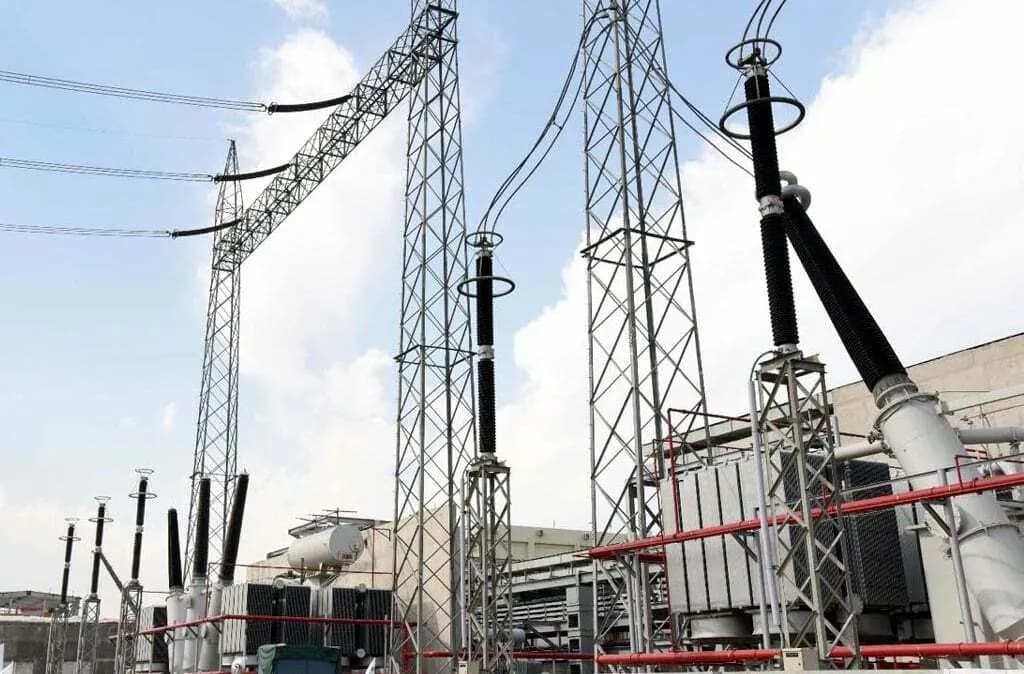
The power sector circular debt of Pakistan has breached its limit of Rs1.6 trillion as set up with the International Monetary Fund and now stands at Rs1.74 trillion, a breach amounting to Rs130 billion. The Pakistan power sector circular debt Rs1.74 trillion breach came despite the fact that Rs350 billion was released by the government in order to ease the pressure of circular debt.
It is currently looking into taking further steps in order to ensure that circular debt falls back within the limits set by the IMF before the next economic review. Officials are hopeful that Rs1.6 trillion can be achieved in the coming period.
The Rs1.74 trillion amount of Pakistan’s power sector circular debt demonstrates failure to reach a goal of zero inflow of money. According to Pakistan’s economic group, it has been agreed with the IMF to maintain a policy of zero inflow but keep the overall amount of circular debt at Rs1.6 trillion. Thus, it was expected to balance an estimated Rs400 billion increase in circular debt by the same amount of government subsidies.
There were two errors that occurred. The actual amount by which the circular debt rose was Rs480 billion, an excess of Rs80 billion from the estimated amount. The second error occurred when the government’s payment amounted to Rs350 billion, Rs50 billion short of the initial budget allocation.
ALSO READ: Nepra Approves 269MW Hybrid Renewable Project at Dhabeji
Reasons Why Power Sector Circular Debt Increases Continuously
There is an ever increasing circular debt issue of Rs1.74 trillion in Pakistan's power sector, which is a structural problem due to the continuous existence of causes behind the circular debt despite any payments made by the government. The reason why circular debt increases are the following:
Electricity rates are not enough to cover the costs incurred in production, transmission, and distribution of the electricity, with the government covering the gap through subsidies that may not be timely or sufficient
Electricity distribution companies receive money less than what they charge due to losses, theft and failure of some consumer categories to make payment
Electricity generation companies receive insufficient amounts or delay of payments, hence delaying payment to the fuel suppliers, thus creating the circular chain, which is where the name comes from
The capacity payment is more than the amount of electricity used due to IPP agreement structure in which Pakistan is supposed to pay for the contracted capacity even if it is not used
The Pakistan power circular debt breach of Rs1.74 trillion is a particular issue for Pakistan's IMF programme as the Rs1.6 trillion limit had been established as a firm commitment. This represents a programme deviation which the IMF will evaluate as part of their next review of Pakistan's programme.
In addition to this, there is the issue of the Rs1.7 trillion worth of gas sector circular debt for which Pakistan and the IMF have yet to agree on how to account for it – as loss or as a receivable. The combination of both gas and power circular debt problems in one IMF programme review makes for a more difficult negotiation process for Pakistan's economic policymakers.
Circular debt of the electricity sector in Pakistan at Rs1.74 trillion is part of a much wider situation regarding circular debt in the overall energy sector of the country. There is an estimated circular debt of Rs3.3 trillion in the gas sector alone, Rs1.7 trillion of which is currently in dispute with the IMF. In total, the circular debt of both the electricity and gas sectors comes to around Rs5 trillion.
As long as tariff reforms, improvements in the losses incurred in electricity distribution, and re-negotiations with independent power producers fail to reduce the flow of the circular debt, monetary injections from the government will continue to be the only effective means of dealing with the growing problem.


Leave a Reply
Your email address will not be published. Required fields are marked *