
Pakistan Among World's Highest Interest Rate Economies Despite Significant Easing — Economic Survey
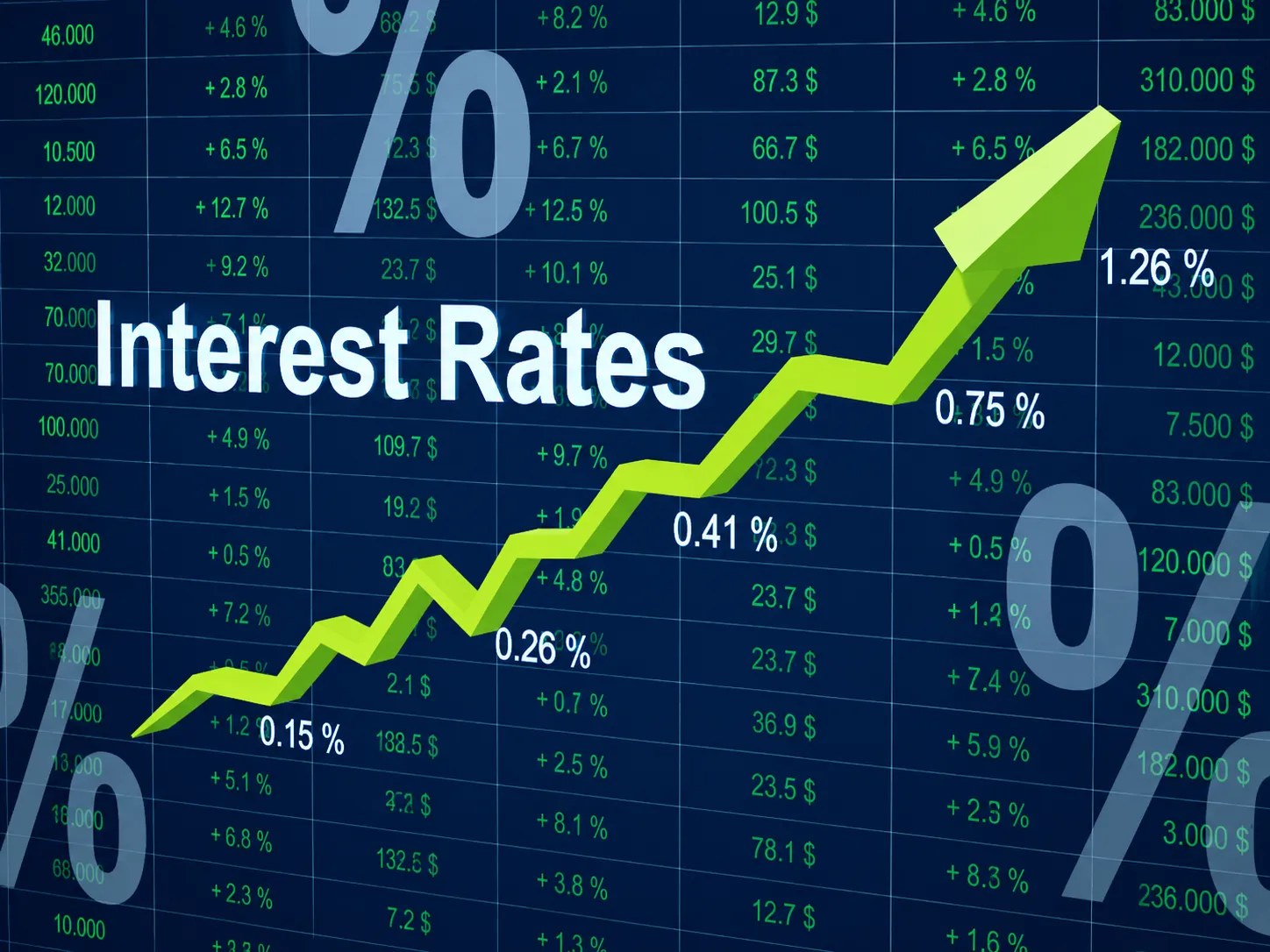
ISLAMABAD: Monetary easing in Pakistan during the last two years has been fairly substantial, in that the State Bank of Pakistan brought down its benchmark policy rate from a high of 22 percent in December 2023 to 11.5 percent by April 2026. But, despite such a sharp fall, Pakistan is still one of the countries with the highest interest rates in the world higher than those in most of its neighboring countries, all major advanced countries and every Asian central bank except India as per the Pakistan interest rate global comparison 2026 report of the Economic Survey of Pakistan 2025-26.
This shows that the path of monetary policy has seen substantial easing, but at the same time, it is bound by the need for inflation control, exchange rate stability, and macroeconomic program obligations due to the IMF's Extended Fund Facility.
The rise of 1.0 percent in April 2026 from 10.5 percent to 11.5 percent marked the undoing of a certain percentage of the policy rate easing cycle, brought about by the effects of the Iranian-US conflict in the Gulf Region that led to increases in oil prices.
Why is Pakistan's Interest Rate So High?
The interest rate gap between Pakistan and its neighboring countries indicates the specific issues that continue to be faced by the SBP and have not been addressed yet:
Inflation control: the CPI inflation rate in Pakistan has reached the level of 11.7 percent in May 2026, which was the highest rate since June 2024. Although it has eased significantly from the 38 percent rate observed in 2023, the level of inflation is still so high that Pakistan needs to pursue the positive real interest rate strategy that has already been implemented in developed countries.
Exchange rate: the vulnerability of Pakistani rupee to the external factors, as shown in case of the oil prices' fluctuations due to the Iran-US tension, forces the SBP to retain certain interest rate differentials to make rupee assets attractive and prevent capital outflows.
Conditionality of the IMF program: the Monetary Policy Conditionality included in the Extended Fund Facility program of Pakistan suggests the pursuit of positive real interest rates.
"However, the relatively tight monetary policy pursued by the SBP is due to a prudent strategy that aims to control inflation, stabilize exchange rate and ensure positive real interest rates, as Pakistan's economy gradually recovers."
Economic Survey of Pakistan 2025-26
ALSO READ: Every Pakistani Can Now Buy Govt Securities Through SBP InvestPak
Consequences of the Pakistan interest rate global comparison 2026 for the country’s economic development path revealed by survey statistics but not measured in full by them include the following:
Private sector credit: where formal business borrowing costs in Pakistan of 11.5 percent are much higher than those for Chinese businesses of 3 percent, Indian firms of 5.25 percent, or Malaysian businesses of 2.75 percent. Such difference increases production costs, decreases viability of marginal investments and impedes private-sector growth, which is an aim of the IMF programme in Pakistan.
Cost of government borrowing: Pakistan’s domestic debt payments, one of the biggest expenses in the federal budget are directly dependent on the policy rate. Reduction of the policy rate in 1 percent results in decreased interest payments for the domestic debt of the floating rate of Pakistan government.
Consumer credit: where mortgage interest, auto loans and other types of consumer credit depend on the policy rate. Where formal consumer credits are unaffordable for most Pakistani families due to the current 11.5 percent policy rate plus banks' spread.
The difference between the interest rate of Pakistan in comparison to other countries in 2026 will continue narrowing down as long as inflation continues falling to the target range of the State Bank of Pakistan. If the Finance Ministry forecast of an average 8.2% inflation in FY27 is met, then Pakistan can expect to move its interest rates towards that of its neighbors without losing control on its inflation or currency.
The trend for Turkey from 47.5 percent in December 2024 to 37 percent in April 2026 shows that drastic cuts can be achieved if the conditions of inflation permit, while the experience of Pakistan from 22 percent to 11.5 percent during the same time frame proves that the SBP is not reluctant to do so.

Leave a Reply
Your email address will not be published. Required fields are marked *