
Cement Sales Roar Back: Pakistan's Housing Boom Ignites July Demand
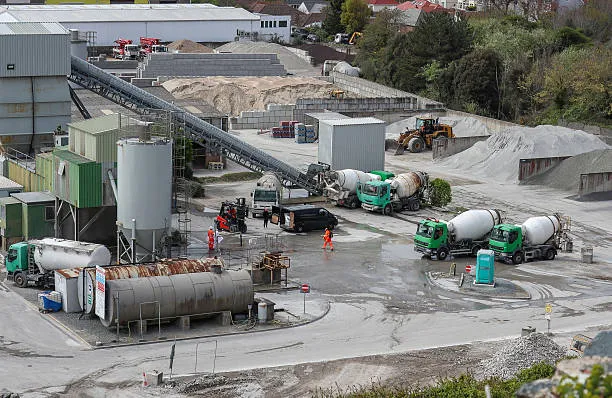
KARACHI: Pakistan Cement dispatches will hit 3.59 million tons this month, an 11% jump from July last year, based on trade figures covering the first 19 days of July. Mills moved 2.1 million tons domestically in that stretch alone. Builders are buying again, and the demand looks tied to actual construction picking up, not a temporary rush.
The North and South are behaving differently. Northern plants sold 100,000 to 103,000 tons a day during the first week's working days, dropped to 98,000 tons in week two, then climbed back to 106,000 tons a day as week three began. Southern mills barely moved off 20,000 tons a day the entire time. Rain slowed northern sites down mid-month a familiar monsoon pattern that usually clears by August.
Monsoon Slows Sales
Compare July to June and the growth shrinks fast. Local sales are up just 1% month-on-month, and the North alone will post a 3% drop from June, mostly because monsoon rains keep crews away from concrete pours.
Also Read: Bestway Cement Profit Climbs Despite Weakening Core Business and Shrinking Margins
Exports are the weak spot. Overseas shipments will fall 30% from last July and 11% from June, landing at 0.70 million tons. Northern manufacturers lost their route into Afghanistan this year, and that gap alone explains most of the drop. Add exports to local sales and total dispatches reach 4.29 million tons up 2% from last year but down 1% from June.
FY26 numbers back up the bigger trend. Pakistan shipped 50.52 million tons of cement total over the year, up 7%, with domestic sales alone rising 10%. Plants are running harder too total capacity utilization hit 61% in July versus 60% a year earlier, and local-market utilization jumped from 46% to 51%. Mills that sat idle for years are starting to work again.
Prices Continue Rising
Buyers are paying more for it. Retail cement prices climbed 5-6% year-on-year, reaching Rs1,502 a bag in July, up from Rs1,414 last July, according to weekly Pakistan Bureau of Statistics data. Fuel and transport costs are driving most of the increase.
Analysts expect domestic cement demand to grow 8% in FY27. If July's numbers hold, that forecast looks less like optimism and more like a straight continuation of what's already happening on the ground.




Leave a Reply
Your email address will not be published. Required fields are marked *