
South Air Plans to Connect Pakistan’s Northern and Remote Regions

The addition of Gilgit, Skardu, Chitral, and Turbat by South Air into their domestic route map is one of the most notable events in terms of aviation in the region of Pakistan in the past few years, but for those who have been waiting for many years for an airport, this is just the beginning.
It is expected that South Air will be expanding its internal network by connecting Gilgit, Skardu, Chitral, and Turbat, as part of its route expansion plan designed to fill the long-standing gap of regional connectivity in the country. In other words, the airline's decision was driven by the desire to connect several cities which lacked adequate scheduled flights due to geographical as well as economic barriers.
The news comes at an important juncture for the domestic aviation industry in Pakistan. Since Pakistan International Airlines has reduced its services on many marginal routes over the past few years, it has presented a tough task and an excellent business opportunity for the private airlines to fill this gap, which South Air seems to be aiming to exploit.
Connectivity Crisis Right Under Our Noses
The rationale behind expanding the South Air route system beyond what can be described simply as ambition is because there is proof that the previous attempts to meet their needs have been failures. The entry points into Gilgit Baltistan are Gilgit and Skardu, which hosted more than one million tourists in the year 2024. The number of planes flying to these destinations is restricted at the peak of summer as tickets sell out very fast prior to the date.
The revenue of Pakistan’s northern tourism industry has been estimated at Rs. 50 billion last year, of which Gilgit-Baltistan has contributed close to 40%. It has been identified over and again that lack of air connectivity is the biggest structural issue facing the development of this industry. A working air connection between Karachi/Lahore and Skardu would take traveling time from close to 20 hours through road transport to less than two hours by flight.
Chitral: where air connectivity is a question of life and death
Out of the four destinations featured in the South Air expansion project, Chitral might very well be the one that poses the most pressing humanitarian challenge. In fact, the Lowari Pass – which acts as the main link by road for the region – shuts down due to heavy snow during several months every year, thus cutting off access between Chitral and the rest of the country.
A regular commercial air link to Chitral will be an assurance of something that the district has never had reliably before. This is not an improvement for the people but rather a new way of life altogether for them.
ALSO READ: Emirates Names First Emirati Women Captains to Command Boeing 777
Aviation deficiency in Turbat and Balochistan
The addition of Turbat to the extension of the South Air Route has a unique political and economic significance for Pakistan. As the biggest province in Pakistan by land area, Balochistan has always received very few investments for aviation relative to its political and economic importance. The airport of Turbat is fitted with category II ILS, meaning it is ready for commercial airliners. The only issue here was the absence of an airline that will operate in this airport.
With the simultaneous move by the government to build a mineral security corridor in Balochistan, there is a new need for air travel for officials, engineers, and business travelers. The inclusion of Turbat in the flight route by South Air is an indication that it sees the commercial future of the province in a way that was difficult for private operators to envision in the past.
Practical considerations curb any enthusiasm
The industry has embraced the ambitious nature of this plan for expansion of the South Air network but understands that the gap between the declaration and the achievement of regular operations on this particular network is usually not small. Mountain passes like those in Skardu and Chitral require certain types of aircraft and specially trained crew who have to adjust operations depending on the weather, a factor which does not apply in routine domestic flights.
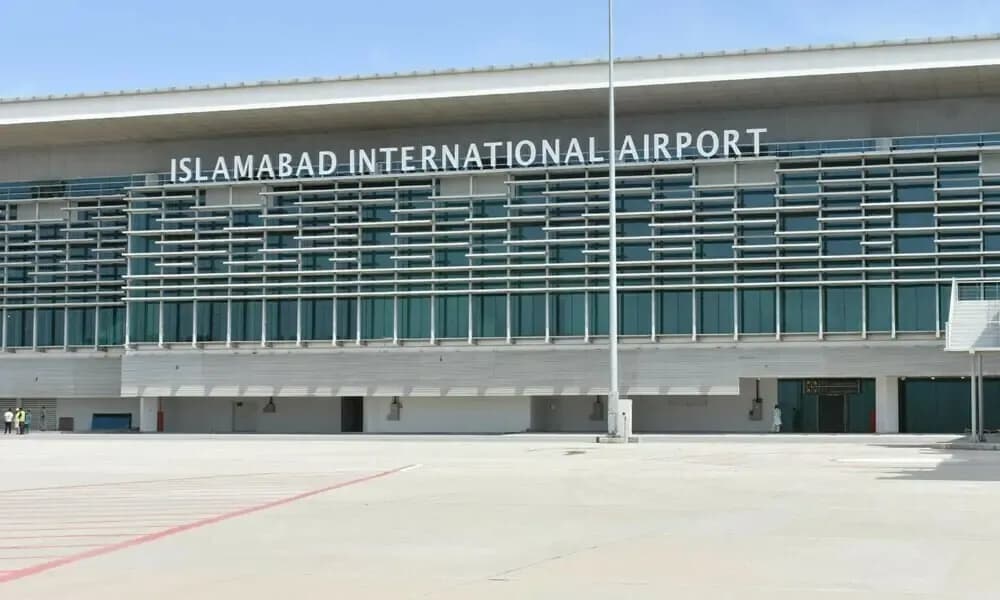
Coordination of slots in Islamabad airport, which is the most probable node for northern services, poses another challenge. The airport works under continuous pressure regarding availability, and new operators of services within the region face difficulties in finding a place due to the limited room for last-minute schedule adjustments. The launch date, frequency, and pricing strategy for all four routes are yet unknown for South Air.
What the expansion will have to provide for passengers
The impact of the expansion of the South Air routes is very tangible for ordinary citizens of Pakistan. A business traveler flying from Karachi to Turbat must expect to travel via two other cities including Quetta, and that trip would eat up an entire day of their work schedule. An individual looking forward to traveling to Skardu in the month of June cannot possibly find seats in the airline because they have been sold out long before then and prices have become unreasonable.
Policy alignment and what lies ahead
The Civil Aviation Authority of Pakistan has included the enhancement of regional connectivity as an area of importance for Pakistan’s national aviation strategy within consecutive five-year development plans. The objective itself is clear-cut. However, the reality behind its achievement is another matter entirely. The introduction of South Air routes falls in line with policy, yet this does not necessarily equate to success.
The availability of regulatory backing, preparation at destination airports, and South Air’s own aircraft commitment will each be critical factors in determining whether this development changes regional connectivity or merely becomes yet another of many well-meaning plans that never came to fruition.



Leave a Reply
Your email address will not be published. Required fields are marked *