
Nestle Is Lobbying US to Replace 'Ascorbic Acid' With 'Vitamin C' on Food Labels
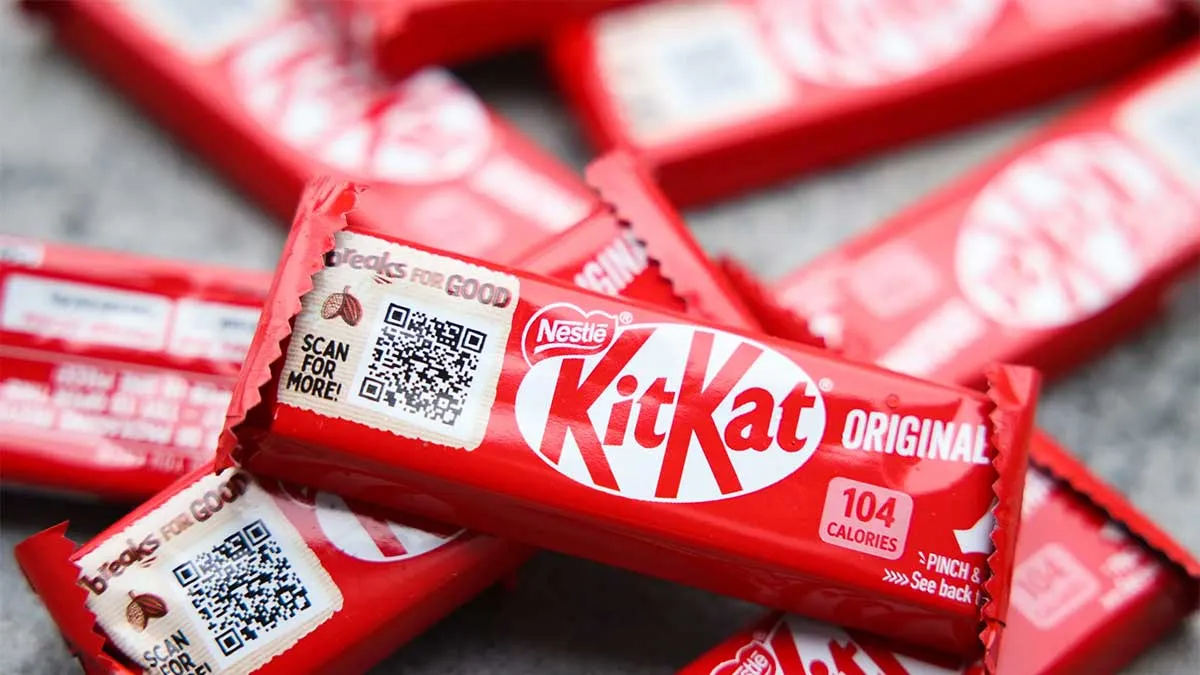
VEVEY: Nestlé is pushing U.S. food authorities to allow the use of everyday language in its list of ingredients. The producer of Nescafé and KitKat claims that although there are chemical names and familiar terms describing the very same ingredients, the reactions of consumers are very much different.
"Sometimes the way we have to describe ingredients in the US can make it seem like we are talking about some Frankenstein foods. Actually, this is just a natural ingredient that we call by a natural name."
Former Nestle executive
This campaign has not yet been documented. It is aimed at the Health and Human Services agency headed by Robert F. Kennedy Jr. The “Make America Healthy Again” program by Robert Kennedy Jr. has opened up the food labeling regulations which Nestle along with its partners believes to be an opportunity for change.
Both ascorbic acid and beta-carotene occur naturally and are used commonly while being approved by regulatory agencies. Both cause concern among consumers when referred to by their chemical names, which Nestle claims is an exaggeration, misinformation, and harmful to its products that are not essentially different than products carrying other names.
"We aim to minimize any ingredients that are unknown to consumers as much as possible without jeopardizing the safety and performance of our products."
Stefan Palzer, CTO, Nestle
The simpler Nestle food labels in US campaign is due to the difference in regulations between American and European labeling laws.
In Europe, labeling of ingredients is according to the use made of the ingredient. Billions of dollars have been invested by the food industry in getting rid of artificial colors, preservatives, and other food additives because of changing consumer consumption behavior.
ALSO READ: Nestlé Pakistan Water Business Set to Join New Global Joint Venture
Data Behind The Campaign For Simpler Labels
Nestle simpler food labels campaign from Nestle for simpler food labels in the US is motivated by consumer behavior data with serious business implications. It is estimated by a report from Innova Market Insights that about three out of four consumers in North America change their mind when ingredients are mentioned on product labels. Consumers look for products with simple ingredients.
Nestlé's explanation does not go unchallenged. The public health proponents say that the ability to use common names instead of scientific terms would create confusion and not transparency, which would allow big food firms to add ingredients into their foods while consumers will have no opportunity to do any research on these ingredients.
The problem is simple. "Vitamin C" could be ascorbic acid in its capacity of a vitamin; alternatively, it could be ascorbic acid as a preservative, as an antioxidant, or as a color stabilizer. The purpose changes while the ingredient stays the same, and the European style of function labeling which shows the purpose of the ingredient could provide a lot of value compared to both approaches used now in the US.
Nestle's food labeling initiative in the US is not a single front battle. It works through industry groups that comprise some of the largest food and drink firms in the world:
Americans for Ingredient Transparency group
International Food Additives Council
Some of these firms are Nestle, Coca-Cola, PepsiCo, and Cargill
These organizations feel that the use of technical names for ingredients is unjustified since these ingredients are common and safe, and hence this attempt by Nestle to simplify food labels can be seen more as an information provision to consumers and not less transparency for the company.
The United States Department of Health and Human Services has not taken a definite stand regarding the issue. In this respect, a spokesperson said that the department will continue to work with various stakeholders in the food industry in order to ensure that Americans make sound judgments about their food choices.
Whether such engagement leads to the adoption of Nestle’s desired labeling change, or whether public health proponents manage to convince regulators that simpler names imply less information, will determine whether Nestle’s simpler food labels US campaign will succeed in its regulation aim while under RFK Jr.’s supervision.





Leave a Reply
Your email address will not be published. Required fields are marked *