
Trump Hits Pakistan With 10% Forced Labour Tariff
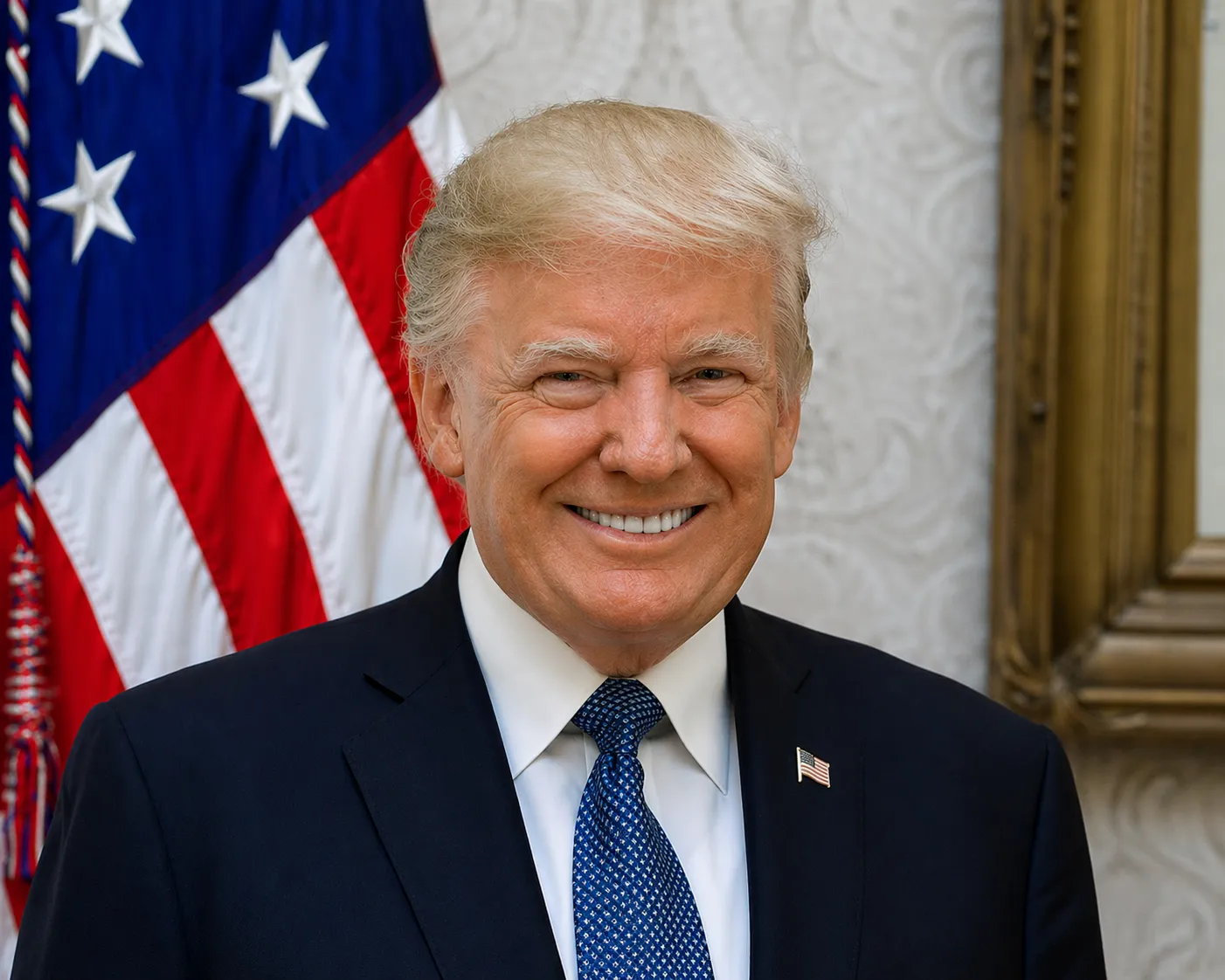
WASHINGTON: The current U.S. President Donald Trump has imposed new tariffs of 10 percent and 12.5 percent on goods of 60 trading partners, such as Pakistan, European Union, China, India, Bangladesh, and Sri Lanka, under the Section 301 of the Trade Act of 1974 for enforcing the ban of imports with forced labour. Pakistan US forced labour tariff 10 percent came into effect on Friday at 12:01 a.m. EST, coincidentally exactly when the former temporary 10 percent global tariff ended after 150 days.
This is no coincidence. The duties apply to 99.4 percent of all US imports, almost exactly the same as the expired worldwide tariff, but based on a new legal basis that the government feels is much stronger than the one challenged by courts in the reciprocal duties of President Trump in February 2026.
Countries and Tariffs — Pakistan's Position
The country is dealing with 12.5 percent of forced labor along with other tariffs imposed by Trump in his first term and second term truce deal. The administration has communicated to the Chinese government that it plans to reinstate tariffs on Chinese products to reach a level of 20 percent, which was agreed upon in the trade truce of November 2025.
The Legal Basis – The Relevance of Section 301
The 10 percent US tariff on Pakistan on forced labor issues falls under the Trade Act of 1974, Section 301, an Act specifically chosen by the Trump administration since it has been able to survive judicial challenge unlike the "national emergencies" Act declared invalid in February 2026 by the Supreme Court.
"The moment these 301 duties are imposed, there’s quite a bit of room for them to manipulate those duties. This is a sledgehammer approach. It’s also aimed at preserving the 10% floor, and they feel that they’re pretty safe in terms of defending this in court."
Ryan Majerus, trade attorney and former Commerce Department official, King & Spalding
The resilience of the law behind the use of Section 301 makes it fundamentally different from the reciprocal tariffs which it replaces effectively. It would be much more difficult for the trade partner and their lawyers to get an injunction on the implementation of the Section 301 than on the implementation of the emergency law tariffs.
The United States Government’s Version vs. The Critics’ Version
The move was characterized by US Trade Representative Greer Jamieson as follows:
“The United States has had a ban on forced labor imports for almost a century, and enforces it strictly. It is now long overdue for our trading partners to follow suit. Today’s move will begin correcting an issue that is both an abuse of human rights and a distortion in trade practices.”
Greer Jamieson, US Trade Representative
The trading partners quickly responded. The EU’s foreign affairs and security policy head Kaja Kallas said the move was a “shock” and refuted the reasons for this move:
“If you compare our labor laws with that of the United States, we have paid vacation, we have very good labor standards for our workers.”
Kaja Kallas, EU Foreign Policy Chief
ALSO READ: Trump Threatens 100% Tariff on Every Country That Taxes US Tech Giants
What Gets Exempted — And How That Impacts Pakistan
The Pakistan US forced labor tariff 10 percent applies widely but with some specific exceptions which have direct bearing on Pakistan's exports:
Exempted goods are as follows:
Oil and gas
Fertilizer
Selected food products
Steel, aluminum, and copper (under Section 232)
Cars and car parts (Section 232)
Aircraft and parts
Critical minerals
USMCA qualifying goods (North American supply chain)
Effect of US Tariff on Pakistan Exports
This 10 percent Pakistan US forced labor tariff is on a nation which has been continuously growing its exports of textile products, apparels, and other manufacturing items to the US markets, benefiting from trade diversion as US buyers reduced reliance on Chinese exporters.
This tariff of 10 percent will directly increase the cost of Pakistani exports when delivered into US markets. The increased cost of 10 percent on goods that fall under the category of apparel and home textile, which have slim profit margins, can be a big number, and orders from US buyers may go to countries that do not impose any such tariff.

Leave a Reply
Your email address will not be published. Required fields are marked *