
Pakistan's Major Hydropower Projects Have Ballooned in Cost
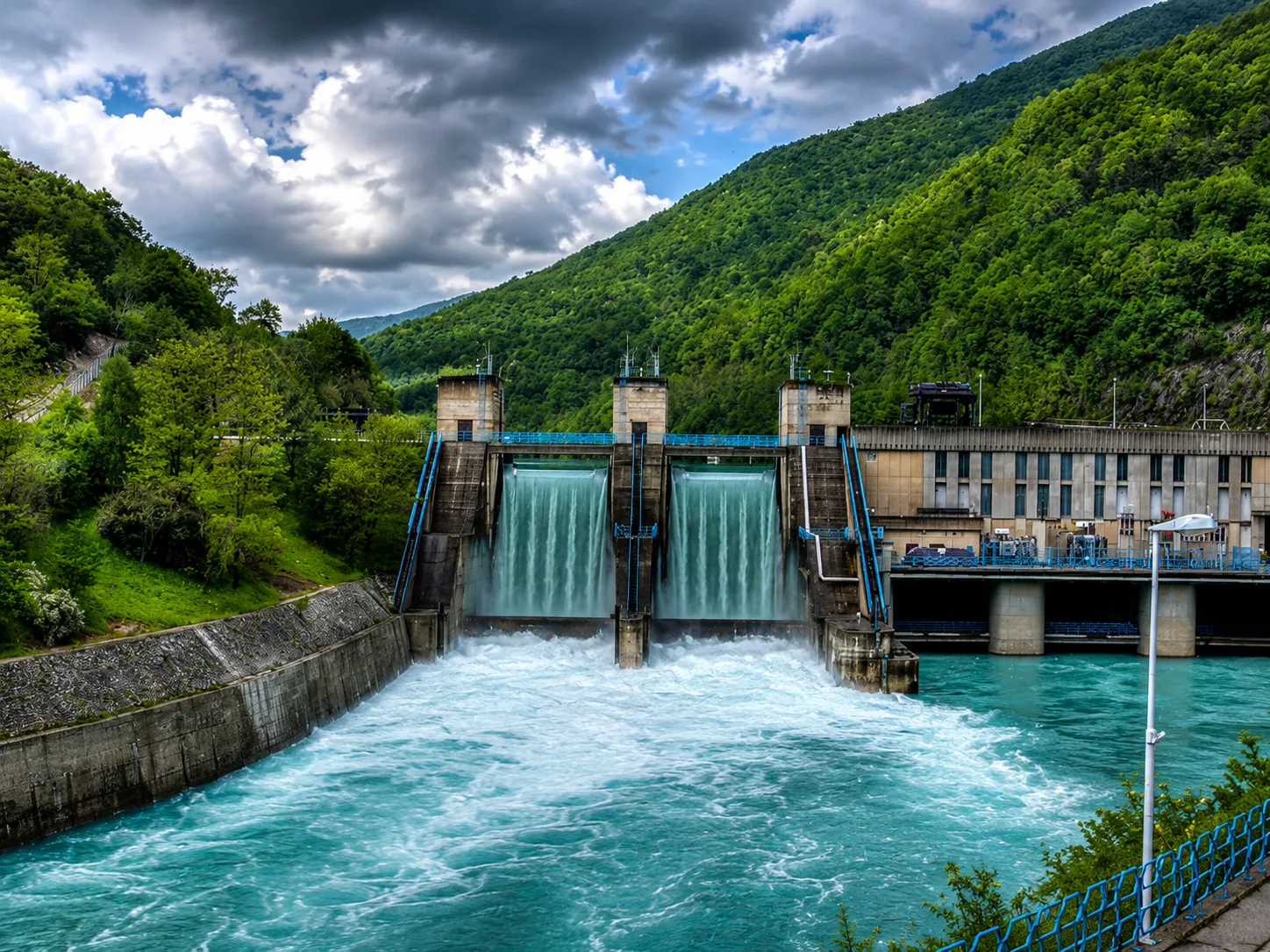
ISLAMABAD: The key hydropower projects of Pakistan have been subject to cost escalation to such an extent that the basic financial structure of those projects has changed completely, with some projects costing up to four times what they were initially budgeted for.
The Ministry of Water Resources has officially reported that the cost escalation of Pakistan hydropower projects in case of Diamer Basha Dam, Mohmand Dam, Dasu Hydropower Project, and Tarbela 5th Extension Projects is caused due to a number of reasons including currency devaluation, inflation, security costs, changes in design and time schedule.
It is clear from the Pakistan hydropower projects cost escalation table that none of the large water projects has escaped cost overruns – and it is the two least expensive projects that have had the highest percentage increase in costs.
The escalation rate for the Tarbela 5th Extension Project is the highest amongst all projects, increasing from its sanctioned cost of Rs82,360 million to Rs316,410 million, an escalation of 285 percent. This is primarily due to the following reasons, according to the Ministry:
Price index changes: the original PC-1 was formulated on prices of 2014
Currency depreciation: from Rs102.543 to approximately Rs281 per dollar
Changes in civil, electro-mechanical and transmission contracts: reflecting present market scenario rather than that of 2014
Enhanced designs and increased project duration resulting in increased costs
ALSO READ: Will PM Approve Rs40bn to Finally Complete Karachi's K-IV Water Project?
The financial escalation of costs of the Pakistan hydropower projects is the largest in absolute terms, increasing from Rs486,093 million to Rs1,737,881 million, resulting in a cost escalation of Rs1.25 trillion.
Ninety percent of the cost escalation is due to uncontrollable reasons such as foreign exchange loss, cost escalation, enhanced security, social safeguards, and interest during construction.
This is an increase of 134 percent from the previous estimate of Rs479,686 million to the current estimate of Rs1,121,934 million pending approval for revision by the Ministry. The reasons for the change are:
An outdated PC-1, based on the 2016 December price indices
Currency devaluation from Rs105.3 per dollar to Rs280 in 2025
A revision of contract prices for MW-1 civil works and consultancy
Changes in design due to updated ICOLD guidelines
Thor project colony costs, external security costs, helicopter service costs, and the Chilas Safe City project costs
Phase I of the Greater Karachi Bulk Water Supply Scheme had a more moderate percentage increase in cost of 36%, though this increase carries with it a definite structural weakness. According to the Ministry, Project K-IV has a high dependence on imported items, such as pumps, motors, HR Coils, valves, mechanical and instrumentation equipment, which makes it susceptible to exchange rate fluctuations from Rs178 to Rs282 per dollar.
In addition to the cost escalation for Pakistan's hydropower projects, there is another issue that goes hand-in-hand with these numbers. According to the Audit Report of 2024-25 issued by the Auditor General of Pakistan, there are financial discrepancies of many billion rupees in WAPDA's hydropower projects.
It is the coexistence of the legitimate uncontrollable external factors and the financial discrepancies documented by the auditor general that adds to the complexity of the situation. It is not possible to justify all the Pakistan hydropower projects cost escalation simply by citing currency depreciation and inflation.
Escalation in the cost of the hydropower projects in Pakistan has a common cause for all the projects affected by the problem: The PC-1 reports that were generated using price indices and exchange rates that had nothing to do with the actual costs of the project, which were incurred many years down the line when the project was implemented.
Projects whose approval depended on the cost estimates of 2014 or 2016 and which were implemented using rupees of the year 2025 with inflated material prices were destined to be over-budget from the very beginning. Pakistan needs to change the way in which the costs of infrastructure projects are estimated, reviewed, and approved.


Leave a Reply
Your email address will not be published. Required fields are marked *