
QUETTA: Climate change is causing depletion of aquifers, collapse of karez systems, and floods that render the villages without any source of water, as Balochistan, a province with 2.5 million people in Quetta only, faces an infrastructure meant for 80,000 people.
In Balochistan, there is an unfolding water crisis which refuses to fit into one story. The water table drops by two to five meters annually in Quetta, necessitating the payment of Rs3,000 to fill the tanker where the people do not even have enough money to purchase the water from. In Nasirabad, floods destroy entire villages, yet the people walk many kilometers just to obtain water to drink.
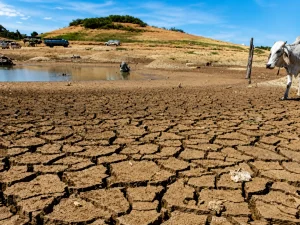
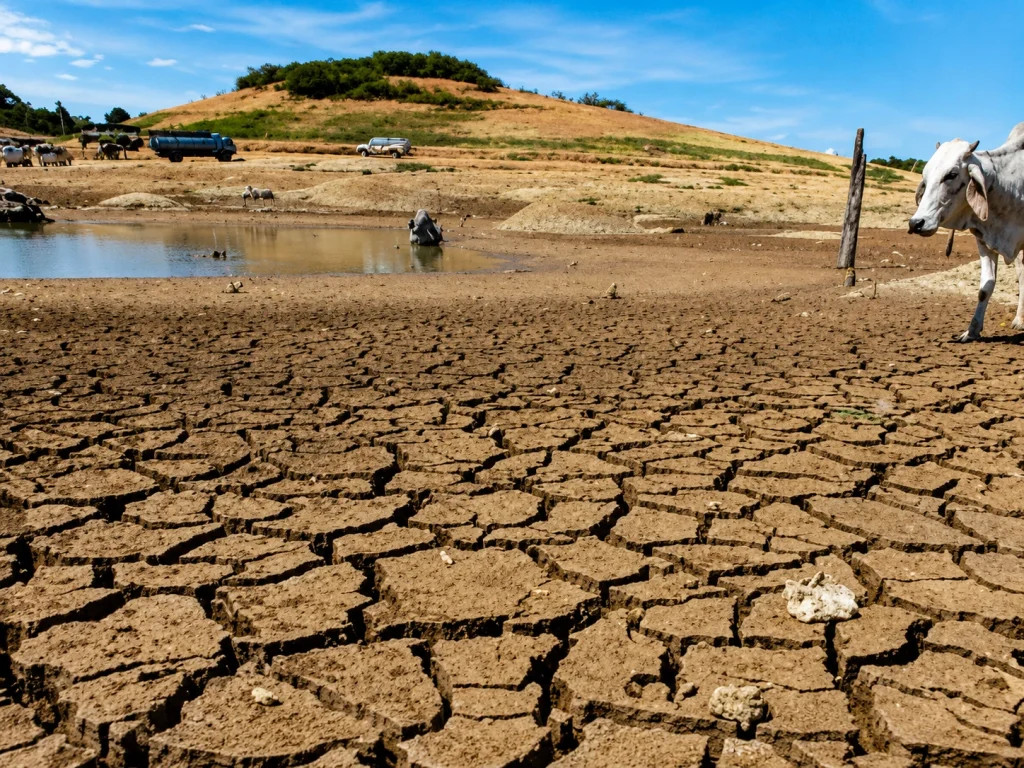
Makran is home to an ancient canal that goes back two thousand years, used to irrigate the date palms that flourish in Pakistan’s richest gardens. This canal has now dried up. Three different water crises; one province; one common cause.
Quetta – city built for 80,000 people, but 2.5 million inhabitants
The first characteristic of Quetta’s water situation is based on the very basic disproportion between planning and reality. The British have designed Quetta as a garrison city, and after the destructive earthquake of 1935 which took away about 60,000 lives, the city was redesigned to suit a population of 50,000-80,000.
The current population of Quetta is approximately 2,595,492 people. According to Dr Maqsood Ahmad, Assistant Professor of Environmental Sciences at Balochistan University of Information Technology, Quetta’s population increases by 1,200 people every day.
The effects go straight into people’s pockets. The tanker owner Abdul Malik Sumalani has been charging Rs2,300 per household for a 1,400-gallon load of water as advance orders have been taken because his supplies cannot meet the demand.
This much is being paid by the customer of the tanker, Basheer Ahmad, whose family comprises two households. In the A-One City Housing Society, Manzoor Baloch has been paying Rs2,500 per tanker. This amount rose to Rs3,000 after fuel prices soared after the US-Israeli attack on Iran in February.
But for those lacking that income, the math is coldly simple. “I have a father who works as a labourer, and we do not have enough money to get water in these days of high inflation from a tanker,” said Fareedullah, a teen who collects water alongside women and children at community water sources with buckets and jerry cans.
Nasirabad — people without water despite floods
Nasirabad division located in south-eastern Balochistan is a whole new perspective on the disaster. The region has suffered from four huge floods in the last two decades. As for the flood of 2022, entire villages had to leave their homes.
Mohammad Javed, father of three kids, is still living in a hut away from his village. “We were provided rations by the government, but for some weeks only. After that, we were left on our own. We don’t have any water at home. We send our kids each day to fetch water from somewhere far away.”
Zaheer Ahmed Baloch, an activist against climate change working with the native agricultural community of the province, offers an explanation to this paradox: “Nasirabad depends upon canals from Sindh such as the Kirthar Canal, Pat Feeder, Rabi, and Kachhi Canal to fulfill its irrigation needs.”
ALSO READ: FIFA Reverses Course on Water Bottles, but Reusable Containers Remain Prohibited
Makran Division – 217 karez have dried up
In Balochistan, the water crisis becomes the most significant historically because of the situation prevailing in the Makran Division, which has seen the failure of the karez system, an underground human-made channel that draws water using the force of gravity alone from the underground aquifers in the mountains to the valleys.
According to Dr Shabbir Rind Baloch, who did extensive documentation of this system, there were 287 karez in the district of Kech and 165 in Panjgur in 1988. There are roughly 70 karez left in Kech while less than 10 in Panjgur.
Kech and Panjgur jointly account for 40% of the country’s production of dates. “I had to migrate to Turbat. There was no other option.” This was after years of irrigating his date plantation with the karez which dried up. Many more people have followed suit, moving from villages inland to cities where there is a water pressure problem.”
Israr Mengal decided to stay there as moving out meant leaving the village altogether. “Everyone has gone away due to continuous dryness.” Rains in recent times are providing him some hope, with two families coming back. “If it keeps raining, we may survive.”

Nayab Fatima is a media professional specializing in fact-based journalism, research, and analytical reporting on technology, telecom, aviation, and automobiles.