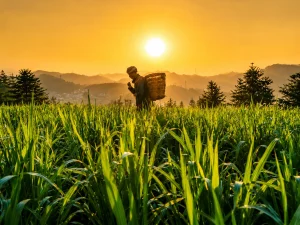

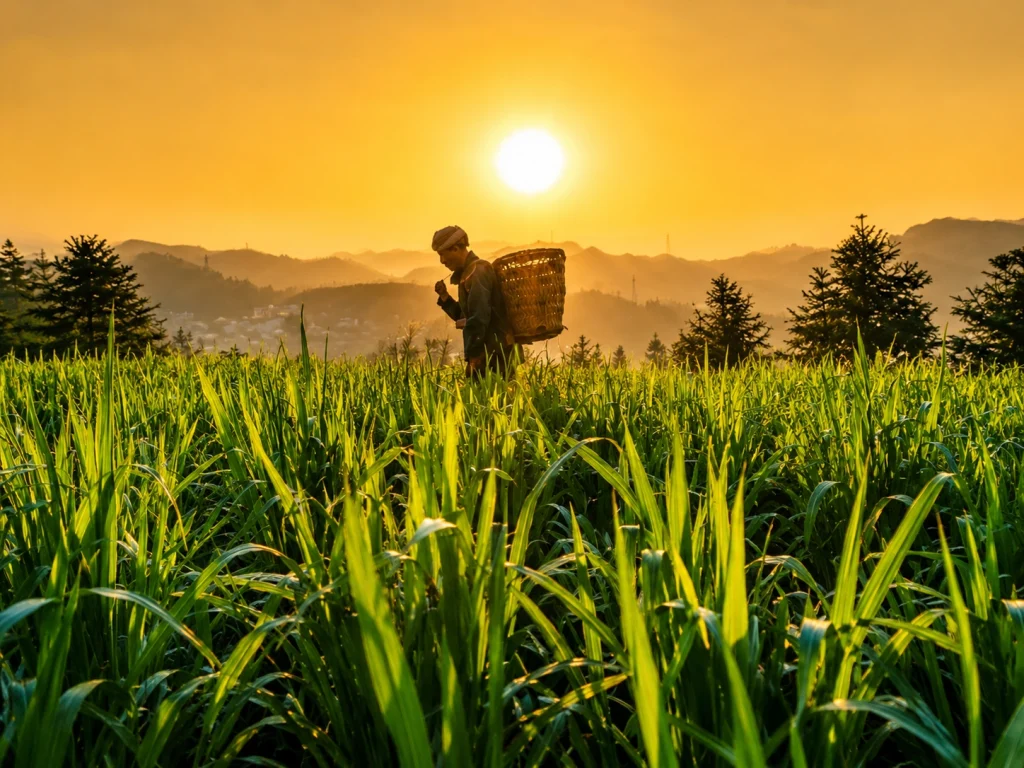
Pakistan is an agricultural nation according to the books. However, when we observe the state of affairs in the year 2026, a rather more complicated scenario emerges. There has been a reduction in the production of wheat for the third consecutive year. Cotton production, which was the backbone export commodity of Pakistan, has undergone a continuous structural decline into oblivion due to reduced land under cultivation and increased pest menace. Rice is under increasing stress owing to reduced availability of water resources. And sugar cane is struggling for water against food crops.
Despite this, one sector has continued to increase in size, almost surreptitiously. The livestock sector of Pakistan – comprising cattle, buffalo, goats, sheep, poultry and dairy farming – has continued to expand steadily over the past decade or more. This sector accounts for about 60 percent of GDP generated by agriculture, and close to 11 percent of the GDP of the country as a whole. It is directly and indirectly the source of employment for over 35 million Pakistanis. It supports hundreds of millions more.
The question that the nation must now ask itself is whether a strong livestock sector can make up for poor crop production.
Crop Dilemma Is Here And Getting Worse
- Prior to any discussion on the prospects of livestock, one needs to appreciate the magnitude of crop problems.
- Wheat production in Pakistan has exhibited fluctuations in recent years because of monsoon irregularities, late winter rainfall, high input costs, and temperature deviations caused by the climate during growth stages. Wheat output has been squeezed in Punjab and Sindh Provinces, which generate more than 90 percent of total wheat production in Pakistan. Wheat that fails to deliver causes Pakistan to import wheat, thus utilizing its limited foreign exchange.
The story is even bleaker when it comes to cotton. Once one of the top five global producers of cotton, Pakistan has seen its land area under cultivation drastically decrease due to farmers moving towards more profitable crops, and has been hit by whitefly plagues and climatic challenges to whatever cotton they continue to cultivate. The country’s export-oriented textile sector struggles on the international market despite importing the cotton they require.
Despite Difficulties Facing Crops, Livestock Emerges as an Unnoticed King
This is why Pakistan livestock sector is such a shocker in Pakistan in 2026. Pakistan is home to the fourth largest livestock population in the world. The country’s buffalo population, which forms the bedrock of its dairy production, is the second largest in the world. Its cattle population is over 50 million head strong. Its goat and sheep populations are above 150 million.
Numbers to Know About the Quiet Giant
The food security story of Pakistan’s livestock industry is one of scale and resilience, which is always underreported by the headline agriculture narrative. Milk production annually in Pakistan is around 66 billion liters and ranks Pakistan as the fourth largest producer of milk in the world. Nonetheless, not all the milk produced goes through processing. Most of it passes through informal systems like local milk sellers and direct farm sales, which don’t get reported in official numbers.
The poultry industry has been expanding at around 8% to 10% per year during the last ten years due to the increase in urban demand for low-cost protein, development of the cold chain logistics network, and involvement of organized corporate firms in an industry that was purely made up of fragmented producers earlier. The current annual output of broiler chicken in Pakistan is well above 1.6 billion birds per year.
The income generated from livestock by rural households is just as important. Amongst the 30 to 40 percent of rural Pakistani households that raise livestock, income from livestock offers economic stability in case of crop failure, which is occurring with depressing regularity in 2026.
Reasons Behind the Success of Livestock over Crops
The contrast between an underperforming crop industry and the highly successful Pakistan livestock sector is no coincidence. There are certain reasons behind this phenomenon:
There are inelastic growing demands. The current 240 million population of Pakistan increases by around 2% per year. Each one born in Pakistan is another consumer of milk, eggs, and meat right from birth. In any developing nation once it crosses the current per capita income level of Pakistan, the demand for animal protein will grow faster than the population growth as people’s income grows.
There are distribution of livestock throughout the country. Livestock farming is unlike wheat or cotton where they are concentrated in specific geographic regions according to the agro-ecological conditions. Instead, it takes place in all four provinces along with Azad Kashmir and Gilgit-Baltistan.
It is easy to enter the livestock farming business. Any small land owner can start farming by just having one buffalo or a few flocks of chicken. The cost involved for entry into this farming is a fraction of that required for crop farming as far as mechanization, seed, fertilizer and water use is concerned.
The need for water is relatively less. As the water situation in Pakistan deteriorates due to glacial recession and variability of monsoons and upstream competition, it is increasingly becoming a key structural advantage of livestock.
ALSO READ: Pakistan Targets $4 Trillion ASEAN Market in Bold Export Drive
What Pakistan Must Do Now
The policy prescription is neither mysterious nor unaffordable. It requires political will and sustained institutional commitment more than it requires new money:
- Mass vaccination campaigns for FMD, lumpy skin disease, and avian influenza — fully funded, nationally coordinated, and monitored for coverage
- Livestock extension services rebuilt at the district level to reach smallholder farmers with breeding, nutrition, and disease management knowledge
- Cold chain investment connecting rural milk collection to urban processing at scale, reducing losses and improving quality simultaneously
- Formal credit access for livestock farmers who currently operate outside the banking system entirely
- Export certification infrastructure to allow Pakistan’s halal meat and dairy to access Gulf, Chinese, and Southeast Asian markets that currently import from competitors
It’s High Time the Quiet Giant Got Its Turn
Livestock in Pakistan has long been providing for this nation silently, reliably, and mostly in the shadows — while poor crop yields have been making the front pages of newspapers and policy documents.
2026, with major crops failing and food insecurity looming large, is when it’s time to put livestock at the forefront of Pakistani agriculture and give it the prominence it deserves within the country’s food security policy.
The buffalo won’t let you down if the rains come in late. The chicken won’t require canal water to produce an egg. The goats won’t fall apart if fertilizer prices skyrocket. In a country getting accustomed to the uncertainty of its climate, that sort of resilience cannot be undervalued.

Nayab Fatima is a media professional specializing in fact-based journalism, research, and analytical reporting on technology, telecom, aviation, and automobiles.