
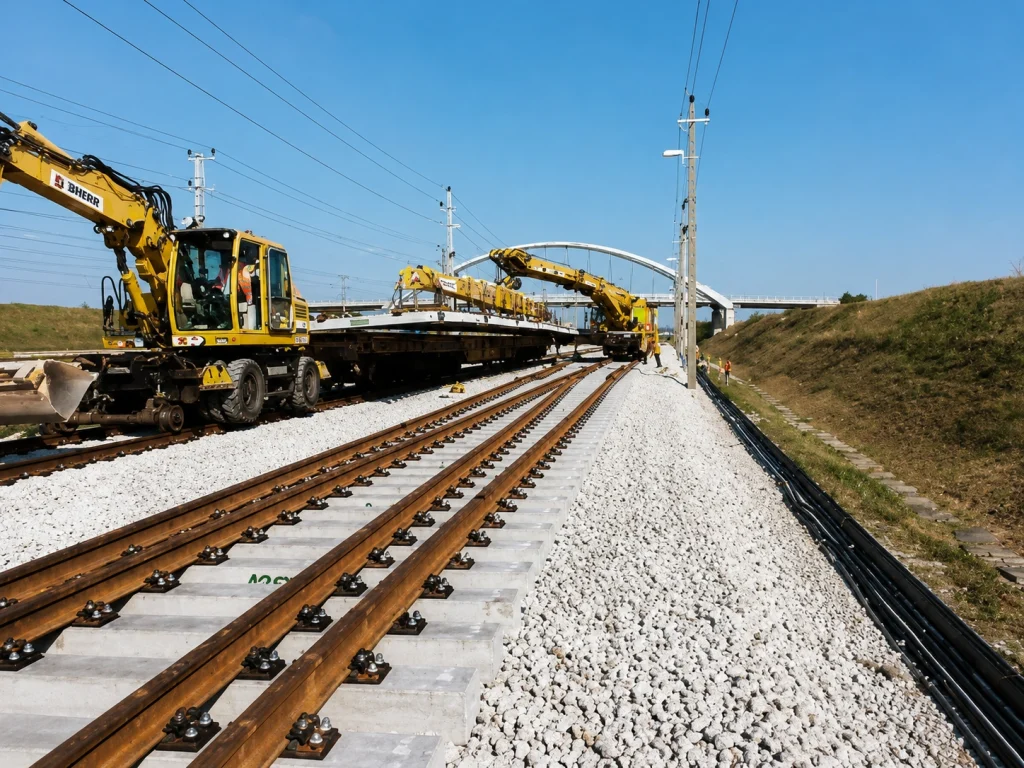
One of the most strategically important projects that is part of Pakistan’s development plan is the Karachi-Peshawar Main Line-1 railway upgrading project, which has now been taken out of the scope of the China-Pakistan Economic Corridor following the failure of negotiations on financing the project with China. The ML-1 railway project that has been dropped from the CPEC development is indicative of a change in Pakistan’s approach towards financing the project.
The Secretary of Economic Affairs informed the Senate Standing Committee on Economic Affairs about the development, saying that it was not possible to finalize the financing terms with China, and that Pakistan is now seeking multilateral funding for the project.
Failure of Financing Negotiations with China
CPEC has a history of problems because of the mismatch between the financing capabilities of Pakistan and the business conditions under which the Chinese financiers offer their loans for big infrastructure projects like ML-1 Railway.
“The financing of ML-1 could not be agreed with China.”
Secretary for Economic Affairs, Senate Standing Committee briefing
Although the secretary did not list out the specific issues involved, in the past, Pakistan had reservations regarding the interest rates, repayment period, and the form of currency through which China would be financing CPEC projects. The size of the investment in the ML-1 project, at USD7.5 billion (the largest infrastructure investment ever in Pakistan’s history), made it even more significant and challenging to accept.
ADB Comes In as the Main Alternative
Pakistan has resorted to the Asian Development Bank as the main alternate funding agency for the ML-1 rail project after the gap caused by CPEC. The ADB has already initiated discussions with two more international organizations to fund the project:
- Asian Infrastructure Investment Bank (AIIB): Multinational lending agency backed by China with strong capabilities for infrastructure investment in Asia
- Islamic Development Bank (IsDB): Multinational development agency with pre-existing financing arrangements in Pakistan’s infrastructure industry
Phase 1 Focuses on Karachi-Rohri Corridor
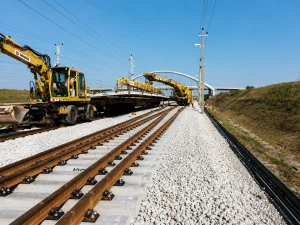
The CPEC decision regarding ML-1 rail project restructuring does not affect the project’s scale or objective. A $7.5 billion renovation project involves the full renovation of the Karachi-Peshawar main line, which is the main artery of Pakistan Railway linking the biggest port city of the country to the north.
As for the first phase, it involves improving the Karachi-Rohri main lane – one of the busiest lines in the entire rail system of Pakistan in terms of both cargo and passengers transported. The renovation of the main lane will help to speed up trains, make the line more reliable and effective.
What the CPEC Withdrawal Entails
The ML-1 rail track project withdrawal by CPEC comes with far-reaching consequences that go beyond the specific project.
The funding source is irrelevant to the timeline of implementation for Pakistan Railways and the millions of passengers and cargo users relying on the Karachi-Peshawar route. The inclusion of the ADB, AIIB, and IsDB in the talks about the project keeps hopes for its actual implementation alive; however, the shift from CPEC to multilateral funding will take additional time, which the project has long been missing.

Nayab Fatima is a media professional specializing in fact-based journalism, research, and analytical reporting on technology, telecom, aviation, and automobiles.