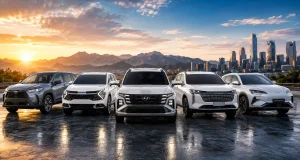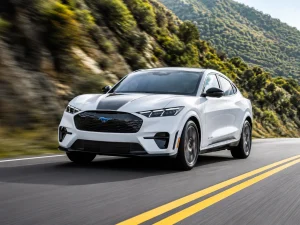

The EV revolution in Pakistan has been taking place much faster than anticipated by many – and according to a new projection made by the government, there would be as many as 2.2 million units of Pakistan electric vehicles 2030.
This graph represents electric vehicles in all categories, from two-wheelers and three-wheelers to passenger vehicles and commercial vehicles, since it reflects a wide-ranging EV adoption policy for Pakistan rather than being a selective one targeting any particular category.
Electric motorcycles are one of the fastest-growing categories within Pakistan’s Electric Vehicles (EVs) system. This trend is very much in line with the prevalence of the two-wheeler category within Pakistan’s automotive industry. There are more than 160,000 electric motorcycles manufactured within the country, which makes this category the key factor behind the early adoption numbers of Pakistan Electric Vehicles 2030.
Subsidies of Rs9 Billion Targetted at Two & Three Wheelers
A subsidy of Rs9 billion has been announced by the government which will be only for those people who are buying electric two or three wheelers in Pakistan since it is this area that has maximum price elasticity and through subsidies, we will get the highest number of EVs on our roads.
Individuals buying the electric motorcycles will get a subsidy of Rs80,000 per motorcycle which will help them buy the motorcycle easily since this subsidy makes their cost low.
ALSO READ: Islamabad Police Departments Mark Milestone in Electric Mobility Adoption with BYD EVs
Subsidizing electric bikes Rs80,000 each is a matter of deliberate strategy. Motorcycles form the biggest segment in terms of number of units in Pakistan’s vehicle category – millions of motorcycles transport passengers and cargo throughout the country every day. Even converting a small portion of that fleet into electric power will create much more effect than investing the same amount in subsidies for four-wheeler EVs.
Why 2.2 Million by 2030 Is an Ambitious yet Possible Target
The forecast for Pakistan electric vehicles 2030 to reach 2.2 million units will involve considerable speed-ups compared to the present pace of production, although the trend is based on the following elements:
- Commitment from Government Subsidies – Allocation of Rs9 billion shows that there is policy commitment, not just an incentive
- Production base in the country – Local manufacturing of EVs and electric motorcycles will lower reliance on imports and maintain competitiveness in pricing
- Higher fuel prices – Fluctuations in the price of petrol and diesel fuel strengthen the business case for EVs
- Expansion in EV Charging Infrastructure – The charging infrastructure for electric vehicles is growing rapidly in major cities, minimizing range anxiety for prospective customers
- International collaboration – Examples of which include K-Solar’s Memorandum of Understanding with Mingyang and the expanded BYD fleet of the Islamabad Police
Road Ahead
The development of electric vehicles in Pakistan has crossed the first base; 12,800 electric vehicles and 160,000 electric motorcycles are the evidence of a strong start.
The difference between the present and the target of 2030 is considerable, but taking into account the role of the government’s subsidy, the industry policy, and growing demand from consumers, Pakistan’s electric vehicles have every chance of closing the gap.

Nayab Fatima is a media professional specializing in fact-based journalism, research, and analytical reporting on technology, telecom, aviation, and automobiles.