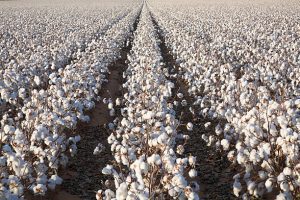

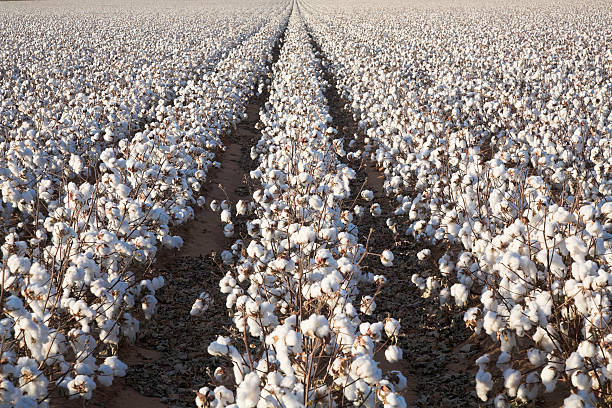
LAHORE: Pakistan’s cotton output fell to 5.6 million bales last season, the weakest harvest in 30 years Pakistan China Joint Chamber of Commerce and Industry (PCJCCI) Commercial Ambassador Adeel Munawar revealed Monday at a meeting held at the PCJCCI Secretariat. His diagnosis, though, cut against the usual excuses.
Pakistan Cotton Output Hits 30-Year Low
Farmers aren’t the problem, he argued. Neither is the soil. “Pakistan holds strong genetic potential, a large cultivation area, skilled growers, and a massive textile industry that depends entirely on local cotton,” Munawar said. The real issue, he added, sits somewhere less obvious: inconsistent, science-based field management.
Focus Pakistan learnt that research trials conducted across Punjab and Sindh back up his claim. Farms growing the exact same cotton variety, planted in the same district, under the same weather, produce wildly different results and the difference traces back to how growers manage nitrogen levels, irrigation timing, and early-stage whitefly control. Pink bollworm infestations, delayed sowing windows, and erratic watering schedules keep dragging yields down nationwide, according to Munawar.
Also Read: Pakistan Textile Exports Cross $15 Billion Despite Global Chaos and Regional War
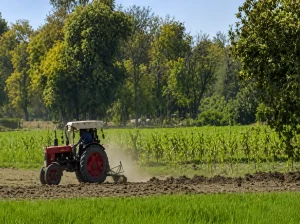
Here’s where China enters the picture. Sources confirmed to Focus Pakistan that Xinjiang Agricultural University already runs experimental cotton fields in Faisalabad, and researchers there now plan to test mechanical picking technology on Pakistani farmland. North Xinjiang among China’s largest cotton belts already harvests 90 percent of its crop by machine. Munawar wants that number replicated in Pakistan.
China Tests Cotton Technology
“China’s germplasm resources complement Pakistan’s perfectly,” he said. Pakistani cotton brings heat tolerance few varieties can match. Chinese cotton brings yield and fiber quality Pakistan needs. Scientists on both sides are now crossbreeding the two, hunting for a variety built specifically for Pakistani conditions.
Munawar was careful to frame this as an exchange, not a handout. China will ship new seed varieties into Pakistan for adaptability testing, and researchers will pick whichever performs best for commercial rollout. Xinjiang’s drip irrigation and mulching systems some of the most advanced drought-resistant technology in the world could also cross over directly, he said, offering Pakistan a real answer to its worsening water shortage.
New Cotton Research Begins
PCJCCI Secretary General Salahuddin Hanif confirmed a new biotechnology center of excellence will soon open at the Central Cotton Research Institute (CCRI), built specifically to accelerate this research. He credited the China-Pakistan Economic Corridor (CPEC) with opening the door for this kind of scientific cooperation in the first place, calling it a turning point for Pakistan’s cotton sector.
Textile Industry Faces Pressure
The stakes go beyond agriculture. Pakistan’s textile export industry runs almost entirely on domestically grown cotton, and a 30-year production low has already rattled manufacturers. Whether this partnership actually moves the needle will come down to what happens next, the Faisalabad trials, the mechanized harvesting tests, and how fast the joint seed program can produce results before the next planting season arrives.