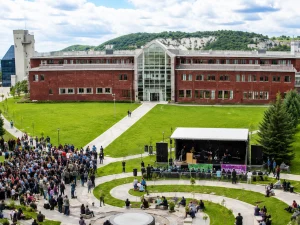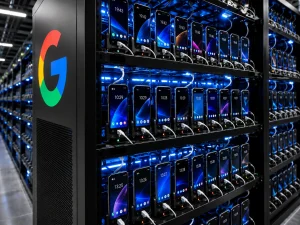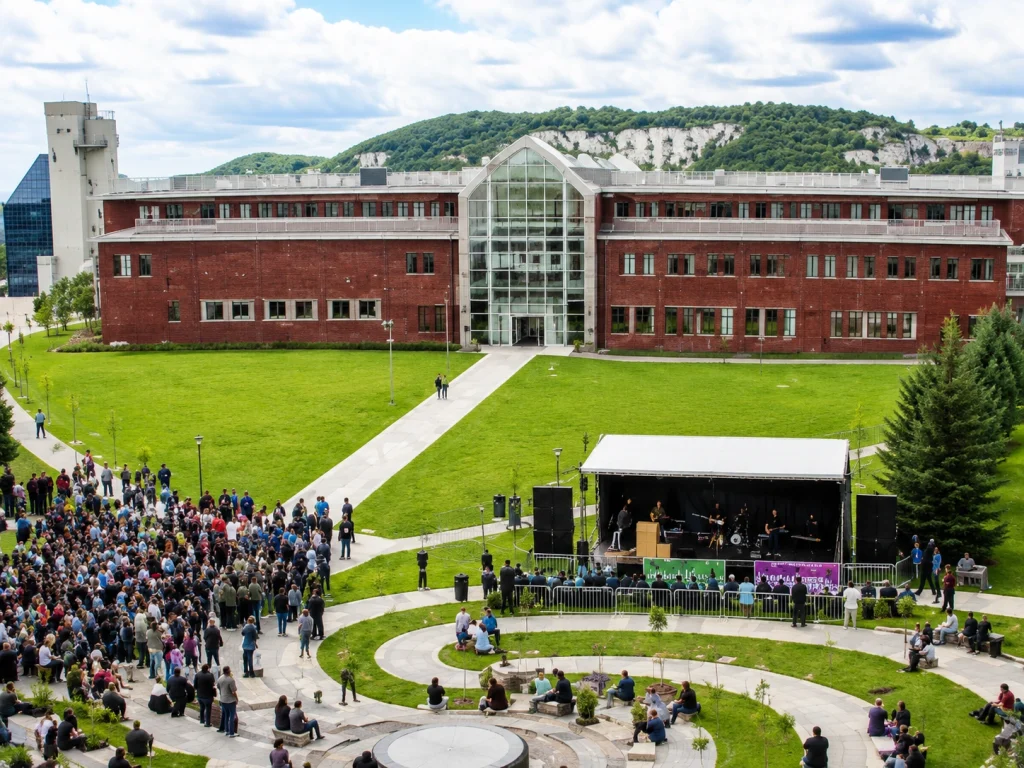
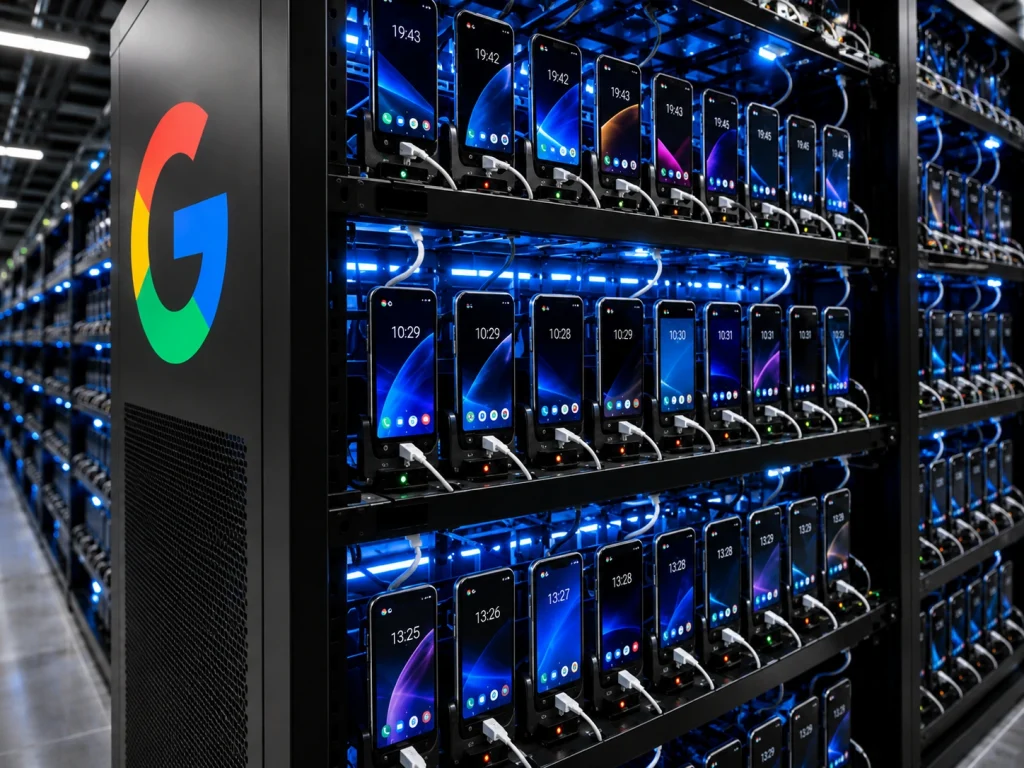
This is not the time to dismiss your outdated smartphone as completely useless. This idea is being tested by Google in collaboration with University of California San Diego. The Google old phones cloud computing project aims to set up a data center using 2,000 refurbished Pixel phone motherboards from the university campus in the fall of 2026, which will provide cost-effective cloud computing services for the students and researchers and reduce the need for producing new server hardware.
This method has been termed “phone cluster computing,” and it does not adhere to the traditional definition of e-waste at all.
Working of Phone Cluster Computing
The disassembly of phones for cloud computing at Google starts with very accurate disassembly. The old smartphones are taken apart such that all that remains is the motherboard. The motherboard contains the processor, memory, and storage unit while other things are stripped out:
- Display – thrown away
- Battery – stripped out
- Camera systems – stripped out
- Chassis and case – thrown away
All that is left now is the flat board with all the working parts of the computer on it. What Google does next is load up a generic version of Linux operating system on each of those boards, which replaces Android, since it is designed for a mobile device and not for a cloud server. These boards are put together in a group of 25 to 50 computers called a cluster, which behaves as a Linux computer.
The 2,000 board installation that UCSD is planning will be able to run about 100 classes concurrently, providing the equivalent of 50 regular servers, but at a much reduced manufacturing cost and reduced carbon emissions.
Is There Really Any Way That Phone Processor Can Be Able to Compete With Servers?
The Google old phones cloud computing technical case seems to be much better than it seems. Google made comparisons between the single-threaded performance of 2023 Pixel Fold and the ASUS RS720A-E11 data center server. Pixel Fold outperformed the baseline server cores on various test scores with its performance cores.
20 phones were able to support the peak submission rates for a group of more than 75 students in preliminary testing.
ALSO READ: Smartphones Can Charge Through Transparent Solar Screens
Google’s Old Phones Initiative and the Issue of Embodied Carbon
The Google old phones initiative aimed at converting the devices into cloud computing is not just a money-saving strategy. This is an initiative aimed at addressing a certain issue created by the boom of AI computers: the issue of embodied carbon.
Embodied carbon is an expression used to refer to the emissions produced when the device is being manufactured before its operation. Google claims that the motherboard makes up to about 50 percent of a phone’s embodied carbon making it the most reusable and valuable piece of the phone.
If the motherboard of a phone already exists, using it eliminates the emissions which are produced during the production of a new server chip. With more electricity, chips, and cooling systems required annually in the data centers powered by AI technology, this approach to computing makes sense environmentally.
UC San Diego: Benefits from 2,000 Old Pixel Phones
The problem of cloud computing costs faced by many institutions of learning, such as UC San Diego, is solved by the Google old phones cloud computing solution. During times of assignment submissions, there is an increase in cloud computing expenses because of high computing demands beyond normal capacity as many students simultaneously upload their codes.
With a cluster of 2,000 old pixel phones supporting up to 100 courses at once, this demand can be handled within lower expenses than those charged by other cloud computing infrastructures. In cases of computer science courses involving hundreds of learners, such cost savings have significant implications.
Limits That This Project Still Has to Overcome
Google’s old phones cloud computing project holds great promise – however, it has been frank enough to acknowledge what remains unproven:
- Reliability: smartphones motherboard design is not geared towards constant data center operation
- Cooling: constant operation of numerous CPUs produces heat which is difficult for the small-scale hardware to cope with
- Disassembly costs: disassembling batteries, screen, and chassis from numerous devices is not without cost either
- Maintenance: some boards will fail; 2,000-piece scale replacement is an infrastructure challenge
The Google old phones cloud computing initiative brings a personal message beyond just the data center. Since there is no need to replace smartphones at all when they are still fast enough to beat the performance of server cores in benchmarks, the pressure to get new phones every few years loses its strength.

Nayab Fatima is a media professional specializing in fact-based journalism, research, and analytical reporting on technology, telecom, aviation, and automobiles.