
Karachi to Allow Only Metered Rickshaws Under New Traffic Policy
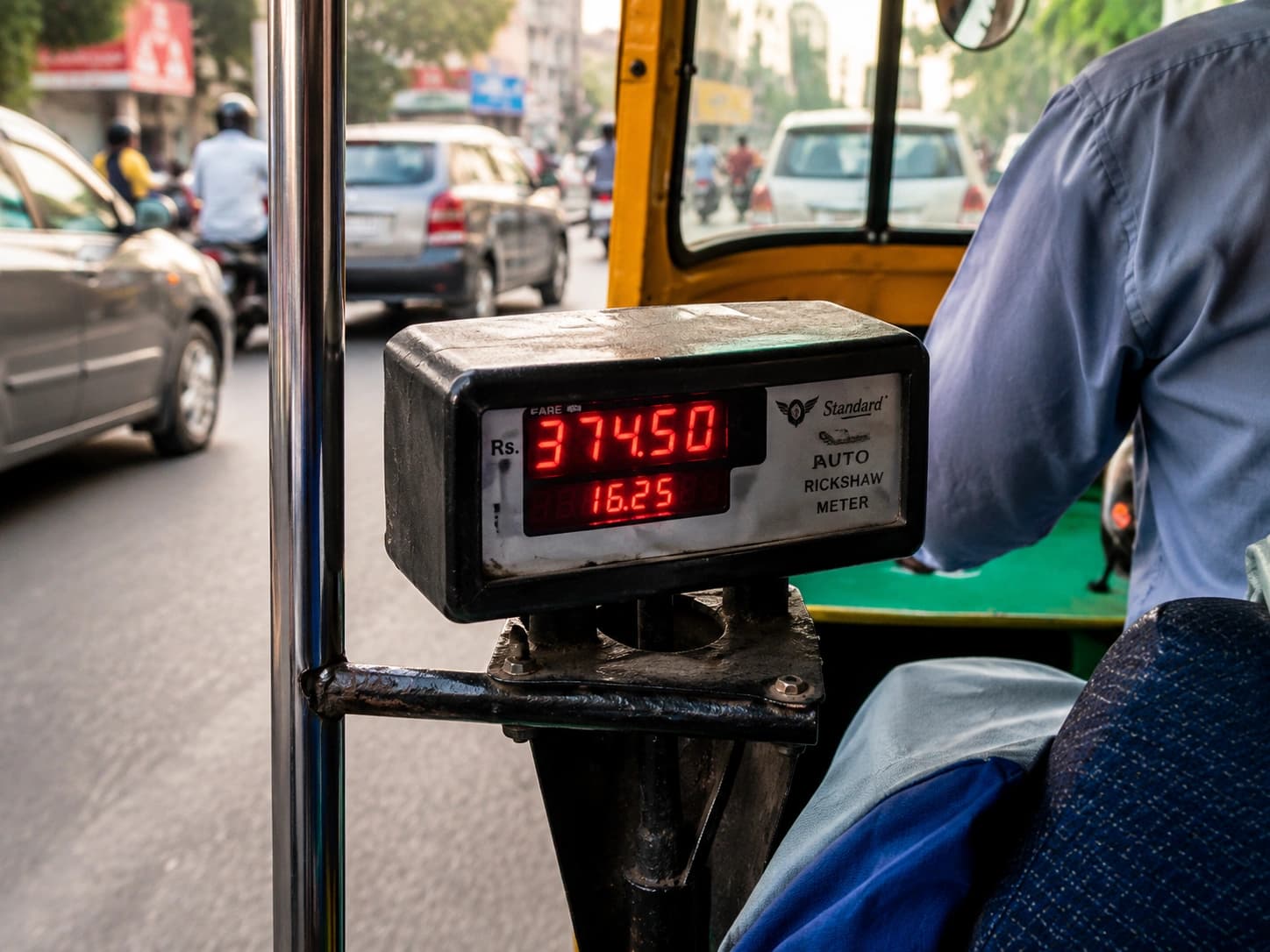
KARACHI: Banned Rickshaws in Karachi Pir Muhammad Shah DIG Traffic of Karachi has revealed that all kinds of rickshaws are to be banned from plying the streets of Karachi, except for the ones equipped with meters. The Karachi rickshaw meter scheme has been revealed by DIG Traffic of Karachi at Karachi Press Club along with the problem of e-challans, transfers of vehicles, and road safety crisis in Karachi.
This announcement creates an operational standard for the rickshaw industry, which is among the most commonly used yet unregulated modes of transport in Karachi, thus ending the chaos prevailing in the industry and providing protection to passengers against any arbitrary disputes over fares.
Scope of the Policy
The scope of the rickshaw meter policy for Karachi encompasses three interconnected aspects of Karachi’s road transport system:
Rickshaw meter policy:
Different kinds of un-metered rickshaws would be prohibited from plying on the roads of Karachi. As the DIG Traffic clarified, there is an ongoing effort to clear rickshaws off the major roads, and the use of meter would be the core condition for compliance moving forward. Rickshaws with meters only would be allowed to ply on the roads of Karachi.
Issues with respect to e-challan system:
The DIG Traffic agreed that there are issues with e-challan system for citizens of Karachi. A new policy is under development to provide assistance for those who receive an e-challan as a result of errors on the part of the computer system, despite its efficiency over human efforts; this error requires a mechanism of correction.
Transfer backlog of vehicles:
According to the DIG Traffic, there are around 45,000 vehicles in Karachi that have not been properly transferred to the owner. This results in the failure to hold people accountable during traffic accident investigation or while filing insurance claims. Several people have been arrested in this regard and handed over to the police station.
ALSO READ: Sindh to Launch Pink EV Taxis for Women Across the Province
Road Safety Statistics Calling for Action
Along with the decision regarding Karachi rickshaw meter scheme, a particular statistic was made public, which is the best argument to show why traffic regulations should be tightened up in Karachi, which is the biggest city in Pakistan:
164 persons lost their lives in heavy traffic in Karachi in 2024 — as reported by DIG Traffic Pir Muhammad Shah based on official traffic statistics.
This statistic is just about fatalities due to heavy traffic cases; it doesn’t take into account all types of road fatalities, including motorcycle deaths, pedestrian deaths, and others.
Why Does the Meter Requirement Matter?
The policy in relation to the usage of rickshaws in Karachi is going to be based on addressing an issue which has been creating problems for commuters for a very long time now. The fares of the rickshaw in Karachi have been based on negotiations rather than meter reading leading to miscommunication and over-pricing.
What is different about the meter requirement?
- Fare transparency: commuters know how much they'll be paying before they get there, rather than after negotiating
- Driver accountability: metered rides lead to records that can be used to charge drivers with overcharging
- Consumer protection: particularly relevant for female, elderly, and foreign passengers, as overcharging is a serious threat to them in non-metered vehicles
- Formalizing the sector: metering is the first step towards inclusion in the formal transport sector, such as insurance and licensing requirements
Results of E-Challan System and Lane Marking
Even with the fear of mistakes in e-challans being auto-generated, DIG Traffic Pir Muhammad Shah acknowledged that the use of the e-challan system and lane markings have positively impacted traffic flow in Karachi. This is the biggest improvement in traffic management for Karachi in recent times.



Leave a Reply
Your email address will not be published. Required fields are marked *