
Korea Eyes Mass AI Training for Pakistani Women as Talks Begin

RAWALPINDI: A Korean government delegation walked through Fatima Jinnah Women University's computing labs this week, and by the time the visit ended, both sides were talking about something far bigger than a courtesy call: the early groundwork for what could eventually become a large-scale AI training and research initiative for Pakistani women.
The Korea International Cooperation Agency (KOICA), South Korea's lead development agency, sent Deputy Country Director Harim Go, Young Professional Researcher Dae-Yeon Kim, and Manager Abdul Rehman Khan to FJWU for the meeting. Vice Chancellor Prof. Dr. Bushra Mirza chaired the session, flanked by Dean of Science and Technology Prof. Dr. Azra Yasmin, Institute of Computer Science and Engineering Director Prof. Dr. Nargis Bibi, and ORIC Director Dr. Hisham.
FJWU KOICA AI Partnership Takes Shape
Nothing signed yet locks in a headcount, but the ambition on the table is unmistakable. The two sides set out a framework covering artificial intelligence, computing research, capacity building and joint academic work a bilateral cooperation model between a Korean state agency and a Pakistani public university built exclusively for women. Vice Chancellor Mirza didn't undersell the stakes. She called AI integration and digital empowerment national imperatives, not optional extras, and argued that a partner like KOICA opens growth avenues her faculty and students can't reach alone. Pooling institutional capability in AI and modern technology, she said, lays the foundation for a digital future where Pakistani women don't just participate in tech they lead it.
Also Read: Pak-Korea Technical Textile Center Nears Landmark Launch
Prof. Dr. Nargis Bibi backed that ambition with evidence already on the ground. She walked the delegation through FJWU's computer science programs at both the undergraduate and postgraduate level, then showcased AI and technology projects that FJWU's own female students had designed and built award-winning work coming out of classrooms most people wouldn't associate with cutting-edge computing.
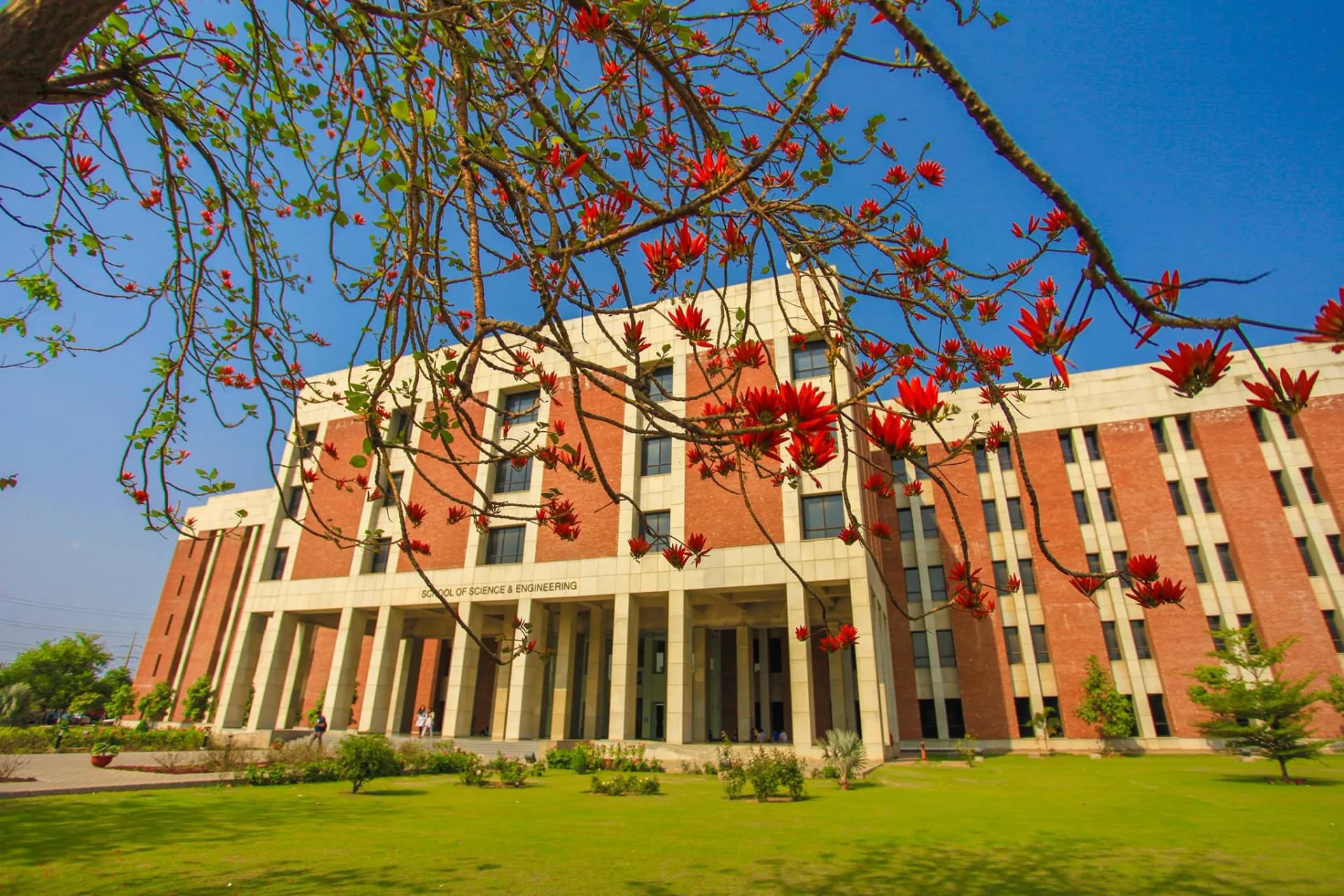
FJWU itself carries some weight for a partnership framed around scaling up female tech leadership. The university holds the distinction of being Pakistan's first women-only institution, established in 1998 in Rawalpindi and now serving more than 5,000 students. If KOICA's interest translates into a full training pipeline, FJWU is positioning itself as the natural launchpad.
Also Read: Senate Makes Computer Science Compulsory in Pakistani Schools From Elementary to High School Level
After the formal talks wrapped up, Prof. Dr. Nargis personally guided the KOICA team through the Department of Computer Science, the university's AI laboratories, its computing infrastructure and specialized research centers giving the delegation a hands-on look at what the university is already building, not just what it's promising to build.
What Comes Next for AI Training?
The Korean delegation left with clear signals of intent. KOICA representatives praised FJWU's academic environment, its facilities and its student research culture, and said the visit had established a solid, practical framework for long-term collaboration in AI and technological advancement.
What comes next will decide whether these discussions eventually produce a large-scale AI training initiative or remain limited to academic and research cooperation. Funding commitments, enrollment numbers and a formal agreement are still unannounced but the intent to build something lasting is now on record, on both sides of the table.

Leave a Reply
Your email address will not be published. Required fields are marked *