
Senate Makes Computer Science Compulsory in Pakistani Schools From Elementary to High School Level
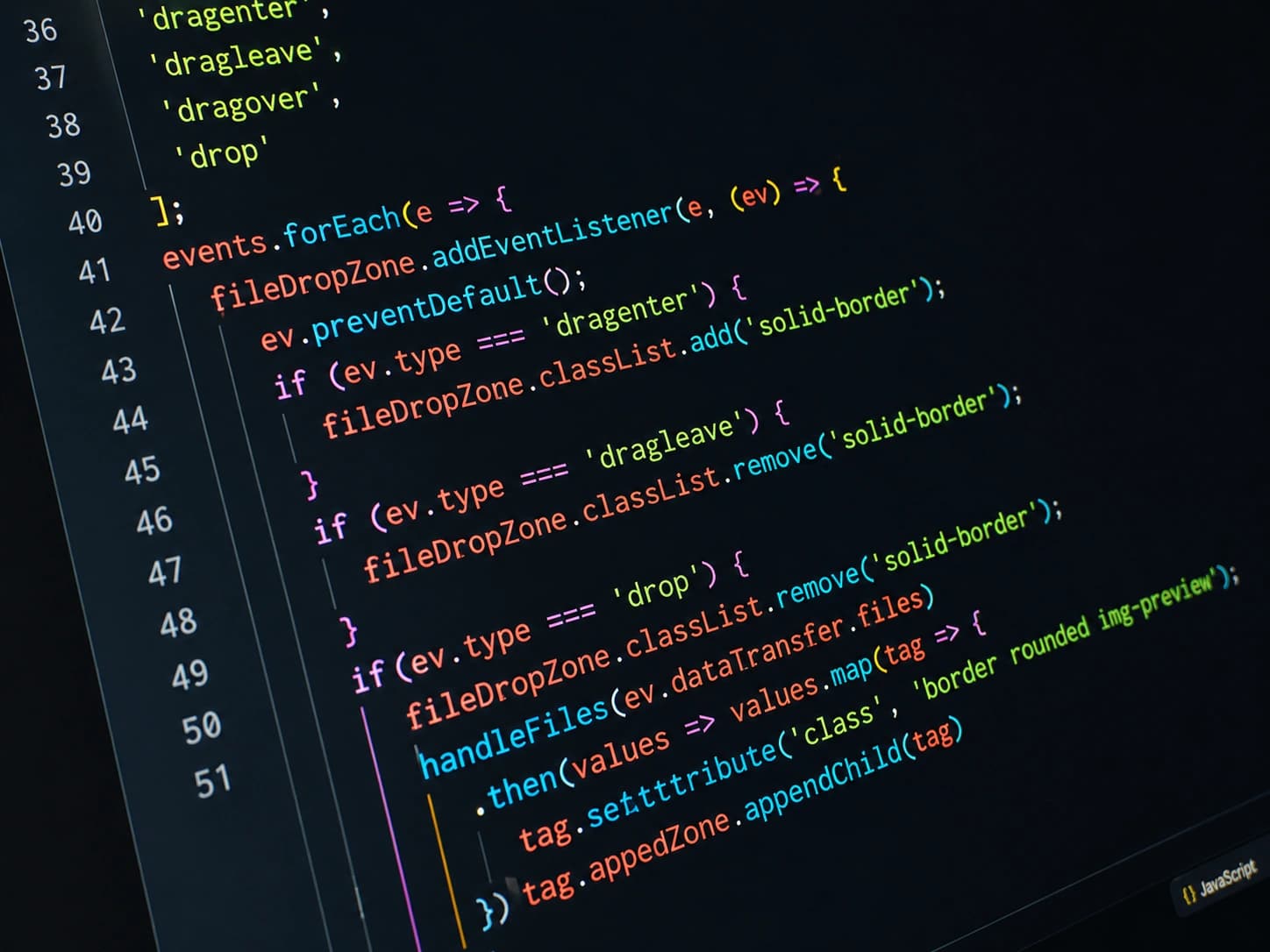
ISLAMABAD: The Computer Science Must Be Taught In All Schools Policy was made into law today when the Free and Compulsory Education Amendment Bill 2026 was passed by the Senate, marking a historic moment where coding and computer classes have been legislated to be core curriculum subjects at all levels from primary to high school.
This legislation was enacted during a Senate meeting headed by Senator Sherry Rehman. The amendment of the Right to Free and Compulsory Education Act 2012 included programming and digital literacy as mandatory components of education as opposed to additional courses that could be chosen by schools.
This particular ruling comes at a time when there is a situation that makes the whole thing urgent. Pakistan has had a total of 5.9 million people unemployed as per the Pakistan Labor Force Survey for the fiscal year 2024-25. This number has been achieved on a background of a rise in the country's unemployment rate above 7%. The computer science compulsory Pakistan schools bill addresses this issue by making sure the upcoming labor force has the necessary IT skills.
Changes Brought About by the Amendment
From Voluntary to Mandatory – Nationally and Instantly
Introduction of computer science courses in Pakistani schools becomes mandatory instantly after the bill is passed by the Senate without adhering to the time periods generally needed for introducing any new curriculum into the system. All institutions which fall under the ambit of the Right to Free and Compulsory Education Act will have to integrate programming courses within their syllabus.
The immediacy of such an implementation schedule brings both challenges and opportunities into play at the same time. The students of today's Pakistan have access to computer-based education that students from previous generations were deprived of through the formal education system. The schools, especially those located in the underdeveloped regions of the country, are challenged to implement a completely new curriculum without prior planning.
Getting Students Ready for the Global Economy
The logic for the computer science mandatory amendment by lawmakers in Pakistan was straightforward — Pakistan’s young populace needs skills in using computers in order to compete effectively in a world economy that is becoming increasingly dominated by information technology and where technological know-how becomes a prerequisite for jobs.
The information technology exports of Pakistan have seen an increase over the past few years as Pakistan has developed into a significant economy in terms of freelancing and software development. Integrating the concept of compulsory computer science subjects for schools in Pakistan into the national curriculum helps to ensure a steady flow of digital literacy that aids further growth.
Other Notable Decisions of the Senate in Friday's Sitting
Nursing Legislation Passed After Critical Vote
Another important decision was taken by the Senate during Friday's sitting apart from the computer science bill that was passed to be made compulsory in all Pakistan schools. The legislation for the Pakistan Nursing and Midwifery Council passed after a critical 13-13 tie vote, as the Chairman of the sitting cast his critical vote in support of the bill on the advice of Federal Minister of Health, Mustafa Kamal.
Sen. Sherry Rehman had suggested that the nursing bill be sent to a committee for more scrutiny before passing, which was overridden by the tied vote and the ruling of the chair.
Revenue Generated by Motorways Amounts to Rs71 Billion
The Ministry of Information further disclosed before the Senate that revenue collected from the Pakistani motorways stood at Rs71 billion from July 2024 to March 2026, and 85 percent of the total was collected by means of M-Tag. This figure clearly indicates the financial success of investments made in the road infrastructure of Pakistan.
Leadership Vacuum in Universities
According to the Ministry of Education, 23 out of the 163 government universities in Pakistan have no vice chancellors, which means a leadership vacuum exists in them just as the computer science is mandatory in Pakistan schools policy requires them to train their teachers for offering digital education to students.
Digital Literacy as Economic Infrastructure
The passing of computer science compulsory Pakistan schools bill indicates that digital literacy has moved from being a competitive edge to an economic infrastructure necessity within the country. Nations that integrate computing into their mandatory curricula at the basic level have produced far more competent work forces, high-tech exports, and economic activities from digital businesses than countries that leave it to optional or tertiary education programs.
In terms of the country’s demographics, its burgeoning IT industry, and problems with unemployment, computer science in Pakistan schools policy is introduced during a time when its economic significance is most potent. The 5.9 million unemployed Pakistanis reported by the Senate last Friday are not just the beneficiaries of the bill, but they are also the ones whom the policy seeks to help by providing them with the next generation of computer-savvy laborers who can write code.





Leave a Reply
Your email address will not be published. Required fields are marked *