
Gwadar Port Completes First International Ship-to-Ship Bunkering Operation
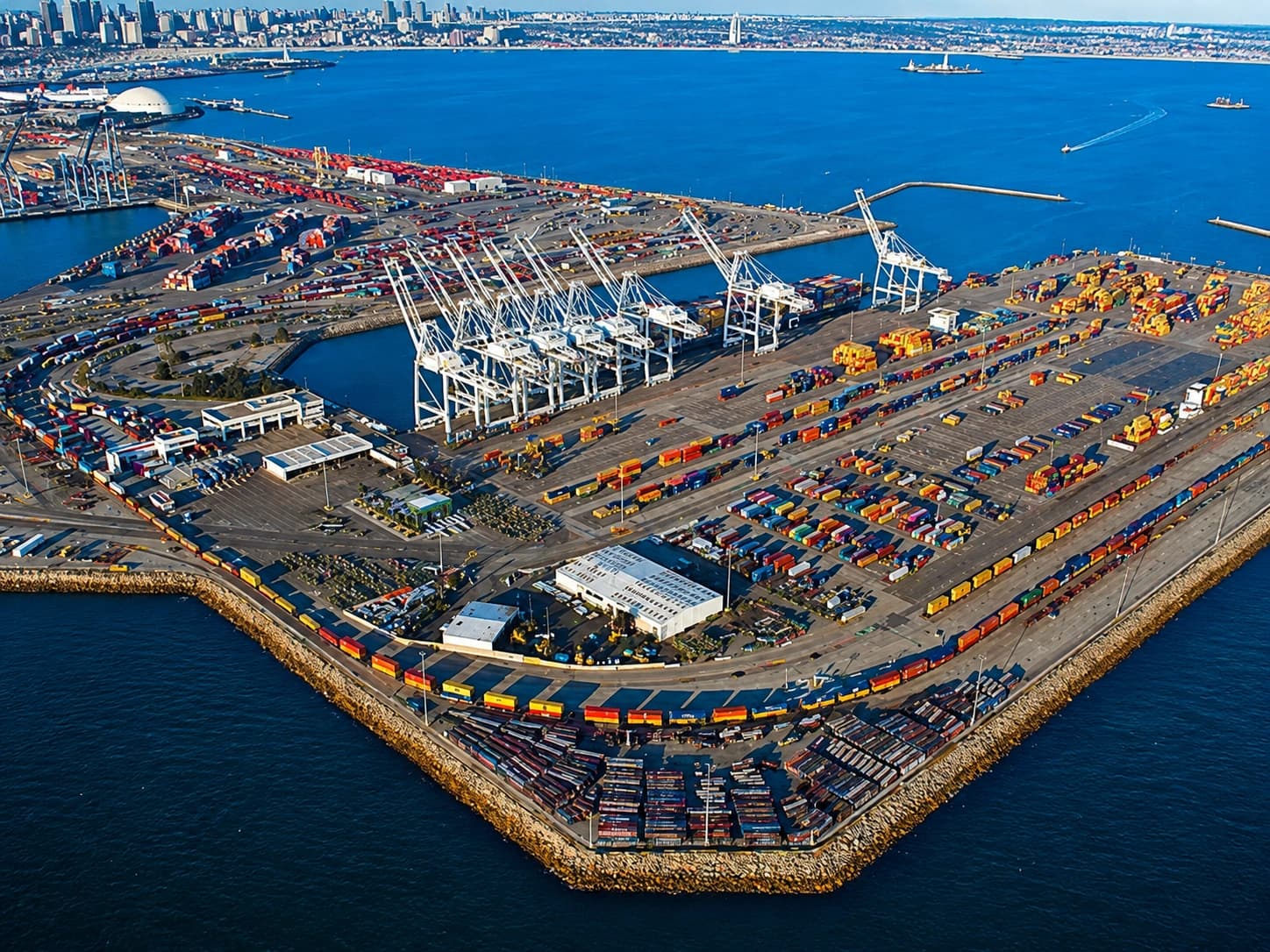
ISLAMABAD: This is the first ship-to-ship bunkering of an international vessel at the Gwadar Port – an event that symbolizes the start of Pakistan’s efforts to establish itself as a regional fuel hub at one of the best-situated deep-sea ports in the Indian Ocean. This is the stage when the Gwadar Port bunkering maritime hub dream turned into reality with the provision of a single fuel delivery service involving a national logistics company, a global energy company, and domestic fuel that meets international standards.
This fuel was supplied by the National Logistics Corporation in association with the international energy company Vitol. The fuel, which is IMO-compliant Very Low Sulphur Fuel Oil in a quantity of 2,500 metric tons, was delivered to the UAE-owned LNG ship ENUGU in this first-time operation, fulfilling all the requirements of commercial shipping companies for bunkering operations.
This aspect of local production is extremely important. A center fueled by local refineries alters this situation – assuming that Cnergyico is able to produce enough volume for commercial use.
Why IMO Compliance Is So Important
The low sulphur fuel oil requirement for the Gwadar Port bunker fuel operation which debuted recently is no mere technicality. The IMO regulation for low sulphur fuel is one of the most momentous changes in environmental regulations in the history of commercial shipping with the 2020 IMO sulphur cap of reducing sulphur in marine fuel from 3.5% to 0.5%.
Shipping firms that visit non-compliant fuel hubs will be subject to regulation fines, state control measures and reputational damage with charterers and cargo owners concerned with environmental compliance through their entire chain. Any port that hopes to establish itself as a marine fuel hub needs to provide IMO-compliant fuel at the very least.
Vitol’s Involvement – The World Credibility Indicator
Vitol's involvement in the bunker fuel business at the Gwadar port does not only make sense from the perspective of the particular transaction but for its global meaning as well. Vitol is one of the world's largest energy trading companies an entity whose participation in any kind of business involving energy commodities is a sign that this transaction has met all the necessary global criteria.
Vitol's participation in the first bunker fuel business at the Gwadar Port is a way to signal to the international shipping companies and other participants in the maritime industry that the operation itself has met the necessary global criteria, despite Pakistan’s claims on this issue.
Meaning of this Landmark
According to officials, the landmark achieved by Gwadar Port in the form of the bunker operation has been that of establishing the foundation of an integrated bunker facility which would be able to service the international commercial ships arriving in Gwadar. This is not only true but a proper assessment of the landmark.
This would require:
- Volume scale: the volume needed in a commercial bunker hub is that which can provide for hundreds of thousands of metric tons each year, not just for one transaction
- Bunker infrastructure: infrastructure for bunker storage in Gwadar in order to deliver fast and simultaneously to several ships at once
- Competitive prices: the bunker hubs compete with prices as well as with their locations; Gwadar should have prices that make it worth visiting the port despite the established ones
- Shipping traffic: the demand for bunkers depends upon shipping traffic; Gwadar should develop its commercial visiting pattern first
Pakistan’s Maritime Vision Sharpened in Gwadar Port Bunkering Operation
The Gwadar Port Bunkering Operation milestone comes at a time when Pakistan is attempting to turn the strategic position of Gwadar, the deep-water port on the coast of the Indian Ocean nearest to Central Asia and perhaps one of the most important logistics centers for maritime commerce in the world, into concrete business opportunities.



Leave a Reply
Your email address will not be published. Required fields are marked *