
SBP Opens Naya Pakistan Certificates to Riyals and Dirhams
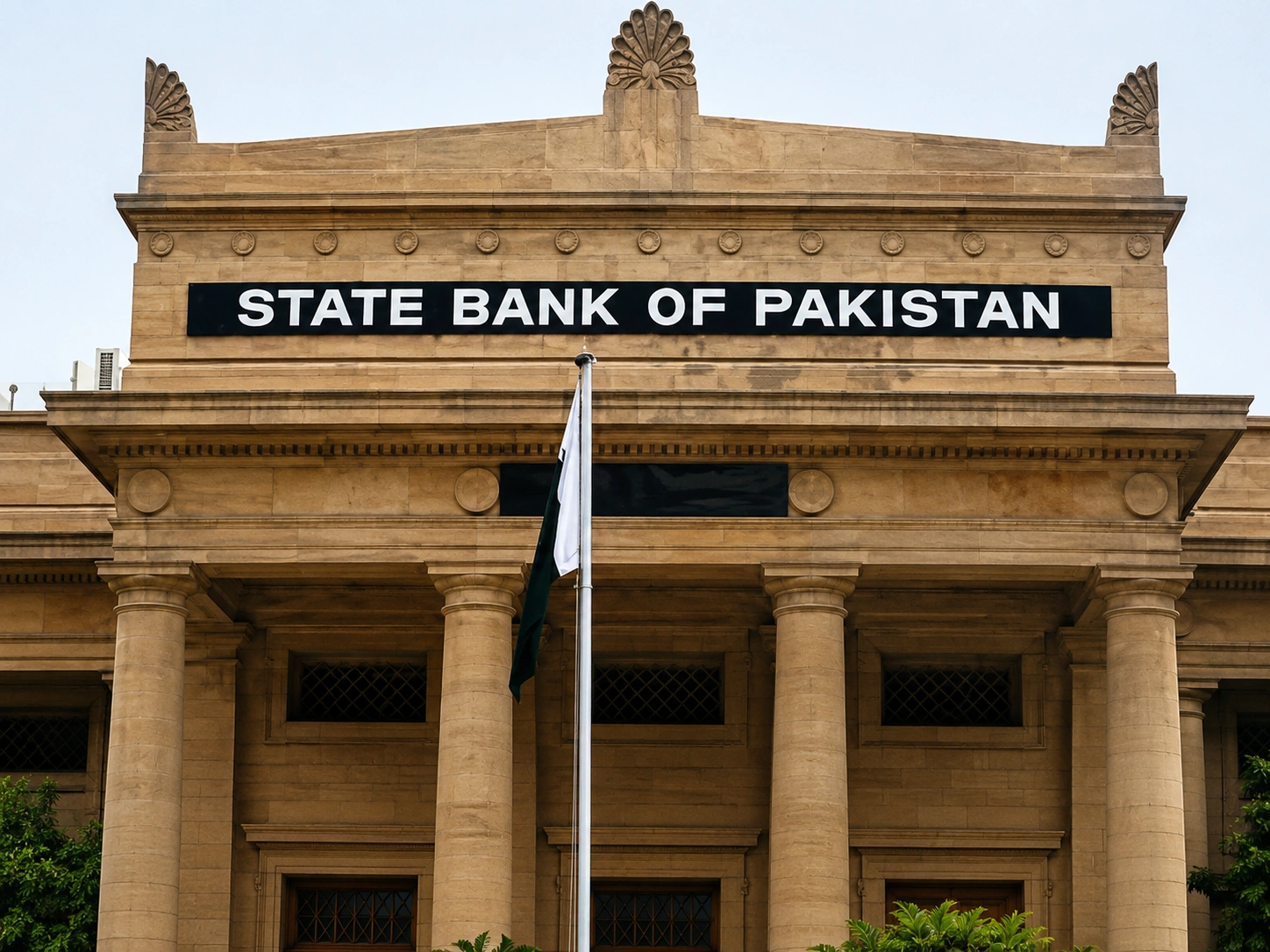
KARACHI: Naya Pakistan Certificates Riyal Dirham Investment Window of the State Bank of Pakistan has been expanded to include the Gulf currencies in the list of those acceptable for investments under the Naya Pakistan Certificates Scheme. In a circular issued to all commercial banks, it has been officially announced that the finance division of the government has approved the inclusion of Saudi Riyal and UAE Dirham.
This comes as a relief for the estimated nine million Pakistanis residing in Saudi Arabia and the UAE. Prior to this, if a Pakistani wanted to invest in NPC’s, it was necessary to convert their earnings in dollars or rupees. With the introduction of NPC’s Riayl Dirham, the need for conversion is eliminated completely.
Rate Structure Overview
Comparing every type of currency
As per the revised schedule of profit rates, there are five types of currency for which the profits vary as explained earlier. It is pertinent to note that Pakistani rupee certificates will continue providing the maximum profit margin because of the interest rate scenario in Pakistan. On the other hand, euro certificates provide minimal returns for investors. Newly issued Naya Pakistan certificates riyal dirham are positioned in the middle between euros and dollars.
"Over 62 percent of every dollar that flows into Roshan Digital Accounts ends up in NPCs. Adding riyals and dirhams is not a small tweak it is a direct line into Pakistan's largest overseas labour market."
The SAR and AED return packages are also the same in that they are 25 bps less than the return on their USD counterparts for all maturities. This gap is intentional in order to provide the central bank with the latitude to attract dollars rather than Gulf currencies without compromising the attractiveness of the Naya Pakistan Certificates Riyal Dirham program.
ALSO READ: SBP Puts 75 Years of Pakistan-China Friendship Into a Single Coin
Why Gulf Currency Remittances are Significant, More Than What the Exchange Rate Implies
Gulf countries provide the bulk of remittances to Pakistan
Both Saudi Arabia and the United Arab Emirates are responsible for most of the remittance revenues that flow into Pakistan in any fiscal year, topping $35 billion in the previous fiscal year. Remitting money from these countries back home has always been an easy process; however, putting the remitted money to work in structured investments is quite challenging. This is where the 'Naya Pakistan Certificates – Riyal Dirham' scheme comes into play.
Roshan Digital Account (RDA): the mode of delivery
The NPCs can be accessed via the RDA which is SBP’s leading overseas investment vehicle introduced in 2020. Since its introduction, the RDA has recorded an impressive $12.744 billion inflow in total — an impressive amount considering it is only five years old. Out of this total, over 62 per cent of the money has been invested in NPCs.
According to the State Bank, about $8.15 billion out of the total RDA inflows has been invested in local government bonds, stocks, and real estate. The net liability of about $2.44 billion that needs to be managed and increased at the same time is the core issue for the RDA.
Implications for Pakistan’s External Account
Each and every one of those dollars (or riyals, or dirhams) that come into Naya Pakistan Certificates rather than arrive as remittances is something quite different from the other. Remittances are spent. NPC inflows stay in the banking system, thereby giving the government access to funds as well as the central bank some foreign exchange.
It is not just about expanding the number of certificates available for the Gulf’s huge workforce of Pakistanis. Rather, it is an attempt to turn them from remitters into investors by using their own currency to make investments instead of having to buy some other currency for that purpose. The success of such a move is contingent upon awareness, trust, and the continued stability of the platform through which it is being carried out.


Leave a Reply
Your email address will not be published. Required fields are marked *