
Pakistan and IMF Deadlocked Over Rs1.7 Trillion Gas Circular Debt
Pakistan and the IMF are back at square one following yet another round of negotiations in which the two sides have failed to find a common ground on how to resolve Rs1.7 trillion in circular debt that has piled up in Pakistan’s gas industry. The stalemate of Pakistan IMF Gas Circular Debt is expected to be sorted out during the next round of negotiations, which is set to take place in September, leaving a key structural benchmark of the IMF program unmet.
The dispute revolves around a core accounting issue with huge implications for the capital markets; there is no compromise that can be arrived at between what the IMF demands and what the Petroleum Division of Pakistan is willing to accept.
The Point of Contention – Receivables versus Losses
The process envisaged by the IMF would result in the write-down being taken first against the accounts of the two state-owned gas companies in Pakistan, namely SNGPL and SSGC, and subsequently the government investing additional funds into them to increase their capital base.
Reasons for Why Pakistan is Resistant to the Idea – The Market Side
As far as the dilemma between transparent accounts and market stability is concerned, the dilemma faced by Pakistan regarding the IMF gas circular debt problem can be seen from Islamabad's point of view as follows:
Recognition of those debts as losses immediately may have a negative impact on the performance of the utilities' stocks in the markets.
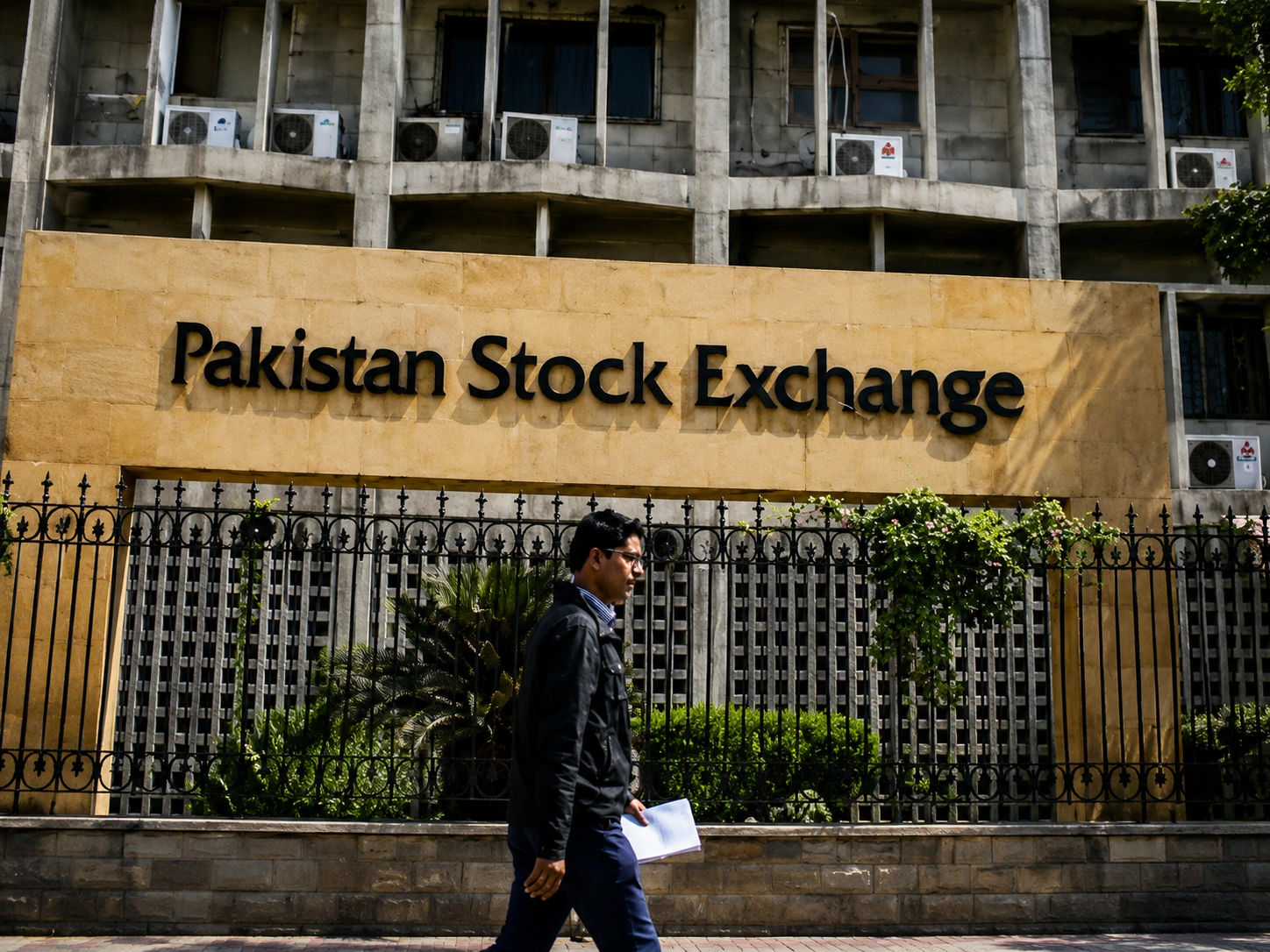
SNGPL and SSGC have listings on the Pakistan Stock Exchange. An unexpected big write-off of recoverable receivables — an asset on the balance sheet — turning them into bad debts would significantly decrease the companies’ net asset value and could raise investors’ concerns about their financial health.
When it comes to a government that is running a vulnerable stock market amid such tough geopolitical situation, implementing a policy decision that involves potential fall in the stock prices of two major utilities does not come without costs, even if it will bring long-term benefits for the company’s transparency.
Scope of the Issue – Rs3.3 Trillion
The problem between Pakistan IMF and gas circular debt is basically an issue that revolves around how to deal with the liability which is too huge to ignore. The circular debt in the gas industry has reached a staggering level of Rs3.3 trillion, one of the biggest liabilities in Pakistan’s energy industry.
Rs1.7 trillion in this dispute is the amount that does not easily fall into the category of recoverable debts because of being the outstanding balances owed to the utilities by their consumers and distributors that have not been recovered, according to the IMF’s recommendation.
Gas circular debt amounting to: Rs3.3 trillion
Amount disputed in negotiations: Rs1.7 trillion
Share of total amount: about 51 percent
Why is the IMF so insistent? - International Accounting Standards
In the Pakistan IMF gas circular debt impasse, there is another goal behind the IMF's position regarding bringing Pakistan's energy sector accounting in line with International Financial Reporting Standards:
"IMF's position is part of an overall program effort to bring Pakistan's energy sector accounting in line with international financial reporting standards through recognition of receivables which may not be recoverable anymore."
September Developments
The IMF Pakistan gas circular debt logjam is set for its next test point in September when both sides are due to begin talks again. The official line is that any revised framework coming out of this will inevitably include the IMF's requirement for more transparent accounting and a sustainable debt strategy.
The key issue for September is whether both sides can find some formula that allows for the transparent accounting that the IMF wants without causing a shock to the markets that the government does not want – or whether one side has to blink and accept the other side's terms as part of the deal.



Leave a Reply
Your email address will not be published. Required fields are marked *