
Pakistan's Vast Livestock Can Become a Billion-Dollar Meat Export Industry
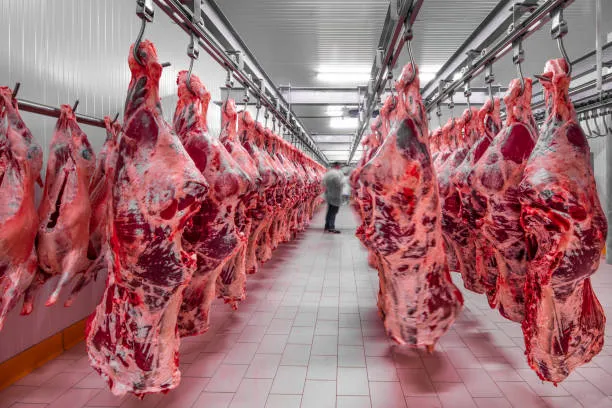
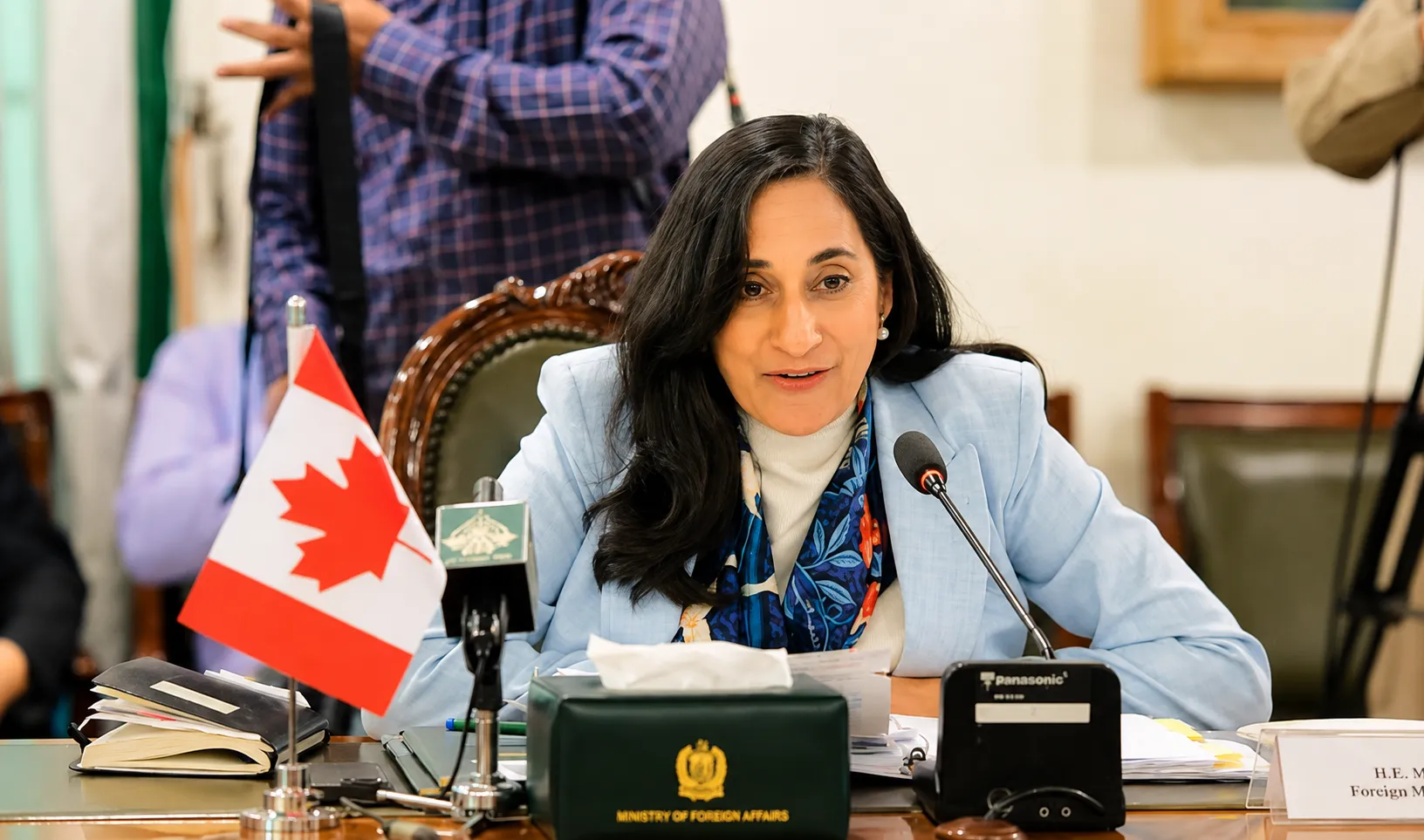
ISLAMABAD: Pakistan owns one of the largest livestock populations on earth. It has almost nothing to show for it in export terms. That contradiction sat at the center of a seminar the Islamabad Chamber of Commerce and Industry (ICCI) held Monday with Signature Skills and Certifications, titled "Future of Livestock and Meat Business."
The size of the sector first. Livestock made up 62.4 percent of agriculture's value addition in FY2026 and 14.6 percent of GDP, according to the Pakistan Economic Survey. That's more than wheat, cotton, rice and sugarcane put together. But exports sit around $333 million a year. Brazil, for comparison, exported over $16 billion in beef in 2024 different scale of business entirely. Pakistan's biggest buyer last year was the UAE at $201 million. Saudi Arabia came in at $141 million, up 65 percent on the year before. Kuwait, Qatar and a few Central Asian countries make up most of what's left.
Pakistan Meat Exports
Three problems came up again and again from the panel: cold storage that isn't reliable, certifications foreign buyers don't fully trust, and trade rules that change with every new government.
Also Read: How to Store Sacrificial Meat After Eid al-Adha So It Lasts Up to a Year
Tahir Ayub, ICCI's acting president, didn't soften it, the animals exist, he said, the processing pipeline to export them doesn't. He said the chamber would keep pushing government and industry toward the certification and infrastructure fixes exporters have wanted for years now.
What's Holding Back Meat Exports?
Brig. (Retd) Adil Ashraf Naveed, who runs Fauji Meat Limited, pointed to something narrower costs going up, farming methods stuck in the past, and both of those feeding into the compliance failures that get shipments turned away at the border.
Dr. Shehzad Jadoon of Alltech Pakistan came at it from a different direction. His point: export strategy is pointless if the animals themselves aren't raised to a standard that passes international inspection.
Peerzada Wajid Hussain Shah former WTO chief, now a trade policy analyst argued Pakistan's edge here is natural, not built. What's actually missing: traceability that works, sanitary compliance that holds up under scrutiny, and trade policy steady enough that an exporter could plan five years out without guessing.
Raja Tahir Lateef, CEO of Signature Meat, said the rising global appetite for halal meat is an opening Pakistan hasn't grabbed yet, and pushed for modern slaughterhouses, better packaging and trained workers to go after it.
Sajjad Hussain Langrial chaired the session for ICCI's meat and livestock committee. Vice President Irfan Chaudhry wrapped things up, saying more seminars like this one are coming.
No new policy came out of the seminar. But there was broad agreement in the room on one thing: the livestock is already there. Whether Pakistan builds the infrastructure and rules to actually compete for premium markets is a decision that gets made somewhere far from a seminar hall.
Leave a Reply
Your email address will not be published. Required fields are marked *