
ISLAMABAD: Pakistan Auto Policy 2026 marks a major shift in the country’s automobile sector, as the government moves to phase out duties on imported cars, cut taxes, and introduce global safety standards.
According to sources, the government has completed its arrangements for the new Auto Sector Policy. This policy will be implemented from July 1, 2026.. The government has also started seeking the IMF’s opinion on the initial version of the new policy.
What the New Policy Aims to Achieve
The newly proposed policy aims to lower taxes, increase system transparency, and improve the standards of locally produced vehicles. This strategy aims at bringing Pakistan’s trade regulations at par with the rest of the world.
Also Read: Electric Bike Sales Skyrocket in March 2026 as Petrol Prices Surge
From the fiscal year 2027, the government will slash additional taxes levied on imported cars by 10% annually. Over the next four years, all additional duties will disappear entirely. Furthermore, standard customs duty rates will see a gradual reduction running through 2030.
Used Cars Get New Import Window
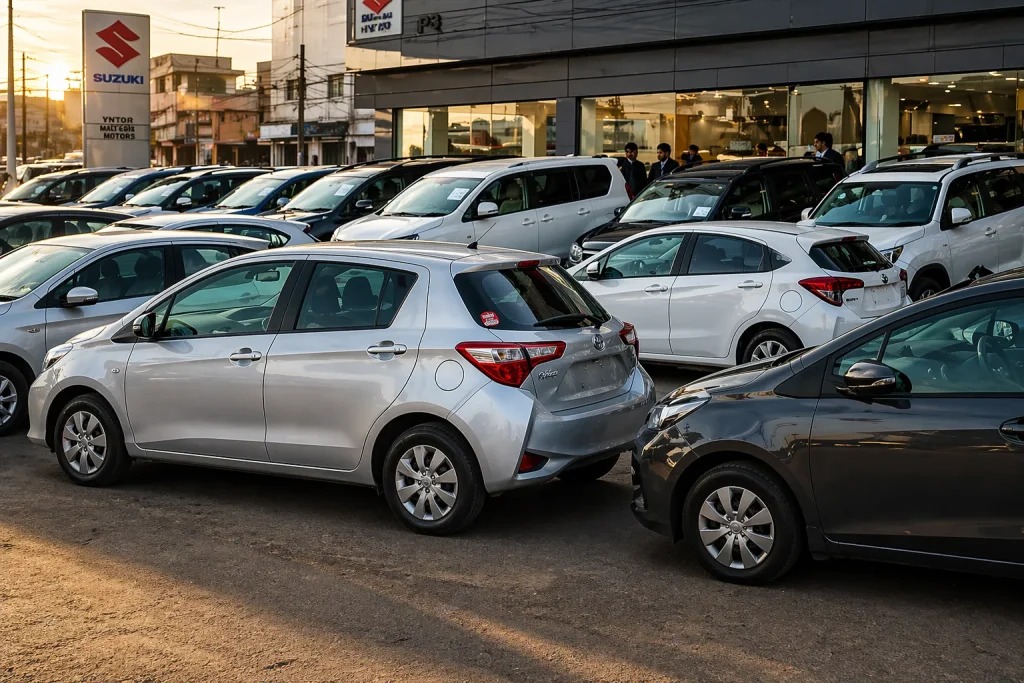
The policy also introduces significant changes for used vehicle imports. After the end of fiscal year 2027, the government will allow the import of cars up to seven years old, marking a major concession under existing laws.
In order to protect themselves from any potential risks related to such liberalization, the government has imposed strict conditions in the form of mandatory compliance certificates for any used car over the age of five years.
Local Manufacturers Face New Safety Standards
The government does not stop at imports, it also plans to raise the bar for domestically produced vehicles. The government plans to present a bill in Parliament to mandate the implementation of international safety standards in locally manufactured cars. The proposed legislation would make it mandatory for car manufacturers locally to provide cars with globally recognized safety features.
This comes after years of complaints from various sectors of the economy that locally manufactured cars do not meet internationally acceptable safety requirements, including some of the most fundamental ones.
IMF Consultation and Cabinet Approval on the Way
The policy will be finalized by the government this month and submitted to the International Monetary Fund for consultations. Once it is approved, it will be forwarded to the Federal Cabinet next month.
Sources within the Ministry of Industries and Production confirm that competition is the key driver behind this policy decision. By importing vehicles in greater numbers and paying less duties, the government hopes to undermine the monopoly that some car manufacturers exercise over the customers in Pakistan.
What This Means for Pakistani Car Buyers
For the consumer, however, such measures could result in cheaper cars, more options, and improved product quality.Import competition will push Pakistani car makers to produce higher-quality cars at lower prices.
Pakistan’s current tariff policy, which protects domestic producers against international competition, has been doing just that for many years. The government’s latest move aims to end protectionist policies and align Pakistan with global standards.