
Pakistan's Debt Hits Rs82tr as Watchdog Exposes Rs1.83tr Budget Blunder

ISLAMABAD: Pakistan’s total federal debt increased to Rs 82 trillion, and its top auditor has raised concern about a second issue worth Rs 1.83 trillion in a budgeting mistake, a double whammy that hits a finance ministry managing its debt department without a permanent secretary for six months.
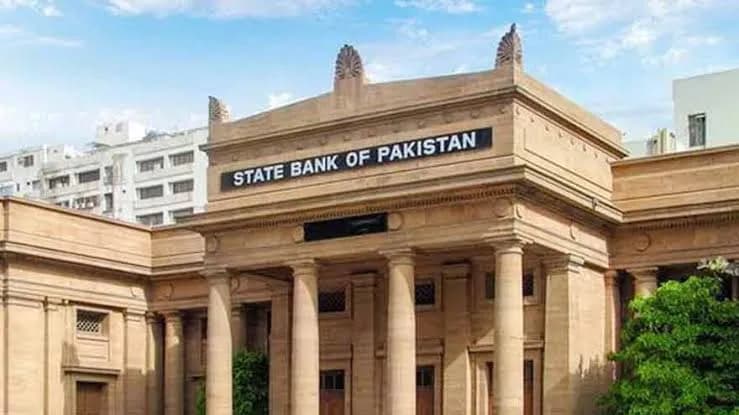
State Bank of Pakistan revealed the figures on Monday, which showed that the total federal debt excluding liabilities and IMF debts increased by Rs 5.9 trillion during the June to May 2025-26 period. That marks a 7.8% increase a full percentage point above the average inflation rate of 7%, exposing a widening gap between what the government owes and what it earns.
Pakistan Federal Debt Hits Rs82tr
The Auditor General of Pakistan compounded the pressure last week, accusing the finance ministry of irrational budgeting that produced Rs1.83 trillion in unnecessary excess expenditure. Auditors reviewing the 2024-25 appropriation accounts found the ministry allocated Rs24 trillion for principal loan repayment, added a Rs2.64 trillion supplementary grant, then surrendered Rs2.8 trillion only to watch actual spending balloon to Rs25.8 trillion anyway.
Also Read: Pakistan Receives $1.2 Billion IMF Financing Under EFF and RSF Deal
Behind both numbers sits a debt management office that has operated on an ad-hoc basis since January, with just one of three permanent director positions filled. The finance ministry handed the other two roles to consultants as additional charge rather than filling them outright.
Debt Office Vacancy Continues
The Senate Standing Committee on Finance pressed the issue in May, when advisor Omar Khan told lawmakers the ministry was still shortlisting candidates for the Director General Debt Office post. Khan offered no timeline. The Prime Minister's Office later inquired about the vacancy itself, though no appointment has followed.
The borrowing breakdown reveals where the pressure is building. Domestic debt climbed to Rs58.1 trillion, an increase of Rs4.7 trillion in one year, while domestic short-term debt jumped by 32%, reaching Rs10.7 trillion from Rs8.1 trillion, although interest rates had fallen. Foreign debt increased at a less pronounced rate, increasing by Rs1.3 trillion to Rs23.8 trillion, mainly owing to the appreciation of the rupee to Rs278.4 against the dollar.
One figure stands out for its scale: federal short-term external debt jumped from Rs201 billion to Rs2.7 trillion within a year. The central bank attributed the spike to a reclassification of long-term debt into short-term categories, but offered no further breakdown of what drove the shift.
Auditor Flags Budget Blunder
Auditors didn't mince words in their findings, stating plainly that controls within the finance ministry require strengthening to accurately assess actual debt repayment needs. That conclusion carries weight given Pakistan's continuing commitments to the IMF and World Bank, both of which have pushed for stronger debt oversight as a condition of ongoing support.
With interest payments alone set to exceed Rs8 trillion this fiscal year, and the debt office still without a confirmed chief, the finance ministry now faces mounting scrutiny over whether Rs16 billion in daily borrowing is being managed or simply absorbed.




Leave a Reply
Your email address will not be published. Required fields are marked *