
Pakistan Poverty Rate Surges to 28.9%, Nearly One in Three Now Below Poverty Line
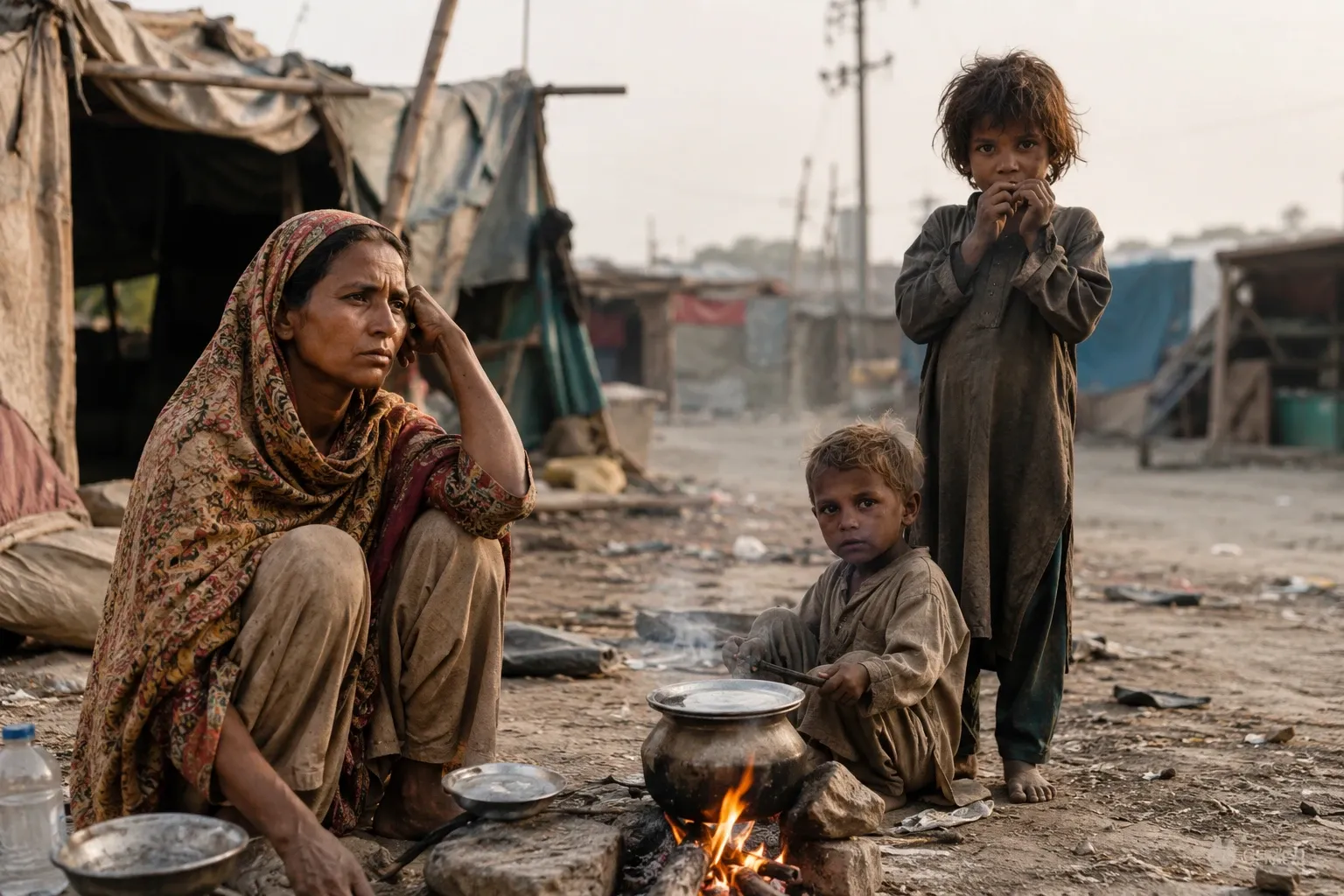
ISLAMABAD: A fresh government count puts nearly three in every ten Pakistanis below the poverty line and that single number understates how fast the ground has shifted beneath ordinary households.
The Ministry of Planning, Development and Special Initiatives released them this week. Poverty: 28.9 percent for FY2024-25. Six years back, in 2018-19, it was 21.9 percent.
Money explains part of it. To count as "above the poverty line" today, an adult needs to spend Rs8,483.80 a month. In 2018-19, that bar sat at Rs3,757.85. Rents, electricity bills, flour, cooking oil all of it costs more now, and the ministry's own threshold had to move to keep pace.
Pakistan Poverty Rate Climbs Across All Provinces
The provinces tell four different stories. Punjab is still the country's best performer, for what that's worth at 23.3 percent, up from 16.5. Sindh climbed to 32.6 from 24.5. Khyber Pakhtunkhwa is the one to watch up nearly seven points to 35.3 percent, a pace that ought to worry whoever's managing that province's books.
Also Read: How Pakistan Became the World's 7th Most Generous Nation
Balochistan is its own category of bad. Just under half the province 47%, now falls below the line. And this isn't even a new bottom for Balochistan. Officials had actually pulled that number down to 42.2% by 2015-16, clawing back from a brutal 76.5 percent in 2005-06. Ten years of gains, sliding the other way again.
Go back further and it's worse. 2005-06: 50.4%. Two years later, 44.1. Then 36.8 in 2010-11. 29.5 in 2013-14. 24.3 in 2015-16. By 2018-19, the country had gotten it down to 21.9, the best number Pakistan had ever posted on this measure. FY2024-25 wipes all of that out in one report.
Ask the ministry why, and there isn't one clean answer. Currency depreciation. Energy prices. Wages that never caught up. They all hit at once, and the report doesn't try to rank them. What it does make plain: the poverty line has grown more than sixfold since 2005-06, and most of that jump came after 2022 when inflation stopped being a talking point and started being the story.
None of this leaves much room for comfort at the policy level. Cash transfer programmes like BISP will need to expand faster than they have, and inflation will need to come down, before the next survey has any chance of showing a different trend. Balochistan, sitting at nearly 50 percent, is where that pressure will land hardest and first.

Leave a Reply
Your email address will not be published. Required fields are marked *