
Pakistan May Access Russian Oil Under New US Temporary Licence

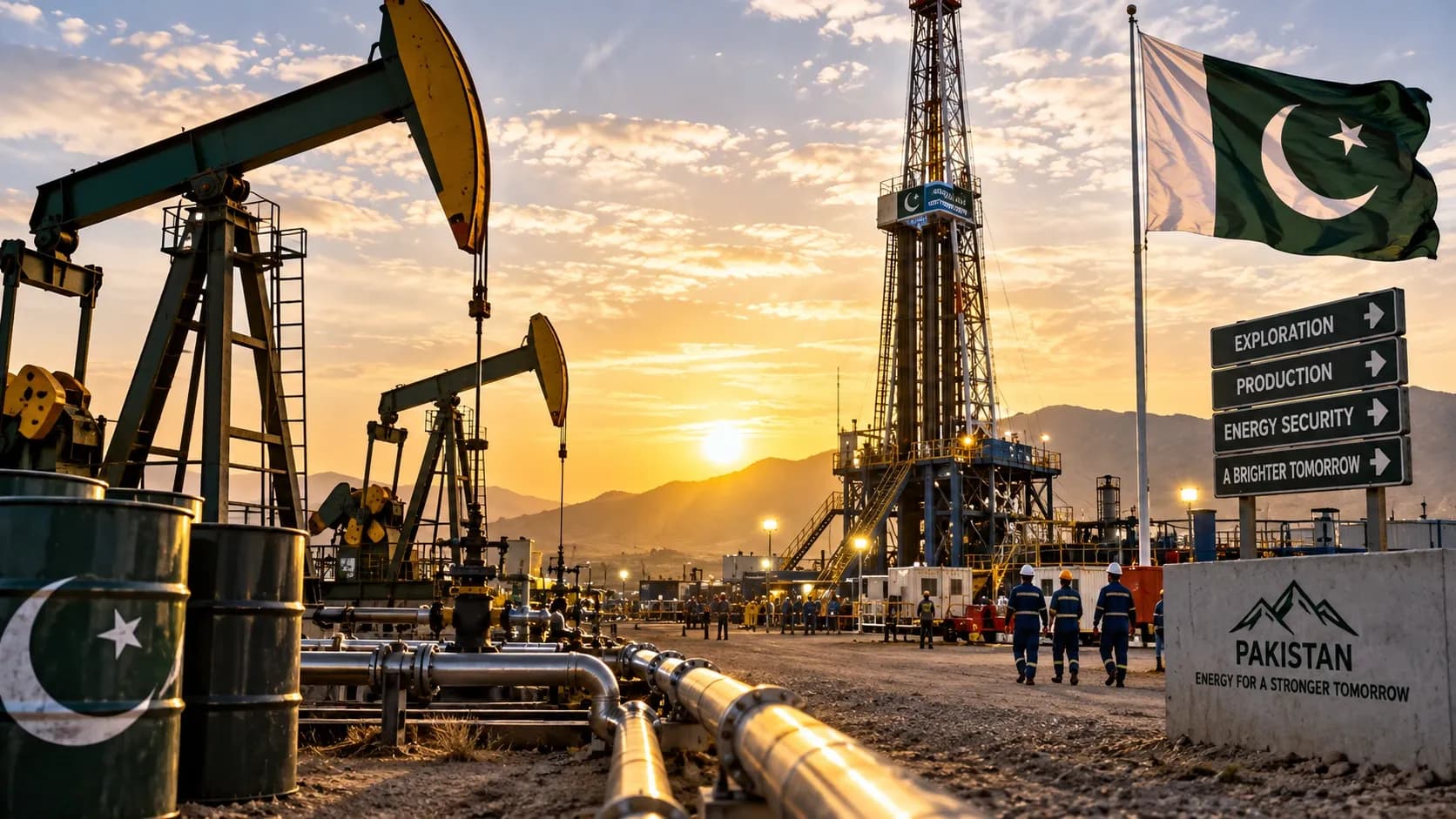
WASHINGTON: The access of Pakistan to Russian oil has now become a reality as the US government has issued a temporary 30-day general license enabling some energy-dependent countries to buy Russian oil, which is a major policy change on the part of Washington, according to diplomatic sources.
The licence was directly approved by Scott Bessent, the US Treasury Secretary, as a strategic move aimed at stabilising international oil markets, and ensuring that the oil stuck on ships gets to countries experiencing difficulties due to the challenges posed by sanctions and geopolitical uncertainties.
30 Days for Russian Oil Stuck at Sea to Be Reached
Russian oil access through Pakistan is covered by the general license system, which was announced by Bessent on his official X account on Monday. This license will enable the most vulnerable countries importing energy to reach Russian oil stuck at sea, which is not able to find any buyers because of complications arising from international sanctions on shipping and financial transactions.
The license is seen by Bessent as a stabilization strategy with dual aims. First, it offers supply assistance to countries which are struggling due to high crude oil prices worldwide and low supply levels. Secondly, it will limit the capability of China to obtain cheap Russian oil at the expense of countries which need it more urgently.
"Such a general license will aid in stabilizing the physical crude market to ensure that oil flows to the most energy vulnerable nations," Bessent added, framing the move as an energy humanitarian effort instead of a change in American sanctions against Russia.
As per the Treasury Department, it has been assured that they will cooperate with each country to issue specific licenses apart from the generic 30-day period, thus paving the way for Pakistan Russian oil access to continue beyond the temporary period provided if Pakistan proves its intentions and capability.
Refinement Infrastructure Poses a Major Constraint
Russian oil imports in Pakistan have been hindered by a logistical issue that has been pointed out by diplomatic experts as the key issue Pakistan needs to overcome. Pakistan has never imported Russian crude on a large scale before; therefore, it lacks the logistical support, payment system, transportation, and most importantly, refinement infrastructure for processing Russian oil.
The Russian crudes are different from those of the Middle East, which the Pakistani refineries currently process. It would take time for the refinery operators to make the necessary changes in order to process the new crude specifications, especially within the limited period of 30 days that the current US Treasury general licence provides.
ALSO READ: How Imported Oil Keeps Pushing Pakistan Into Economic Crisis
A Window That Might Not Stay Open
The chance for Russia to have access to oil through Pakistan comes at a time when Islamabad is experiencing high costs for energy due to several factors. The conflict in the region around the Strait of Hormuz has contributed to an increase in the price of oil globally, which in turn has led to a rise in Pakistan’s energy import costs.
The discounted Russian oil would be a direct solution to that problem, lowering the cost per barrel of imported oil, which would have a multiplying effect on all aspects of the country’s energy chain, starting from refining through to power generation and ending with the price of fuels sold to consumers. The savings would be tangible for a country whose economy benefits from any saving on energy imports.
Specific Licences for Countries That Have Taken Action
There is no need for the general licence to expire after 30 days if the specific action taken by Pakistan regarding Russian oil is successful. Bessent clearly mentioned that the Treasury would work with individual countries to issue specific licences according to their needs, which means Pakistan could have a formal agreement for accessing Russian oil through the sanctions system.
The subsequent license path provides Pakistan with sufficient time to overcome its infrastructural and technical difficulties as noted by diplomatic sources, which would effectively transform a hurried window of 30 days into an extended supply chain that provides long-term financial advantages for the economically challenged country.


Leave a Reply
Your email address will not be published. Required fields are marked *