
Pakistan Unveils First-Ever Four-Year Hajj Policy With Full Digital Overhaul
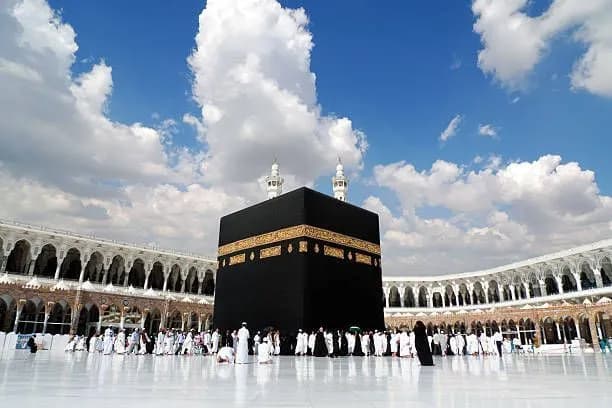
ISLAMABAD: The Federal Minister for Religious Affairs, Sardar Muhammad Yousuf, launched Pakistan's very first Hajj Policy for four years, namely from 2027 to 2030. The Pakistan four-year Hajj policy is being launched with the objective of establishing transparent and digitized governance, accountability, meritocracy, and logistic facilities for pilgrims during the period of four years.
Speaking at a press conference in Islamabad, the minister called it much more than a simple update on an existing policy. "It is not only a policy, but it is also a beginning of a radical reform of Hajj arrangements," he noted, implying that for the government, this is not a minor tweak of the current process but a structural change.
For the very first time in Pakistan’s history, there is an option to select the Hajj year of choice, under a four-year policy for the first time in Pakistan’s history. The advantage of the policy is that it offers families and individuals a lot of flexibility in making plans based on their needs, rather than being bound by one annual registration period.
Three to four year contracts can now be signed for lodging, transportation, meals, air travels, and logistics arrangements. This is likely to lead to improved quality and reduced prices, as long term agreements are always advantageous in terms of rate negotiations and improved standards. This will certainly be an added advantage for pilgrims within the new framework.
ALSO READ: Hajj 2027 Registration Opens Today Under First-Come, First-Served Policy
Pakistan Four-year Hajj Policy: The Entire Hajj Process Goes Digital from End to End
According to Sardar Yousuf, “all the processes of the Hajj program, starting from the application process up to the grievance redressal process after Hajj will be done in a totally digital way.” The digital first strategy is among the pillars of the Pakistan four-year Hajj policy.
Regarding the quota system, the minister said that the quotas of the government as well as private Hajj program will continue to maintain the ratio of 60% and 40% from 2027 until 2030 unless modified by the federal cabinet. It was mentioned by him that the government plans to gradually move towards being a regulating authority instead of managing the Hajj affairs.
In this new approach, pilgrims will now be required to register for their desired Hajj year by making an estimated 10 percent deposit of the overall cost of Hajj at the time of registration. Selection for participation in the Hajj will be done using the "first-come, first-serve" principle via a clear waiting list on the computerized system.
In addition to this, the Minister of Hajj has confirmed that multiple Hajj package schemes, ranging from different durations of Hajj, will now be available under the Government Hajj Scheme. Any excess amount deposited for Hajj will be refunded to the pilgrims after completion of the operations.
Yousuf Sardar has announced that all procurement and contract awards made during the four-year Hajj policy in Pakistan would be done on a transparent basis as per the rules set by the governments of both countries for such procurements. All public and private Hajj schemes would be reviewed by an independent third party.
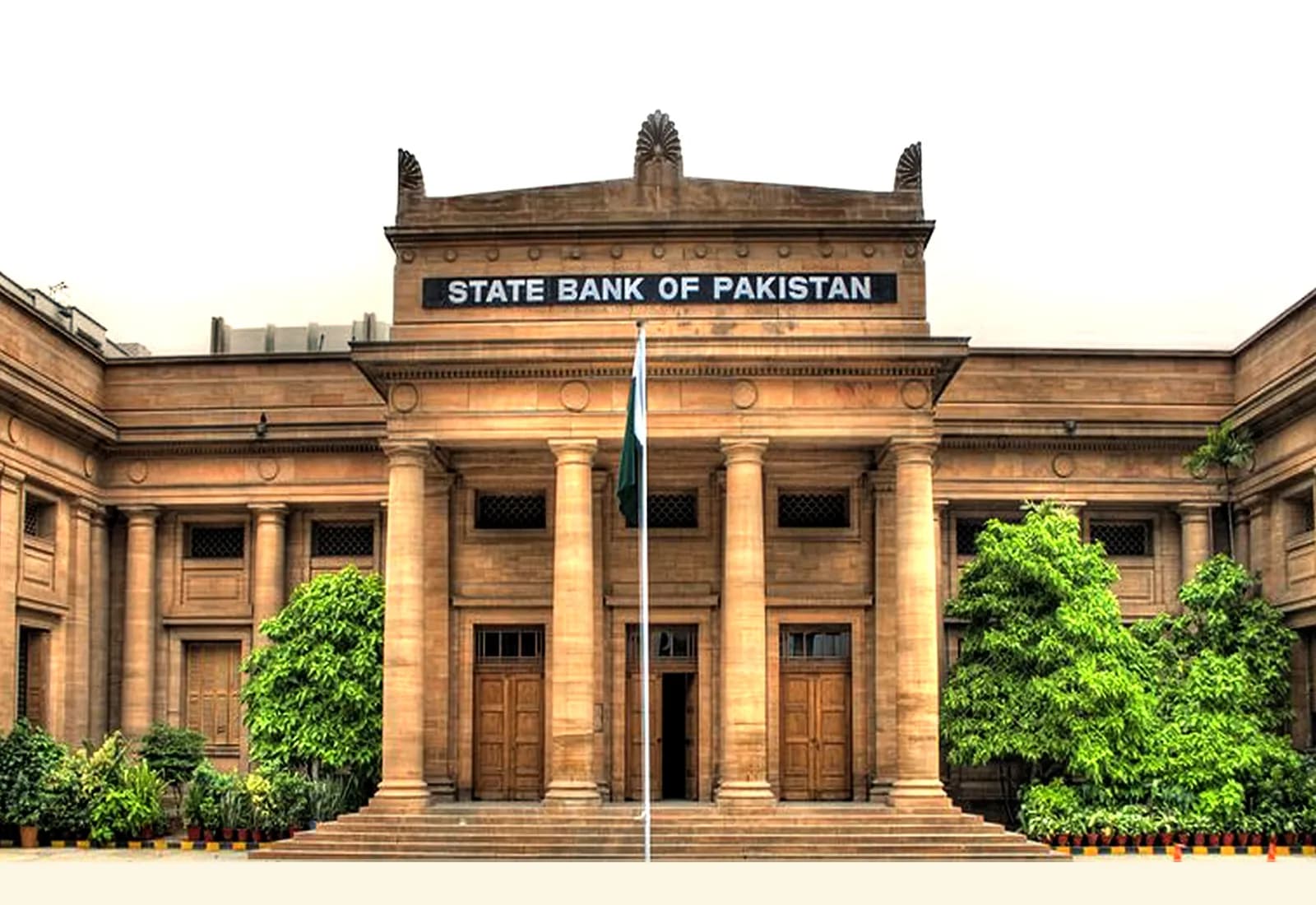
He explained that going forward, registration and monitoring of private Hajj firms will depend on their performance and service standards, and not just on the allocation of quotas only. The minister noted that all private Hajj companies should use the PHMP portal whereby booking, payment, monitoring, and auditing will be carried out using digital means. Furthermore, he pointed out that all payments for Hajj must go through the designated government banks.
In relation to the procedure of handling complaints, the minister stated that a modern complaint management system, proper monitoring, and an appeal system will be introduced in order to facilitate the speedy resolution of pilgrims' complaints.
He added that a comprehensive criterion based on merit will be developed by the Cabinet Committee for the selection of Hajj assistants in order to employ only the best candidates for this post. The training of pilgrims will be further improved in Hajj procedures, mobile applications, health, emergencies, and Saudi Arabia's relevant laws.
The minister reiterated that the Hajj Protector program shall continue in the new policy by offering compensation in case of death, accidents, or evacuation in case of emergencies during the Hajj period. In reference to emergency readiness, he further added that an emergency management system and team shall be set up for any emergencies during the pilgrimage.
According to Sardar Yousaf, the four-year policy of Hajj in Pakistan has been intentionally made compatible with the Saudi Vision 2030 and international standards. In doing so, transparency, digitalization, and improvement of the facilities for the pilgrims will be achieved. According to him, the newly formed policy will not only help in making a good plan for the future but will increase the confidence of millions of pilgrims as well.




Leave a Reply
Your email address will not be published. Required fields are marked *