
SBP Clarifies Domestic Visa Card Transactions Will Not Be Charged in US Dollars
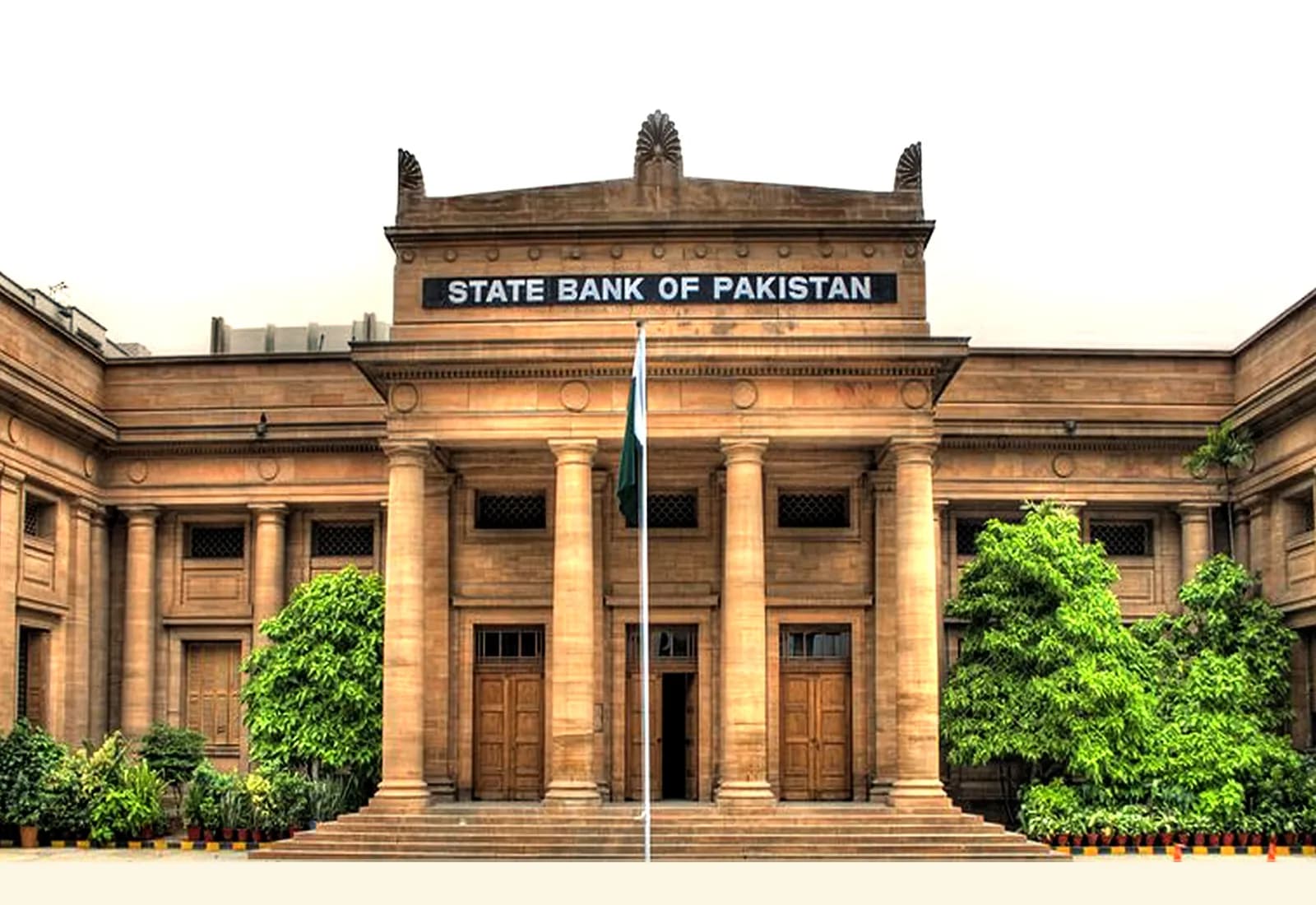
In the discussion, the SBP Governor clarified domestic Visa card transactions made in Pakistan are settled in Pakistani rupees and not in US dollars, which answered the point of confusion that led the Senate committee to ask such questions. He also said that SMS alert services for transactions were optional services and could only be used after the consent of the consumer. It was observed that most commercial banks provide SMS alert services through mobile banking application and emails as well.
SBP Clarifies Domestic Visa Card Transactions Will Not Be Charged in US Dollars
Clarification in this regard has been provided by the State Bank of Pakistan (SBP), which confirmed that transactions made through Visa cards in Pakistan are not charged in US Dollars but rather in Pakistani Rupees. This was done to answer the questions raised about the banking service practices before the Senate Standing Committee on Finance and Revenue. The discussion took place in a committee meeting under the chairmanship of Senator Saleem Mandviwalla, where various issues of customers have been discussed related to banking services and transactions.
It has been made known to the committee that together the commercial banks contribute about Rs80 billion per annum under the Pakistan Remittance Initiative (PRI). The members of the committee were grateful for the changes made through the initiative and observed that the amount of Rs80 billion has been saved annually due to this.
The panel further looked into complaints related to issues encountered by customers of banks, especially PEPs. According to MNA Muhammad Moin Amir Pirzada, although prior instructions had been issued, commercial banks still failed to establish uniform SOPs in respect of customer cases. It was pointed out by him that he himself had lost his bank account in April 2026, while his communications with the concerned bank as well as the SBP remained unheeded. It was recommended that the central bank devise a mechanism for updating customer information annually in order to avoid such cases in the future.
In reaction to these apprehensions, the SBP Governor stated that rules concerning PEP accounts were already in place but admitted that the flaws found by the committee were due to the execution at branch level as opposed to any flaw in the policy itself. He told the committee that a backup officer had already been appointed and that a focal person would be appointed to deal with complaints, thereby improving customer service.
The Finance Minister Senator Muhammad Aurangzeb too gave his backing to the introduction of standardized banking practices, saying that such standardization of SOPs for commercial banks would help customer service and complaint redressal system of the entire banking industry.
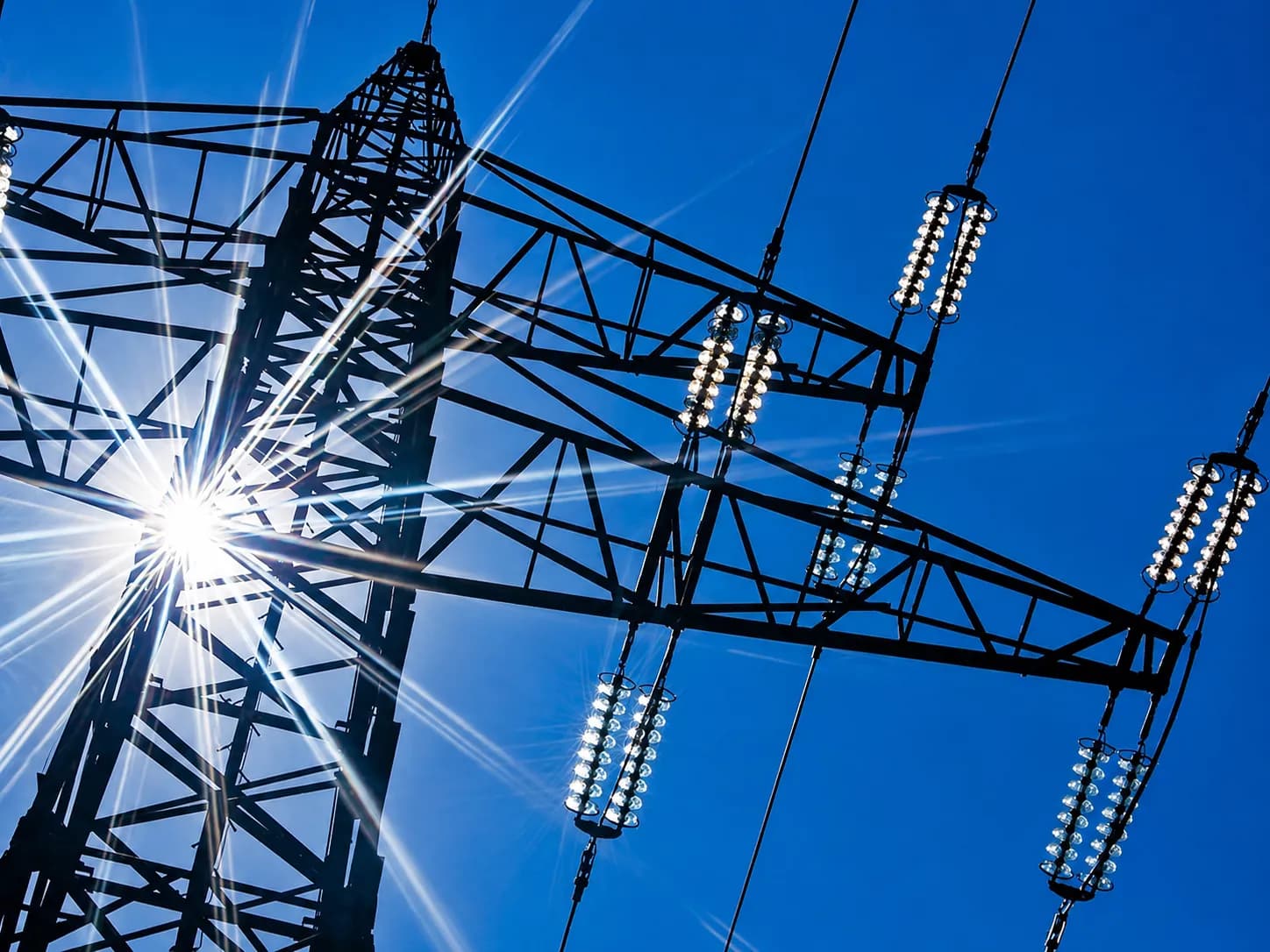
In addition to this, the committee deliberated on the taxes paid via electricity bill payments. The Chairman of the Federal Board of Revenue (FBR) made an appearance before the lawmakers and apprised them of the fact that approximately Rs476 billion have been collected via electricity bills. This collection included Rs351 billion sales tax and Rs124 billion adjustable withholding income tax.
There were also complaints pertaining to workplace dressing policies in some banks. Senator Dr. Zarqa Suharwardy Taimur complained that there was an attempt to force some female employees to wear abayas, whereas Senator Sherry Rehman emphasized that no one should be forced to wear any particular dress. The SBP Governor informed the committee that the earlier recommendations on the matter had already been sent to commercial banks.
It was clarified that the committee had made a recommendation about wearing modest dress and had never asked any bank to wear abayas or any other particular dress. All banks were ordered to provide information related to human resources dress code policy and the SBP was ordered to issue new guidelines for employees to avoid any undue coercion in this regard.



Leave a Reply
Your email address will not be published. Required fields are marked *