
Pakistan’s Textile Exports Climb to $16.67 Billion Over 11 Months
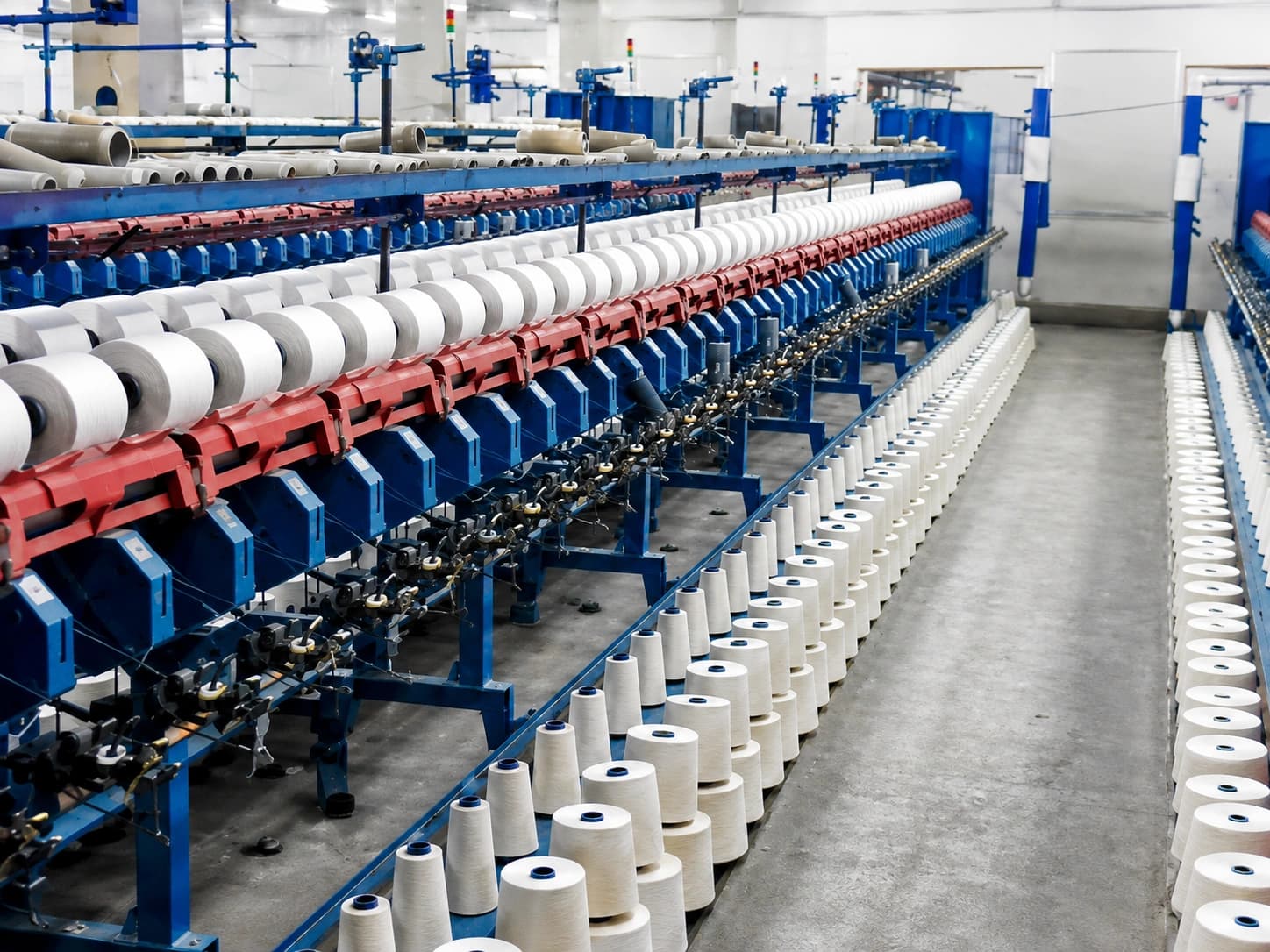
ISLAMABAD: Resilience within the domestic manufacturing industry is clearly visible from a worldwide perspective. The Pakistani textile exports have shown steady 1.83% increase in year-on-year terms and have reached a level of $16.665 billion within the first 11 months of fiscal year 2025-26. This can be clearly witnessed from the data released by the Pakistan Bureau of Statistics (PBS). It should be noted that Pakistani textile exports were worth $16.365 billion in the corresponding period last year.
In contrast, there was an observable decline in primary and intermediate goods, including plain cotton fabric and artificial fibers.
Performance Analysis on Important Value Chains
The performance data classified into categories brings about a sharp differentiation between high value-added production chains and low-margin processing:
Knitwear and Apparels Prevalence: In the first place, knitwear continues to contribute the highest value chain worth $4.602 billion, up by 1.03%. Secondly, ready-made garment exports were able to grow at the most impressive rate of 5.43% to $3.973 billion.
Home Textiles and Yarns: Home textiles continued to exhibit a growth rate of 2.23%, thus increasing its export volume to $2.902 billion. Made-up textile articles contributed a total of $721.6 million to national exports.
Yarn and Raw Material: A striking feature is the massive growth in cotton yarns to $701.1 million by 13.35%. The raw cotton exports grew explosively by 199.20% to a mere $2.606 million.
Pakistan Textile Exports Performance (July–May FY 2025–26)
| Export Category | Export Value (July–May FY26) | Growth / Decline Percentage | Status / Market Trend |
| Total Textile Exports | $16.665 Billion | +1.83% | Overall Sector Growth (Up from $16.365B last year) |
| Knitwear | $4.602 Billion | +1.03% | Largest export category; sustained international demand |
| Readymade Garments | $3.973 Billion | +5.43% | Highest growth among major value-added segments |
| Bedwear | $2.902 Billion | +2.23% | Steady upward performance in home textiles |
| Cotton Cloth | $1.560 Billion | -7.43% | Notable decline; reflects shift away from basic fabrics |
| Towels | $995.34 Million | -0.01% | Market remained structurally flat and unchanged |
| Other Textile Materials | $735.70 Million | +9.24% | Strong secondary growth across miscellaneous goods |
| Made-up Textile Articles | $721.60 Million | +1.17% | Excludes towels and bedwear; stable performance |
| Cotton Yarn | $701.10 Million | +13.35% | Strong double-digit expansion for primary spinning |
| Art Silk & Synthetic Textiles | $330.11 Million | -9.73% | Significant drop in non-cotton processed variants |
| Tents, Canvas & Tarpaulins | $112.72 Million | -4.29% | Reduced international shipments for outdoor goods |
| Yarn (Other than Cotton) | $28.09 Million | -8.44% | Decline in synthetic and blended spinning lines |
| Raw Cotton | $2.61 Million | +199.20% | Highest statistical surge, though a minor total share |
ALSO READ: Pakistani Gig Workers’ Exports Set to Cross $1 Billion for the First Time
Sector Reversions: Cloth and Synthetic Reversals
Although there have been notable positive trends, some core sectors have experienced negative trends. There has been a fall in cotton cloth imports amounting to 7.43%, from an initial value of $1.686 billion to $1.560 billion.
May 2026 - Growth in Monthly Revenue
In May 2026, Pakistani textile exports amounted to around $1.640 billion, showing a significant growth rate of 10.80% in relation to April’s value of $1.480 billion.
Even though there are small differences in statistics among some of the trade reporting agencies with regard to the maximum monthly number, the overall trend that is emerging clearly indicates growth. This constant growth within the value-added manufacturing processes helps to demonstrate the advantage local textile companies have internationally.





Leave a Reply
Your email address will not be published. Required fields are marked *