
Arif Habib Confirms PIA Fleet to Reach 60 Aircraft in 10 Years
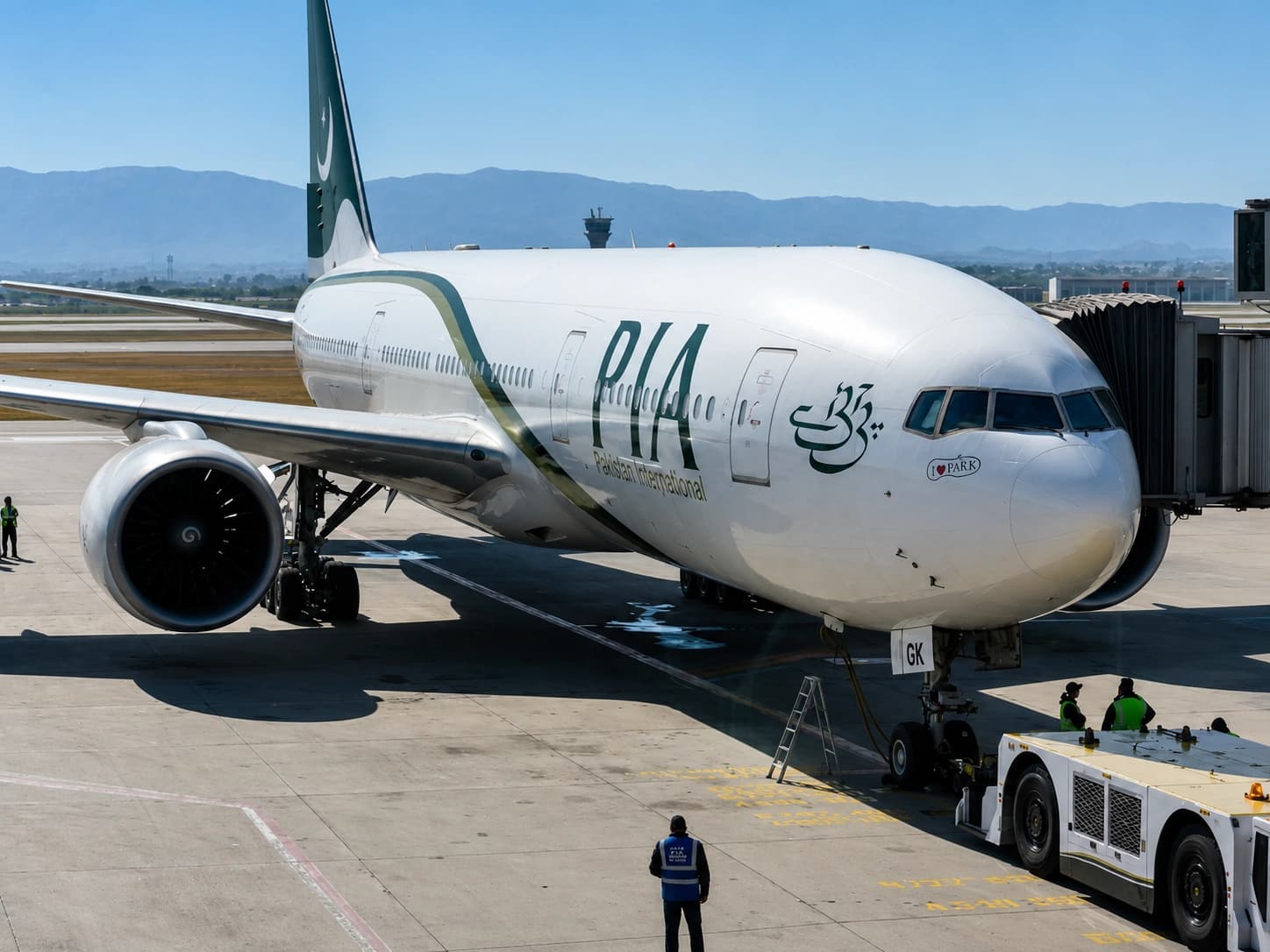
ISLAMABAD: According to Arif Habib, the business person heading the group who purchased a majority stake in Pakistan International Airlines, PIA fleet expansion, there is an increase in the number of aircraft in the airline to 60 over the next 10 years through a phased process – and efforts have been made to create a new management team.
"Once you add the airplanes and the quality senior management team, then you would see the difference in the performance of the PIACL."
Arif Habib, CEO, Arif Habib Corporation Limited
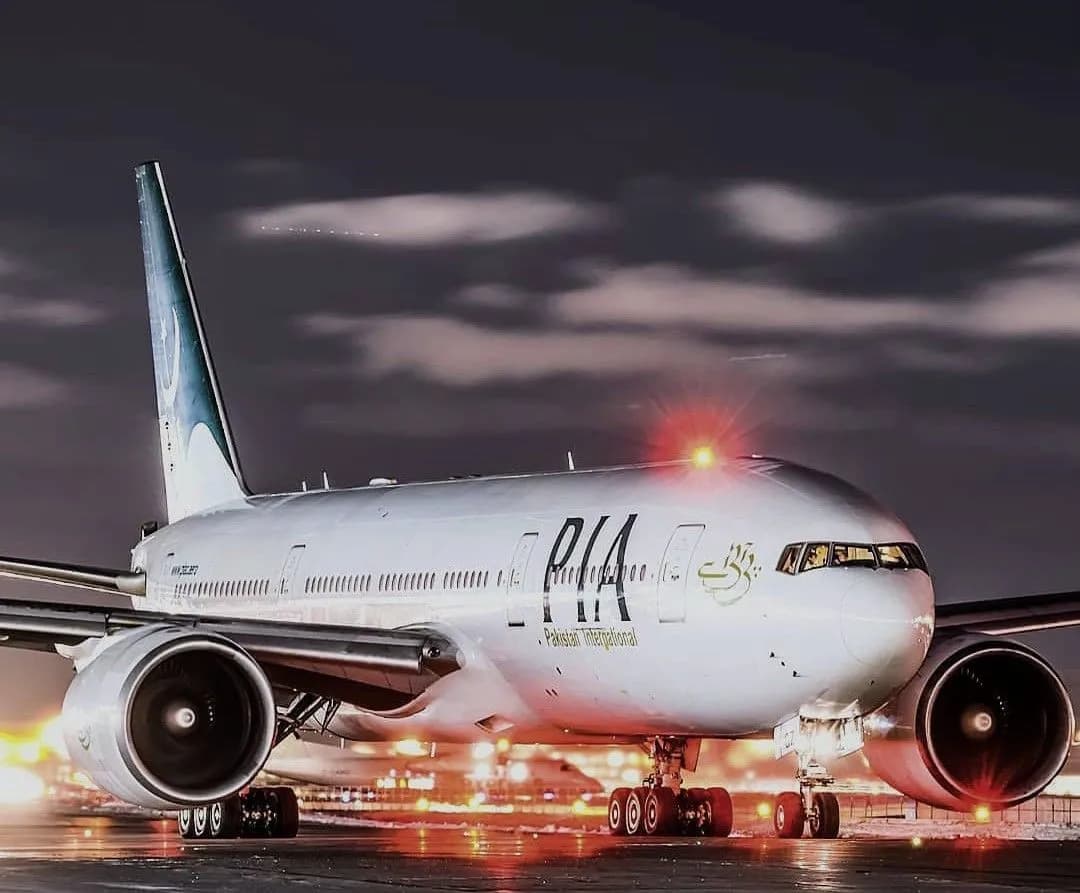
The PIA fleet expansion by 60 planes, confirmed by Arif Habib, marks a substantial increase for PIA over its present fleet size. This is against the background of the shrinking of PIA’s fleet over the years due to grounding of some aircraft and expiration of leases among other things. To have 60 planes is to go beyond the past maximum number of PIA planes.
The Core Business of PIACL Is Profitable – An Important Point to Note
One important point mentioned by Mr. Arif Habib that cleared the air regarding the financial position of PIA was that he said PIACL, being the core business of the company, is a profitable one.
Arif Habib, CEO, Arif Habib Corporation Limited
Such differentiation is extremely important for investor confidence and the turnaround story. The headline losses made by PIA over the years were mainly due to legacy liabilities, pensions, over-staffing, and the cost burden from its properties and subsidiaries, but not from the operations of the flights that earn it money competitively.
PIA's Sales Tax Relief – An Element of the Privatisation Package
The tax relief offered to a recently privatised airline is a very common phenomenon in the world of privatisation because the new ownership can utilize their money for other purposes apart from tax payments.
Arif Habib on Pakistan's Investment Environment at Large
While Arif Habib has spoken about PIA in detail through the SECP Talk Series, he has also discussed his opinion regarding the investment environment in Pakistan as a whole.
Tax and Energy Problem:
The biggest problem facing investors is that of high production costs because of high energy costs and high tax rates in the region. The total tax rate comes up to around 60 percent, which includes corporate tax and Super Tax. Reduction in taxes and energy costs will result in increased investments.
However, he observed that many industries are working below installed capacity due to production costs which make their output non-competitive. He further stated that electricity rates can be reduced by Rs. 15 per unit by increasing consumption by 40 percent to 50 percent and reducing capacity charges.
Regarding IPPs’ agreements
Arif Habib refers to the agreements with Independent Power Producers, entered into between 2014-2015 as “extremely negative and disadvantageous” – an honest commentary on the agreements which have led to the circular debt issue and high rates of electricity, making industry suffer.
Arif Habib conveyed his optimism on the capital markets of Pakistan through past performance data as follows:
The Pakistan Stock Exchange has generated a yearly return rate of around 22 percent in rupees and 14 percent in dollars for many years, thus being one of the highest performing markets in the region.
He stressed the importance of increasing the awareness of the capital markets among Pakistani youth and emphasized the promotion of a culture of investing to increase participation linking the high past return performance of the PSX with the demographic dividend offered by Pakistan’s youth.
Chairman SECP Dr. Kabir Ahmed Sidhu hosted Arif Habib during the Talk Series and praised his sustained efforts for Pakistan’s capital market and finance sector. The session ended with a presentation of the shield — highlighting a discussion that featured not only the additions to the PIA fleet and Arif Habib updates but also focused on entrepreneurship, honesty, and the economy of Pakistan.
Leave a Reply
Your email address will not be published. Required fields are marked *