
Punjab's 20-Year Vehicle Cutoff Signals Bigger Shift Toward Electric Roads
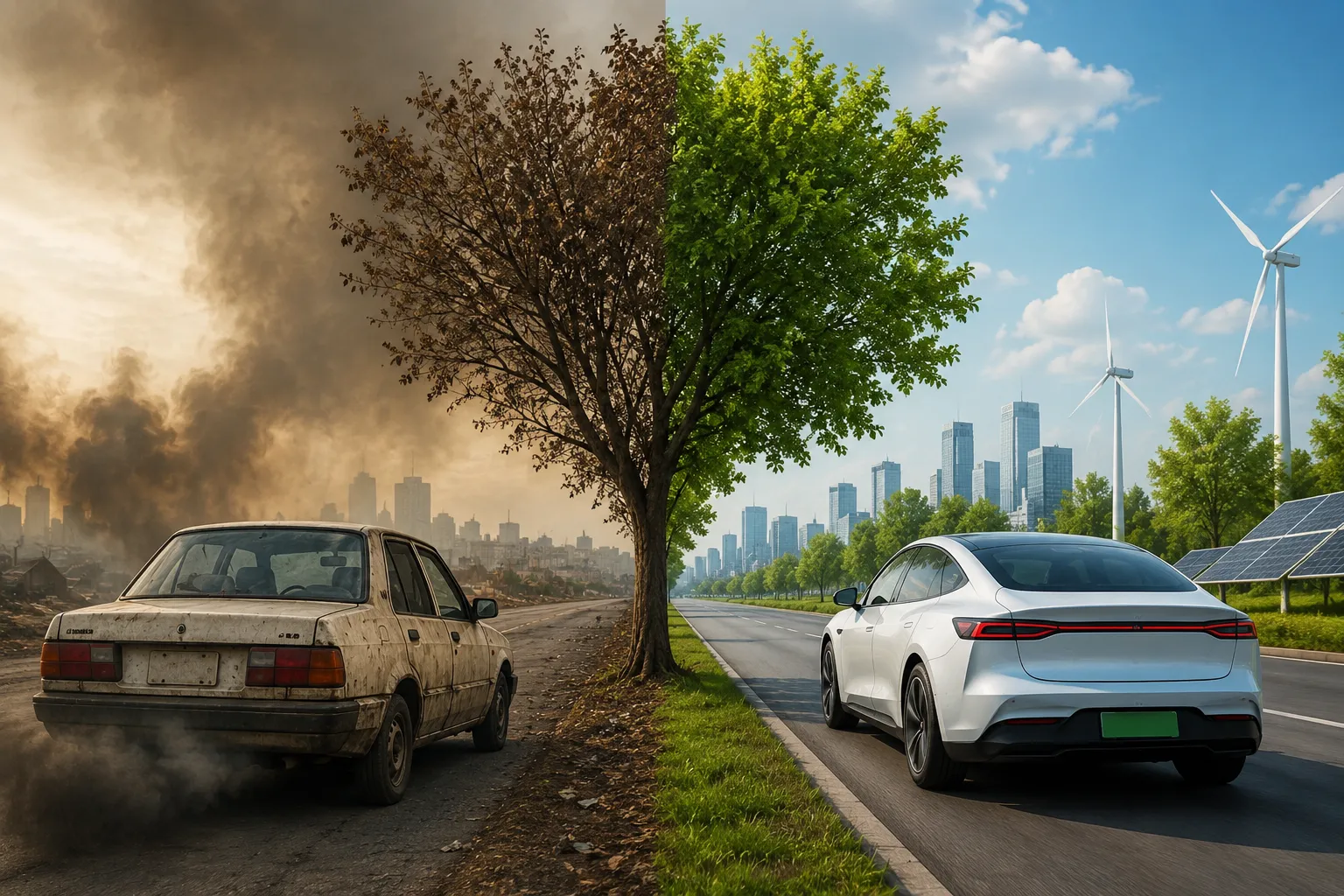
LAHORE: Punjab has finished drafting a policy that could push thousands of aging vehicles off the province's roads not overnight, but on a timeline officials haven't set yet.
The first New Energy Vehicle Policy of the province will soon be submitted to the cabinet for consideration. This policy aims at vehicles which have been in service for more than 20 years and recommends their gradual phase-out instead of total ban. It is the cabinet’s approval that will decide when the policy will turn into regulation.
Punjab Old Vehicle Policy Targets Aging Vehicles
The scope stays deliberately vague at this stage. The officials have yet to clarify whether there is parity in terms of time given to all types of vehicles, including personal cars, commercial vehicles, and motorcycles, or some will get more time. A huge chunk of Punjab citizens use vehicles beyond the age of 20 years, and for most of them, this happens because of their work-related requirements rather than their choice.
Also Read: Govt to Scrap 5-Year Age Limit on Used Car Imports
The quality of air is what lies at the core of this policy's rationale. Winter smog in Lahore has become a regular feature affecting public health, and transport emissions are amongst the major culprits. Vehicles manufactured two decades ago lack fuel efficiency and emissions control technology that the newer models possess. Retiring that segment of the fleet would cut into one of the province's largest pollution sources assuming enforcement actually reaches vehicles currently on the road rather than just new registrations.
Pakistan Electric Vehicle Policy
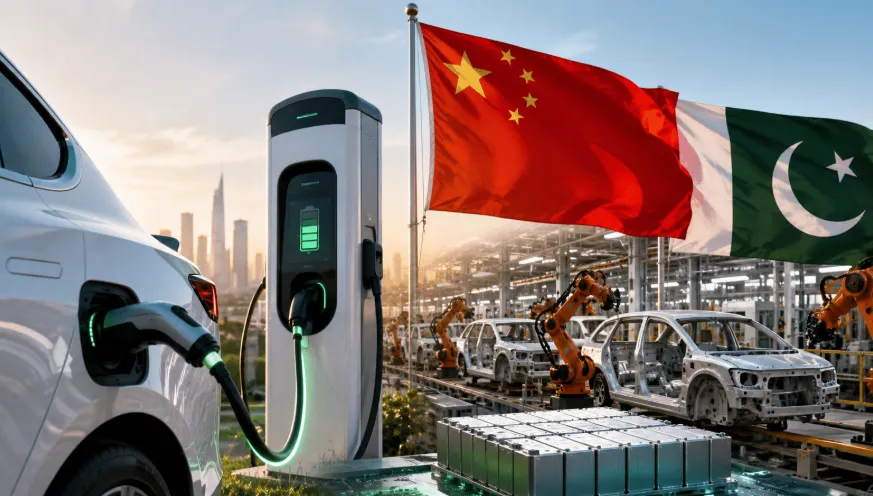
The policy reaches further than retirement, though. It sets groundwork for Punjab's shift toward electric and other new-energy vehicles, with officials aiming to use the framework to pull in investment across charging infrastructure, vehicle assembly and related manufacturing. A wave of replacement demand, if the phase-out proceeds as planned, could give local assemblers of fuel-efficient and electric vehicles a meaningful market boost.
Also Read: Pakistan Auto Policy 2026: Imported Car Prices Set to Drop as Govt Plans Duty Cuts
What the draft doesn't include matters just as much as what it does. The government hasn't announced scrappage payments, tax breaks or any other financial incentive for owners trading in older vehicles. Without that kind of support, the pace at which motorists actually comply rather than simply delay or ignore the rule remains an open question. Policies built on this model elsewhere have typically lived or died on the strength of the incentive attached to them, not the ambition of the emissions target.
Enforcement raises its own set of unresolved issues. Officials haven't explained how the province plans to verify a vehicle's age at scale, or how compliance will be tracked once the phase-out begins. Punjab's vehicle registration and inspection systems have historically struggled with exactly this kind of large-scale verification, and the government hasn't yet said whether new systems or checks will accompany the policy.
Cabinet approval is the next real milestone. Until ministers act, the draft stays a signal rather than a rule with teeth owners of older vehicles know a change is coming, but not when, and not exactly how it will apply to them.
It is apparent that Punjab's environmental policies have become increasingly linked with improving transport as part of the effort to promote public health and urban development. However, the phased approach will not succeed unless there is a definition of the phases involved. Right now, the province has committed to the destination without publishing the route. Whether the NEV Policy becomes a genuine template for cleaner mobility in Pakistan, or another ambitious draft that stalls after cabinet review, will come down to the operational details still missing from the plan not the policy's stated intent.
Leave a Reply
Your email address will not be published. Required fields are marked *