


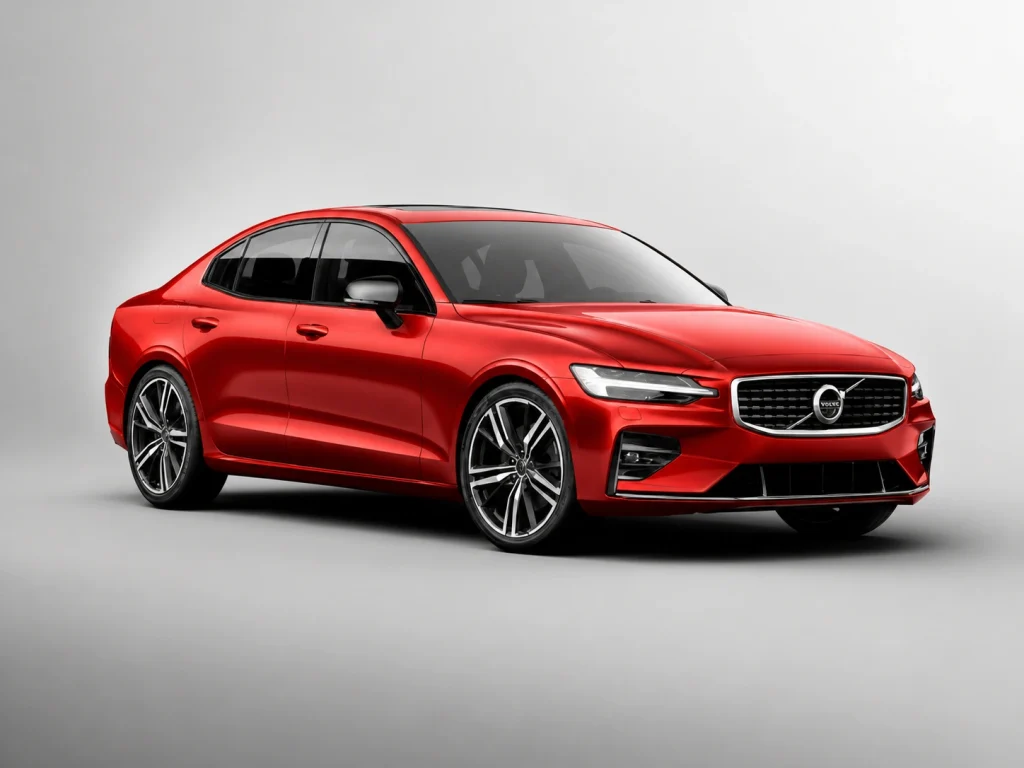
GOTHENBURG: According to reports by Volvo Cars, there has been a drop in profits of 16% compared to last year. Operating income stood at about 1.6 billion Swedish crowns, which is about $172.6 million. This drop in performance came amid several reasons, including US tariffs, lower demand, and the unexpected end of electric vehicles subsidies in the US. The company’s CEO, Hakan Samuelsson, admitted that it did not foresee such impact on consumer demand.
US Electric Vehicle Incentive Elimination Has Greater Impact Than Expected
The one and only event that contributed to Volvo Cars’ poor first-quarter results was the elimination of the electric vehicle tax credit in the United States when President Donald Trump came into power at the end of September. The American subsidy for electric vehicles before its withdrawal offered Volvo buyers a discount of $7,500 on the purchase of their plug-in hybrids.
In the first quarter alone, Volvo Cars Profit dropped 49%, while sales of its fully electric vehicles plummeted 14%. Samuelsson described the effect of the removal as harsher than expected, considering how much of its sales in America were plug-in hybrids. Analysts have pointed out that the move to do away with the tax credit would hamper America’s transformation towards electric vehicles, and now Volvo’s Q1 results have shown proof of their warnings.
Sales of US and China Units Slide Dramatically
Besides the problem of subsidies, Volvo cars also encountered other problems related to declining sales in some of the countries in which it operated. US sales declined by 32%, not only because of the problem of subsidies but also due to stiffening price competition among other car manufacturers who produced their automobiles in the United States. The situation was no better in China, where deliveries fell by 17%.
There was stability in Europe owing to the consistent demand exhibited throughout the quarter, although the extent of the fall in both the US and China was so severe that it could not be offset by regional stability.
The Premium Pricing Strategy Stands Strong
Despite the sales pressures, Volvo Cars indicated that it would not be using cutthroat discounting in order to regain its lost volume. According to Erik Severinson, the chief commercial officer of the company, Volvo would continue to follow the premium pricing strategy despite the negative consequences of the same in terms of reduced volumes. The priority for Volvo Cars was maintaining profitability margins rather than volume growth.
This strategy poses some risks in a competitive environment, but the experts observed that the recent cost reduction strategy initiated by Volvo Cars at an expense of 18 billion Swedish crowns was one reason why the loss in profits during the first quarter was not substantial.
US Manufacturing Growth to Cut Down on Tariff Exposures
In order to minimize its exposure to US tariffs, Volvo Cars intends to start manufacturing the highly popular XC60 hybrid vehicle line at its current factory in South Carolina towards the latter part of this year.The Swedish company will increase production of plug-in hybrid vehicles from the same plant in the coming decade. At present, Volvo Cars manufactures its cars in Europe and ships them to the US market.
ALSO READ: Indus Motor Profit Jumps 53% as Toyota Sales Surge in Pakistan
Pressure on Profitability Predicted Before Recovery
In terms of the future, the Swedish automaker predicts that profitability will continue to face challenges in the coming quarter because of increased production costs related to the production of its new all-electric model, EX60. As far as the stock market goes, the Volvo Car shares were down by 2.4% at mid-morning after opening with a 1% gain.

Focus Pakistan is an independent digital news and media platform dedicated to delivering credible, insightful, and impactful journalism across Pakistan and beyond. The publication covers a broad range of sectors including business, economy, technology, telecommunications, aviation, automotive, infrastructure, energy, tourism, public policy, and national affairs.
Committed to accuracy, transparency, and editorial integrity, Focus Pakistan combines breaking news coverage with in-depth analysis, feature stories, expert commentary, and research-based reporting. The platform aims to provide readers with timely, factual, and balanced information while promoting informed public discourse and responsible journalism.
Through its commitment to high editorial standards, Focus Pakistan strives to be a trusted source of news and analysis for policymakers, business leaders, industry professionals, and the general public.