

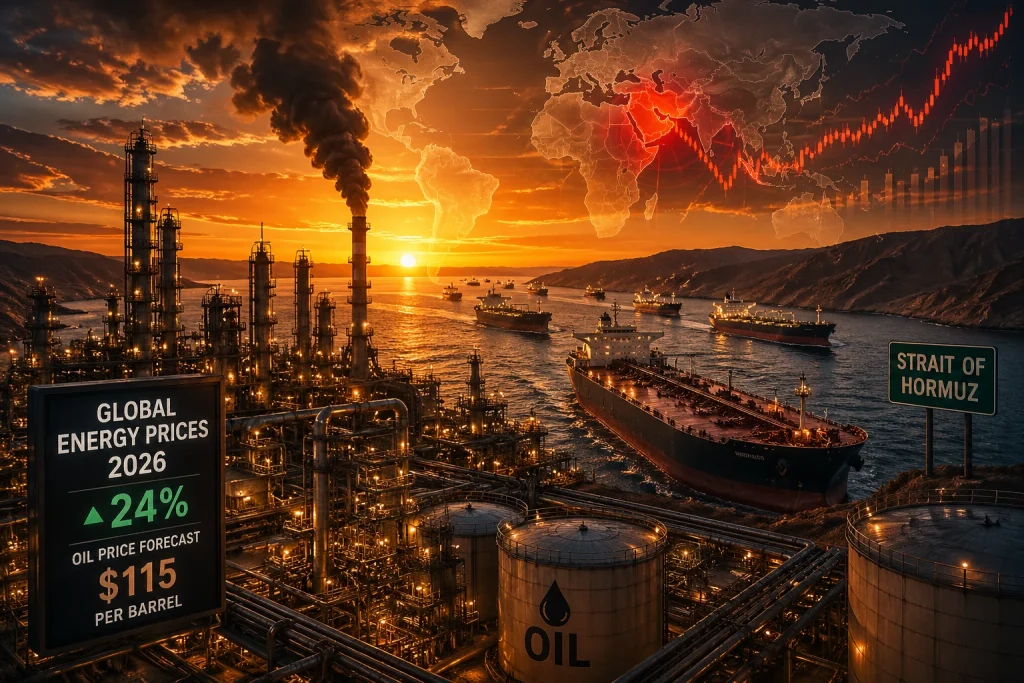
Washington: In the latest World Bank global energy price 2026 outlook, energy prices are expected to climb by 24 percent in 2026, representing the peak price levels since the Russian invasion of Ukraine in 2022. On average, commodity prices are projected to rise by 16 percent in 2026 due to the rise in energy and fertilizers prices, together with metal prices hitting their historical peaks.
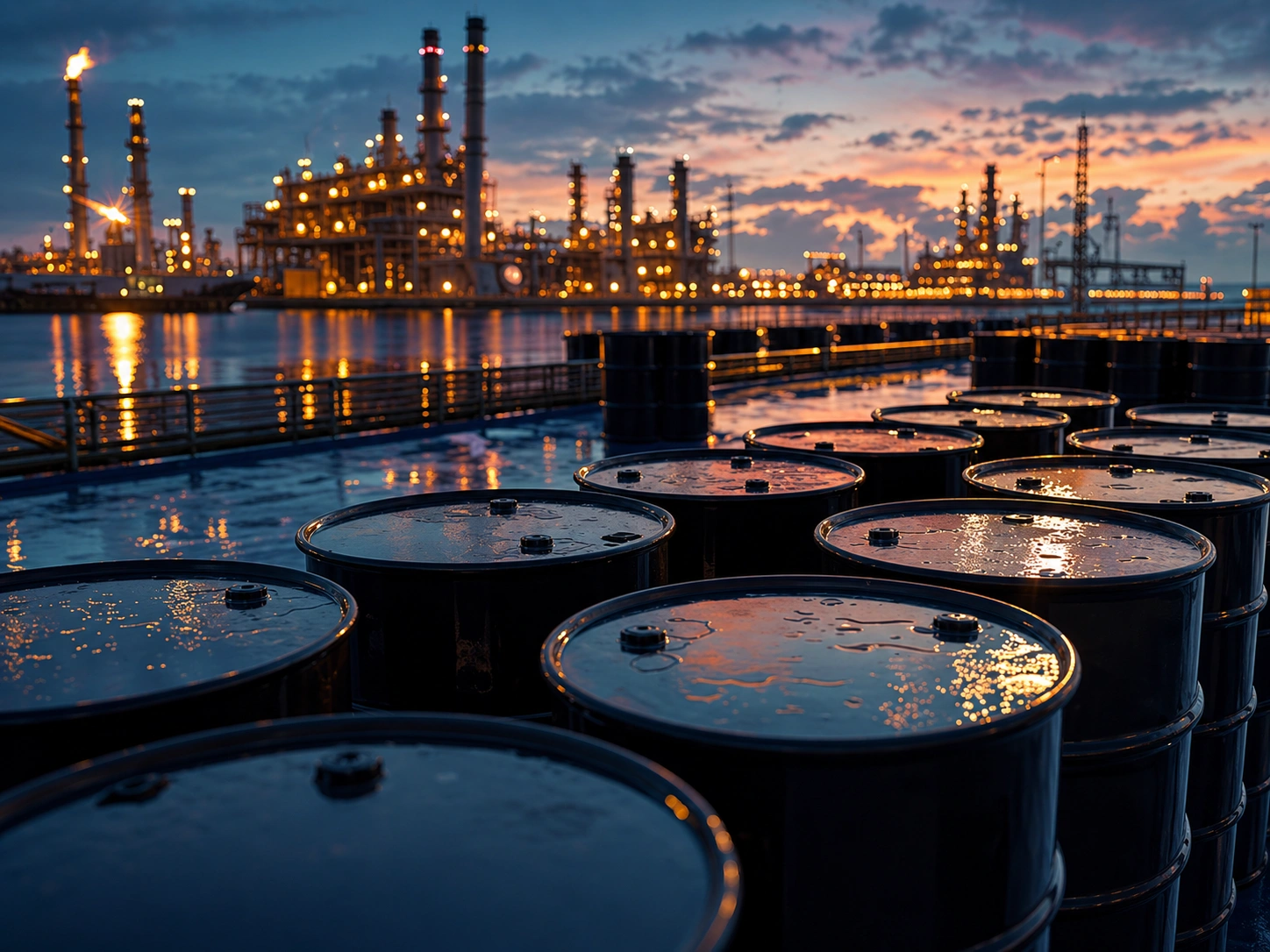
Oil shortages caused by strikes against energy facilities, as well as disruptions in the Strait of Hormuz, have caused one of the biggest oil supply shocks ever. Oil supplies pass through the strait at a rate of about 35% of total global trade in oil. Consequently, oil production has declined by an estimated nine million barrels per day.
On the other hand, this disruption is similar to the sum total of all the oil produced in Saudi Arabia.
Nevertheless, the prediction assumes an optimistic scenario. Even though the World Bank predicts that the volume of trade going through the Strait of Hormuz will soon normalize to pre-war levels by October, there are still risks of a spike in prices.
The Worst-Case Numbers Are Alarming
On the other hand, if the oil and gas infrastructure experiences further damages and slower recovery in exportation, then the average prices may go up to $115 per barrel in 2026. That scenario would ripple into fertiliser and biofuel markets, pushing inflation in developing economies to 5.8%, a level exceeded only in 2022 over the past decade.
World Bank Chief Economist Indermit Gill captured the cascading nature of this crisis. “The war is hitting the global economy in cumulative waves: first through higher energy prices, then higher food prices, and finally higher inflation, which will push up interest rates and make debt even more expensive,” Gill said. “The poorest households will bear the brunt of rising prices, as they already spend a larger share of their income on food and fuel, while developing economies grappling with heavy debt burdens will face even greater economic pressure.
Also Read: Iran Issues Strong Warning Over Gulf Oil Production Risk
Global Energy Prices 2026: Oil Shock Surge
It is not just the fuel crisis either. There will be a 31% increase in fertiliser prices in 2026 due to a 60% rise in the price of urea, which impacts farmers’ earnings and hampers the production of future crops. The long-running war might result in 45 million people being food insecure by 2026, the United Nations’ World Food Programme has warned.
The economists have revised their forecast for the economic growth of the emerging markets downward from 4% to 3.6%, while the inflation rate may rise from 4.1% to 5.1%.
Precious metals have likewise continued to set record highs for prices and price volatility, with average prices rising 42% in 2026.
World Bank Deputy Chief Economist Ayhan Kose advised policy makers to think clearly rather than react impulsively. “Governments need to resist the urge to take wide-ranging fiscal stimulus policies that will upset the markets and hurt their fiscal cushions. Rather, they must concentrate on providing quick and transient support to those who are most exposed,” stated Kose.
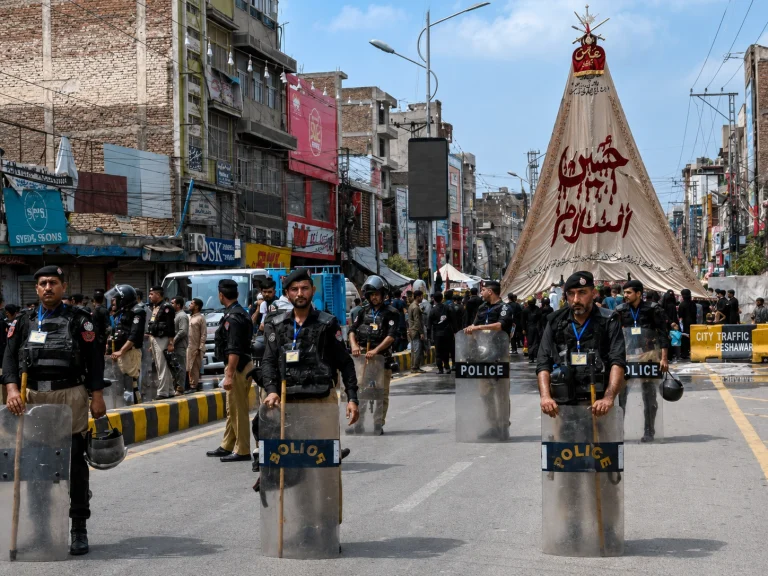
The warning is especially relevant for import-dependent nations such as Pakistan, where energy subsidies are already putting pressure on government finances. Increased oil prices mean increased tariffs for electricity, increased costs for transportation, and increased current account deficits, all at once, not to mention increasing costs to service debts.
The World Bank notes that during periods of geopolitical tension, oil price swings run roughly twice as severe as normal, with even a 1% drop in supply capable of pushing prices up by an average of 11.5%. That volatility alone makes long-term economic planning extraordinarily difficult for governments across the developing world.
The message from Washington is clear: the war in the Middle East is no longer a regional story. It now sits at the centre of every finance ministry’s budget projection, every central bank’s inflation forecast, and every family’s grocery bill.

Focus Pakistan is an independent digital news and media platform dedicated to delivering credible, insightful, and impactful journalism across Pakistan and beyond. The publication covers a broad range of sectors including business, economy, technology, telecommunications, aviation, automotive, infrastructure, energy, tourism, public policy, and national affairs.
Committed to accuracy, transparency, and editorial integrity, Focus Pakistan combines breaking news coverage with in-depth analysis, feature stories, expert commentary, and research-based reporting. The platform aims to provide readers with timely, factual, and balanced information while promoting informed public discourse and responsible journalism.
Through its commitment to high editorial standards, Focus Pakistan strives to be a trusted source of news and analysis for policymakers, business leaders, industry professionals, and the general public.