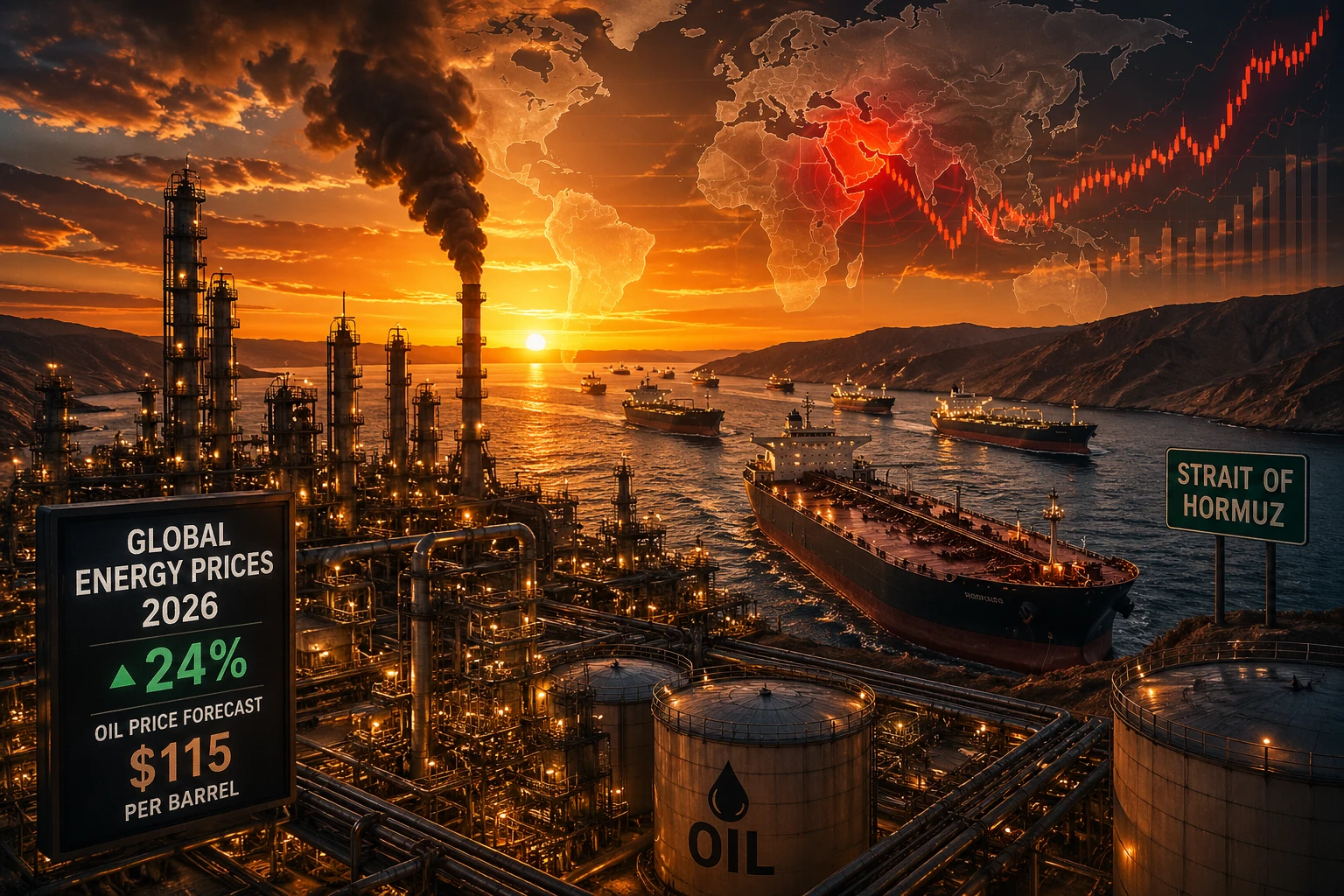


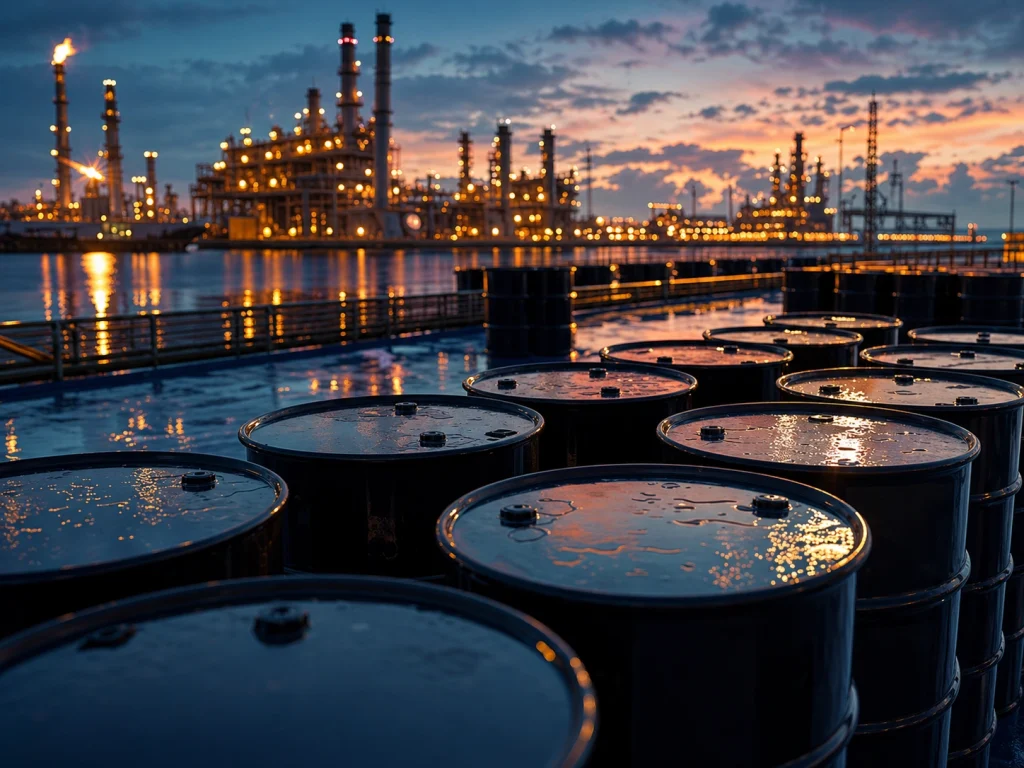
The cost of energy imports for Pakistan is now in very bad shape. The Pakistani Prime Minister, Mr. Shehbaz Sharif, announced that the cost of Pakistan’s Weekly Oil Import has risen to about $800 million, more than twice what Pakistan was paying before the current Middle Eastern conflict erupted. Addressing the federal cabinet meeting, the prime minister called this huge rise an “external shock” to the economy of Pakistan, which was only beginning to recover from its macroeconomic downturn.
From $300 Million to $800 Million in Weeks
The size of the rise is quite shocking. Before tensions in the region escalated to full-fledged warfare, the cost that Pakistan was paying weekly to buy its oil was about $300 million. This has now nearly trebled, owing to both the rise in the price of oil in international markets and disruption to important maritime routes due to the conflict. One such vital route is the Strait of Hormuz, where a large portion of the world’s crude oil passes through.
The Prime Minister informed the ministers of the exact numbers, declaring that the situation regarding fuel costs was entirely different from what it had been just weeks earlier.
Pakistan Oil Imports Fall as Authorities Monitor the Scenario
With the escalating cost of imports of oil into the country, the authorities have taken some conservation steps. The prime minister observed that there has been some reduction in fuel usage recently. The economic authorities keep a close watch on the whole scenario for any effects on the country’s trade balance, inflation rate, and foreign currency reserves.
Shehbaz Sharif PM has added that the government is engaging in consultations on fuel subsidy with the provinces for protecting consumers from the full brunt of increasing cost of energy imports. There still remains an inflation threat because energy price increase directly impacts the cost of transportation, agriculture, and manufacturing operations.
Reserve Stability Amidst Debts Repayments
In spite of the burden caused by the increasing expenses for importing petroleum products from Pakistan, the prime minister tried to assure his cabinet colleagues that the foreign exchange reserve of the country is still stable. The prime minister cited that there were many repayments made recently, such as the repayment of US$ 3.45 billion to UAE.
Moreover, he admitted that he was receiving continued assistance from Saudi Arabia, which had renewed a $3 billion deposit and provided Pakistan with a $5 billion credit facility. This would act as an adequate buffer for Pakistan amid the challenging external conditions due to volatility in the international energy markets.
ALSO READ: Global Energy Prices to Jump 24% in 2026 as Oil Shock Threatens Economy: World Bank
Diplomatic Efforts in Operation Despite Regional Crisis
Other than the economic front, PM Shehbaz discussed Pakistan’s diplomatic approach to the wider Middle East crisis with his cabinet. This includes references to diplomatic efforts linked to the US and Iran’s geopolitical crisis, and efforts toward ceasefires as well.
The Prime Minister expressed his gratitude to Field Marshal Asim Munir and the Deputy Prime Minister Mr. Ishaq Dar for their efforts towards the diplomacy they were engaging in. In addition to this, he expressed his gratitude towards the Minister of Interior Affairs, Mr. Mohsin Naqvi, for making sure that there were meetings conducted on a high level. Last but not least, he appreciated the peace discussions held between the Iranian Foreign Minister, Mr. Abbas Araghchi.
The Energy Market Remains Highly Volatile
The international energy experts have predicted that the price level of the Brent crude would be highly volatile in response to the further instability of the Middle Eastern region. The shipping bottlenecks, changes in the demand forecast, and uncertainties associated with the supply chain would continue to make the market nervous. For the energy-reliant economies such as Pakistan, the extended conflict situation would result in higher costs for oil imports per week.

Focus Pakistan is an independent digital news and media platform dedicated to delivering credible, insightful, and impactful journalism across Pakistan and beyond. The publication covers a broad range of sectors including business, economy, technology, telecommunications, aviation, automotive, infrastructure, energy, tourism, public policy, and national affairs.
Committed to accuracy, transparency, and editorial integrity, Focus Pakistan combines breaking news coverage with in-depth analysis, feature stories, expert commentary, and research-based reporting. The platform aims to provide readers with timely, factual, and balanced information while promoting informed public discourse and responsible journalism.
Through its commitment to high editorial standards, Focus Pakistan strives to be a trusted source of news and analysis for policymakers, business leaders, industry professionals, and the general public.