

LONDON: There were no delays in the global oil market. This was clearly seen on Monday when the prices of oil went up in reaction to the announcement made by President Trump stating that he did not consider the response made by Iran to a peace offer by the US acceptable.
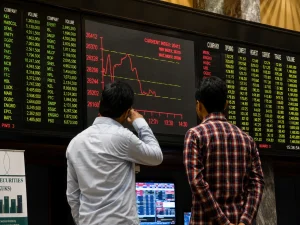
The Brent crude Oil prices surge to $4.16, representing an increase of 4.11% to stand at $105.45 per barrel by 0340 GMT. The US West Texas Intermediate contract rose $4.38, indicating an increase of 4.59% to $99.80 per barrel.
Hope From Last Week Vanishes Instantly
The timing of this week’s rally makes it all the more significant. The loss on both Brent and WTI was almost 6% last week due to expectations of the 10-week old war coming to an end and allowing the passage of oil shipments through the Strait of Hormuz, which will ease the supply squeeze faced by the energy sector.
With his refusal to accept the answer of the Iranian side over the weekend, the president has put an end to all hope. Oil prices soar as Trump snubs Iran and geopolitics takes center stage in trader psychology, with observers pointing out that every diplomatic statement by both governments has an out-of-proportion effect on international oil prices.
Priyanka Sachdeva, the senior market analyst for Phillip Nova, summarized it perfectly when she said that the oil markets were like a geopolitics headline generator where prices would suddenly change based on any news coming out of both capitals.
Market Significance of Trump’s Beijing Trip Becomes Massive
US authorities revealed that during his stay in Beijing, President Trump will be discussing Iran with Chinese President Xi Jinping among other issues, hinting at the involvement of Beijing’s diplomatic influence on Tehran in addressing the issue of Hormuz Strait disruptions.
ALSO READ: Aramco Made $32.5 Billion, So Why Is the World’s Oil Supply Hanging by a Thread?
Tony Sycamore, IG market analyst, stated that the market currently believes that President Trump will be able to convince Beijing to use their clout to influence Iran into signing an all-encompassing ceasefire. It will probably become clear whether this will happen, and what its impact will be on the price of oil, throughout the rest of the week.
One Billion Barrels Gone and Markets Need Time to Recover
Sunday brought another stark reality check from Saudi Aramco’s CEO, Amin Nasser, adding further context to Monday’s spike in oil prices amid rejection of Iran’s rally cry by Trump. CEO of Saudi Aramco, Amin Nasser, stated that the world has already lost about a billion barrels of oil within the last two months, and the recovery process for energy markets may still take a while, despite the full return of traffic in the Strait of Hormuz.
This analysis has credibility behind it. Two other tankers loaded with crude have also passed through the Strait of Hormuz in the past week, but with their tracking devices deactivated so as to avoid any attack from the Iranians, according to Kpler maritime data service information.
Analysts Predict High Prices Until 2027
According to ING’s analysis in a Monday report, even when the shock dissipates by the end of 2026, its effects will be far from over. The reduced stock levels, lack of policy coordination in major economies, and continued threats to Hormuz Strait will conspire to ensure the geopolitical risk premium in crude prices remains for many years to come.
Their price prediction is in line with that very truth. According to ING, Brent crude is expected to stay above $90 per barrel until 2026 after which it would slowly cool down to $80 to $85 per barrel by 2027 – not an abrupt change but a gradual one.
Oil prices jump as Trump nixes Iran deal. Events prove one thing for sure: peace is still far away, and there won’t be any dull moments in the market until that ceasefire comes around.

Focus Pakistan is an independent digital news and media platform dedicated to delivering credible, insightful, and impactful journalism across Pakistan and beyond. The publication covers a broad range of sectors including business, economy, technology, telecommunications, aviation, automotive, infrastructure, energy, tourism, public policy, and national affairs.
Committed to accuracy, transparency, and editorial integrity, Focus Pakistan combines breaking news coverage with in-depth analysis, feature stories, expert commentary, and research-based reporting. The platform aims to provide readers with timely, factual, and balanced information while promoting informed public discourse and responsible journalism.
Through its commitment to high editorial standards, Focus Pakistan strives to be a trusted source of news and analysis for policymakers, business leaders, industry professionals, and the general public.