


ISLAMABAD: There has been a threefold increase in the HEC degree attestation cost this week as it has been declared by the Higher Education Commission that the HEC degree attestation cost will rise from Rs1,000 to Rs3,000 per application. This will go hand in hand with the implementation of the entirely digital system of attestation of degrees.
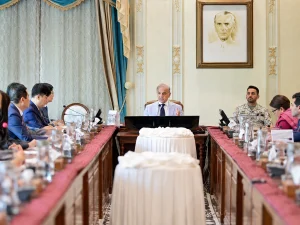
Niaz Ahmad Akhtar, chairman of HEC, has officially approved the updated cost structure, as well as announced the launch of an online system to manage the whole process of attestation virtually. This development has been brought to bear on all students, graduates, and professionals residing within Pakistan.
Reasons for the Rise in the Attestation Fee by HEC
The rise in the atestation fees for the HEC degree is not just an increase in fees; it also involves something else. According to the chairman Akhtar, some amount from the application fees will be passed directly to the universities for document checking, which will provide sustainability to the process.
Universities were engaged in the task of verification, but they were not receiving due remuneration for their contribution. However, the new fee structure of the HEC degree attestation process ensures that they receive proper payments. It also enables the process to be digitized, which benefits millions of Pakistani graduates each year.
What Exactly Does the New Online Process Provide?
A Comprehensive Digital Process From Beginning to End
The new HEC degree attestation fee covers something completely new for students. This procedure now comprises a totally online process whereby you don’t have to visit HEC offices physically, mail your documents through couriers, or travel all the way from distant places to Islamabad.
This portal gives you an e-attestation certificate which can be verified digitally, and the documents need not be processed manually because they can be authenticated online by employers, universities, and immigrations departments. The change from paper-based processing to digital verification eliminates an entire step in the process, which used to take several days or even weeks before.
ALSO READ: HEC US Scholarships 2026 Open for Applications with Full Funding for Top Universities
Remotely Learning Students Gain Most
Critics of HEC degree attestation charges may point out that a 200% increase is substantial. However, Chairman Akhtar specifically tackled this problem by comparing the new fees with the overall amount spent by students in completing the same process under the old procedure.
However, with the existing system, the cost involved in traveling from distant locations was compounded to an extent that the previous Rs1,000 fee became insignificant in comparison. In addition to university verification fees, photocopying charges, and transportation expenses, the cost of staying in Islamabad made the overall expense much more than Rs3,000 for most applicants outside the city. The fee charged by HEC for degree verification in Pakistan brings all these costs under one umbrella through an online payment system.
Changes and Constants
The Process Evolves — The Goal Is Unaltered
The cost hike for the attestation process for HEC degrees is the monetary manifestation of the wider transformation taking place in the institution. The credentialing process for higher education degrees in Pakistan adopts a completely digital process that aligns with global standards.
A Pakistani graduate who applies for jobs abroad or for admission into foreign universities will require official documents which foreign organizations will recognize as legitimate. This is what the newly introduced degree attestation fees of HEC are intended to provide through a modern system which has never been available through the conventional methods before.
System Made for Pakistan’s Digital Tomorrow
The reform in the fee structure for degree attestation by the HEC signifies a definite change for the academic credential verification system in Pakistan. Digital attestation certificates, electronic application processes, and integrated university-based verification systems altogether provide a system that caters to Pakistan’s ever-growing diaspora community, its burgeoning IT exports industry, and the numerous graduates entering the workforce every year.
For students and graduates who are trying to find their footing in Pakistan’s highly competitive job market, this system serves to convey a simple yet important message – credentials verification is done the digital way now.